
List of fruits (common culinary usage)
An accessible overview of fruits as the term is used in everyday language: definition, features, history, culinary uses, and a representative catalog with links to individual entries.
Fruits, in ordinary speech, are the edible, often sweet or tangy seed-bearing structures produced by flowering plants and used in cooking and snacks. This everyday definition differs from the strict botanical one: many items called "vegetables" in cuisine are fruits botanically (for example, tomatoes and cucumbers), while some botanical fruits are not commonly eaten fresh. The list below follows the common culinary usage and groups a broad range of familiar and regional fruits.
Characteristics. Typical culinary fruits are valued for flavor, aroma, texture and nutritional contribution. They may be fleshy (berries, drupes, pomes), aggregate (raspberries), multiple (pineapple) or dry (nuts and some pods). Ripeness affects sweetness, acidity and texture; many fruits are eaten raw, cooked, preserved, or processed into juices, jams, and desserts. Seasonal cycles, storage qualities and regional cultivation shape their availability.
History and cultivation. Humans have been domesticating fruit-bearing plants for millennia. Orchard cultivation, grafting and selective breeding produced dozens of varieties of apples, grapes, citrus and stone fruits. Trade routes spread tropical fruits such as mango, banana and citrus around the world. Modern horticulture and global supply chains now make many fruits available year-round in large markets.
Uses and examples. Fruits play diverse roles: eaten fresh, cooked into sauces and pies, fermented into wines and ciders, dried for long storage, pressed for oils or juices, and used as flavoring in savory dishes. They contribute vitamins, fiber and phytochemicals to diets and figure prominently in cultural traditions, festivals and cuisines from salads and chutneys to confections and beverages.
Distinctions and notable facts. Culinary categories (berries, stone fruits, citrus) reflect use more than strict plant relationships. Some items carry regional names (mandarine, tangerine, satsuma) or present surprising forms (Buddha's hand citron, finger limes). A few fruits are prized for rarity or unusual size, while others are staple crops supporting local economies.
Image gallery
10 Images


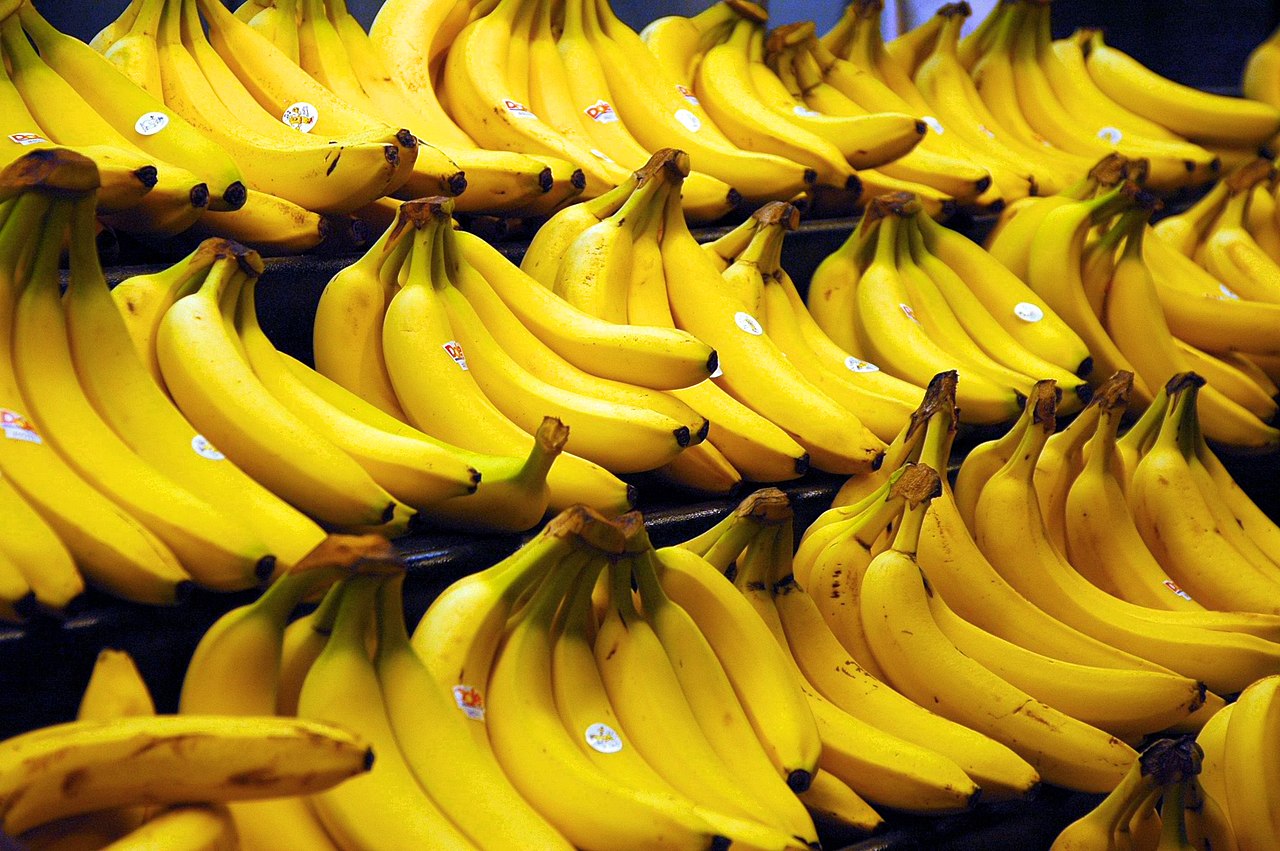

Representative examples
- Abiu
- Açaí
- Acerola
- Akebi
- Ackee
- African Cherry Orange
- American Mayapple
- Apple
- Apricot
- Araza
- Avocado
- Banana
- Bilberry
- Blackberry
- Blackcurrant
- Black sapote
- Blueberry
- Boysenberry
- Breadfruit
- Buddha's hand
- Cactus pear
- Canistel
- Cashew
- Cempedak
- Cherimoya
- Cherry
- Chico fruit
- Cloudberry
- Coco De Mer
- Coconut
- Crab apple
- Cranberry
- Currant
- Damson
- Date
- Dragonfruit
- Durian
- Egg Fruit
- Elderberry
- Feijoa
- Fig
- Finger Lime
- Goji berry
- Gooseberry
- Grape
- Raisin
- Grapefruit
- Grewia asiatica
- Guava
- Hala Fruit
- Honeyberry
- Huckleberry
- Jabuticaba
- Jackfruit
- Jambul
- Japanese plum
- Jostaberry
- Jujube
- Juniper berry
- Kaffir Lime
- Kiwano
- Kiwifruit
- Kumquat
- Lemon
- Lime
- Loganberry
- Longan
- Loquat
- Lulo
- Lychee
- Magellan Barberry
- Mamey Apple
- Mamey Sapote
- Mango
- Mangosteen
- Marionberry
- Melon
- Cantaloupe
- Galia melon
- Honeydew
- Mouse melon
- Musk melon
- Watermelon
- Miracle fruit
- Momordica fruit
- Monstera deliciosa
- Mulberry
- Nance
- Nectarine
- Orange
- Blood orange
- Clementine
- Mandarine
- Tangerine
- Papaya
- Passionfruit
This compilation is illustrative rather than exhaustive. Regional markets and botanical definitions produce many more cultivated and wild fruits; for focused information on individual items, follow the links in the list above to their entries and sources.
Questions and answers
Q: What is an abiu?
A: Abiu is a type of fruit native to tropical regions of Central and South America. It has a yellow-orange color when ripe and a sweet, custard-like flavor.
Tags
Related articles
Author
AlegsaOnline.com List of fruits (common culinary usage) Leandro Alegsa
URL: https://en.alegsaonline.com/art/124719