
Longan (Dimocarpus longan): description, uses and cultivation
Longan (Dimocarpus longan) is a tropical fruit tree in the Sapindaceae family. This article describes its botany, history, culinary uses, cultivation and distinctions from related fruits.
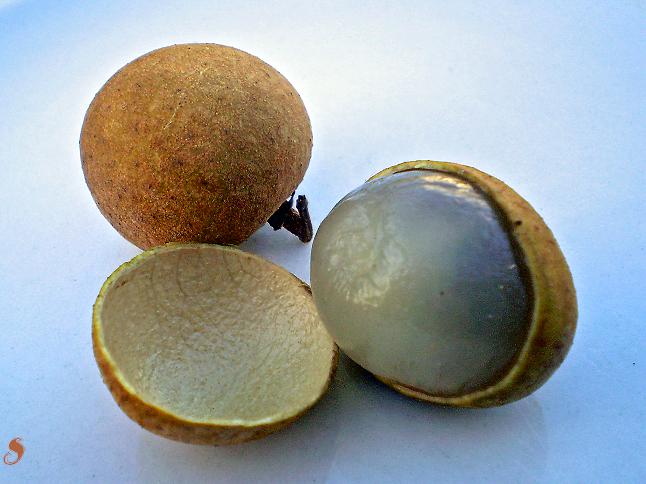
The longan (Dimocarpus longan) is a small tropical tree and its fruit, commonly eaten fresh or dried, is prized in much of East and Southeast Asia. Belonging to the soapberry family, Sapindaceae, the longan produces translucent, juicy arils that enclose a single glossy seed. In Chinese the name means "dragon's eye" because the peeled fruit resembles an eyeball: pale flesh surrounding a dark central seed.
Image gallery
9 Images


Botanical description
Longan is an evergreen tree typically reaching several meters in height. Leaves are pinnate with several pairs of leaflets. Flowers are small, pale and form in loose clusters (panicles); fruit appear in dense bunches. The edible portion is a sweet, translucent white aril that surrounds a hard, inedible seed. Fruit skin is thin and smooth, brownish when ripe.
- Family: Sapindaceae; related to lychee and rambutan.
- Fruit: 1–2.5 cm diameter, round, with a single seed.
- Growth: subtropical to tropical climates, frost-sensitive.
History and distribution
Native to southern China and parts of Southeast Asia, longan has been cultivated for centuries. Records and references to the fruit appear in Chinese texts dating back many dynasties, and it spread through regional trade routes. Commercial cultivation now occurs in China, Thailand, Vietnam, India and parts of Taiwan and is also grown on a smaller scale in warmer parts of the Americas and Oceania.
Culinary, medicinal and cultural uses
Fresh longan is eaten chilled or added to fruit salads and desserts. The fruit is also canned or dried—the dried arils are used in East Asian sweets, soups and herbal preparations. In traditional Chinese medicine dried longan is used as a tonic ingredient. Flavor is mildly sweet and less aromatic than lychee, making it versatile in both sweet and savory dishes.
- Fresh: eaten raw or in cold desserts.
- Preserved: canned in syrup, dried for long-term storage.
- Traditional uses: ingredient in soups, teas and tonics.
Cultivation, varieties and harvesting
Longan trees prefer well-drained soil and warm, humid conditions. They are propagated by seed or vegetative methods such as air-layering and grafting to preserve desirable varieties. Several cultivars exist that vary in fruit size, sweetness and harvest time; commercial orchards often select for fruit-bearing consistency and transportability. Harvest occurs when clusters reach maturity in season, and fruit are perishable unless processed.
Distinctions and notable facts
Although longan is closely related to lychee and rambutan, it is distinguishable by smoother, thinner skin and a more subtle aroma. The name "longan" is derived from its Cantonese pronunciation and the imagery of the "dragon's eye" is culturally significant in Chinese-speaking regions. In western botanical literature the fruit became more widely known around the late 18th century.
- Compared with lychee: less aromatic, thinner shell.
- Compared with rambutan: lacks the hairy exterior.
- Uses extend from fresh eating to dried and canned forms.
Further reading
- Sapindaceae family overview
- Native range and biogeography
- Relationship to lychee
- Fruit anatomy and composition
- Aril characteristics and color notes
- Seed structure and description
- Skin and shell details
- Cultural names and etymology
- Dragon's eye symbolism
- Regional language influences
- Flavor profile and culinary notes
- Cooking and recipe uses
- Nutritional overview
- Dietary fiber and composition
- Harvesting practices
- Major producing countries
- Historical records (Han dynasty and later)
- Legends and folklore
- Introduction to the Western world
- Timeline of global spread
Related articles
Author
AlegsaOnline.com Longan (Dimocarpus longan): description, uses and cultivation Leandro Alegsa
URL: https://en.alegsaonline.com/art/59113
Sources
- healthline.com : "Longan Fruit vs. Lychee: Which Fruit Is Better?"
- huffingtonpost.com : "What Is the Difference Between the Lychee, Rambutan and Longan?"
- foodfacts.mercola.com : "What Is Longan Good For?"
- mdidea.com : "Historical Retrospective of Longan and Legends of Longan"