
Rambutan (Nephelium lappaceum): tropical fruit tree and its fruit
Rambutan is a tropical tree native to Southeast Asia, known for its hairy red rind and sweet translucent flesh. This article covers appearance, origin, cultivation, uses, varieties, and comparison with related fruits.
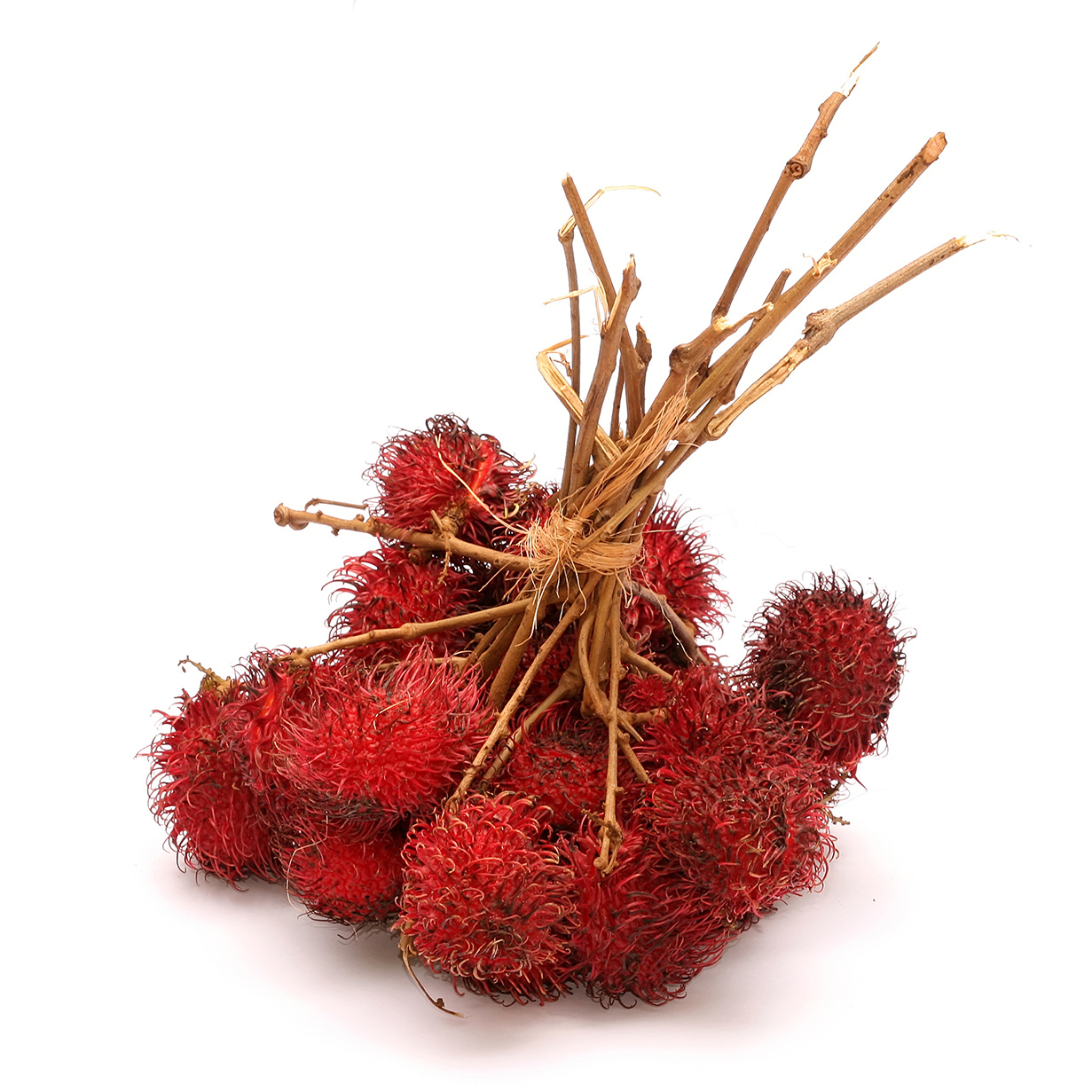
Rambutan (Nephelium lappaceum) is an evergreen tropical tree and the common name of its edible fruit. The species belongs to the soapberry family (Sapindaceae), which also includes lychee and longan. The name "rambutan" comes from a Malay word meaning "hairy", a reference to the soft, spine‑like protuberances that give the fruit its characteristic appearance. The edible portion is a translucent, juicy aril that surrounds a single seed and is prized for a sweet, mildly acidic flavor and a texture similar to other soapberries.
Image gallery
10 Images




Appearance and botanical features
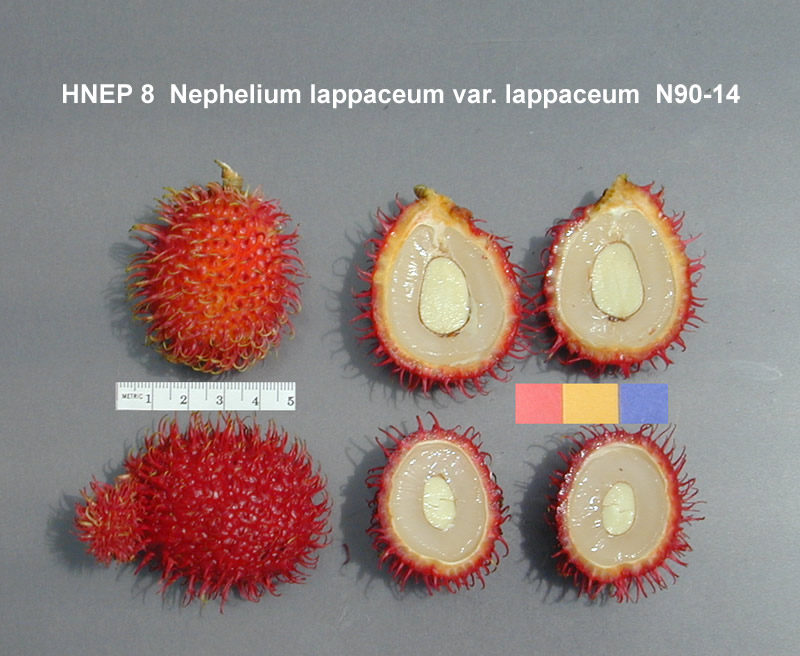
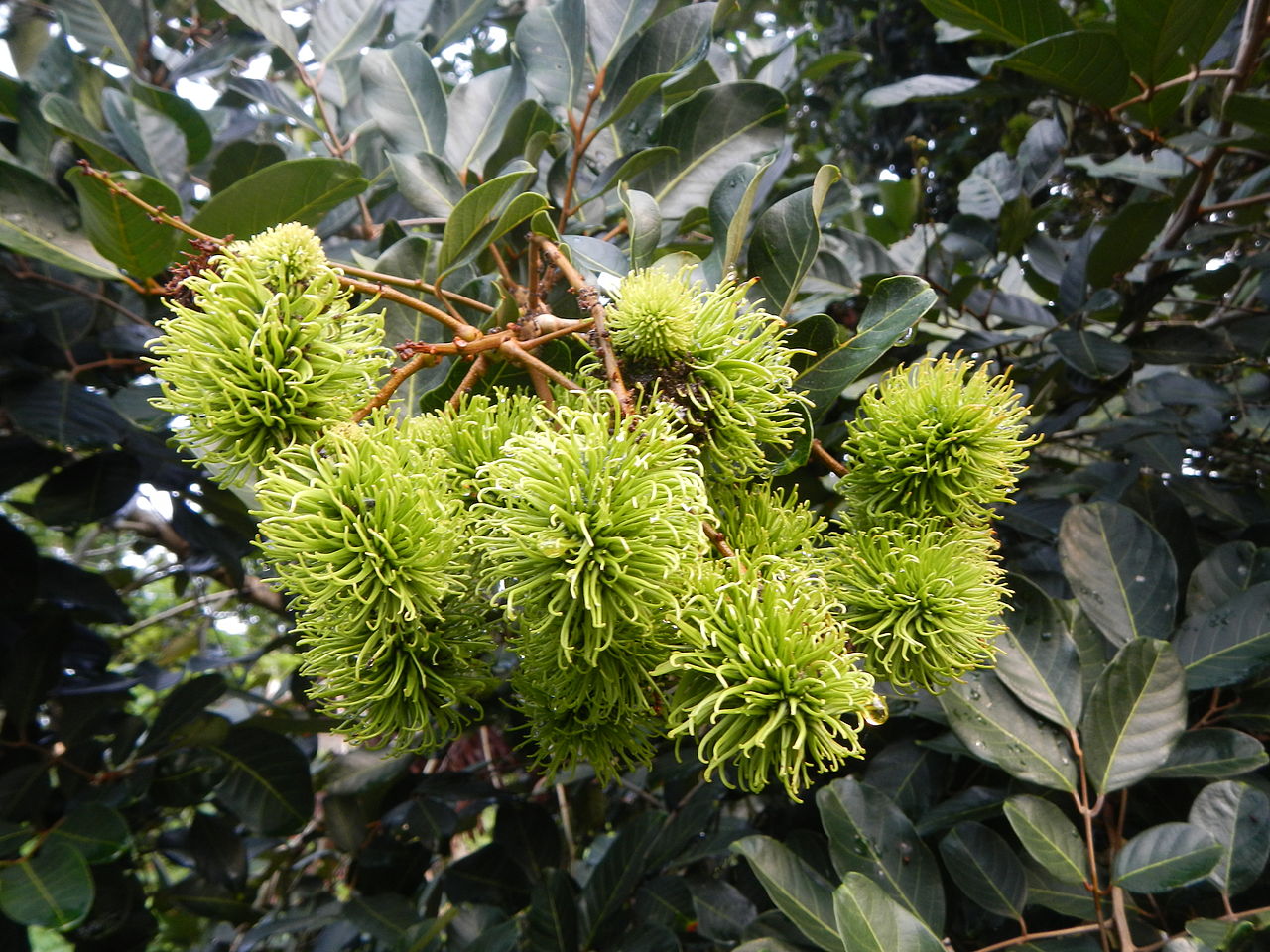
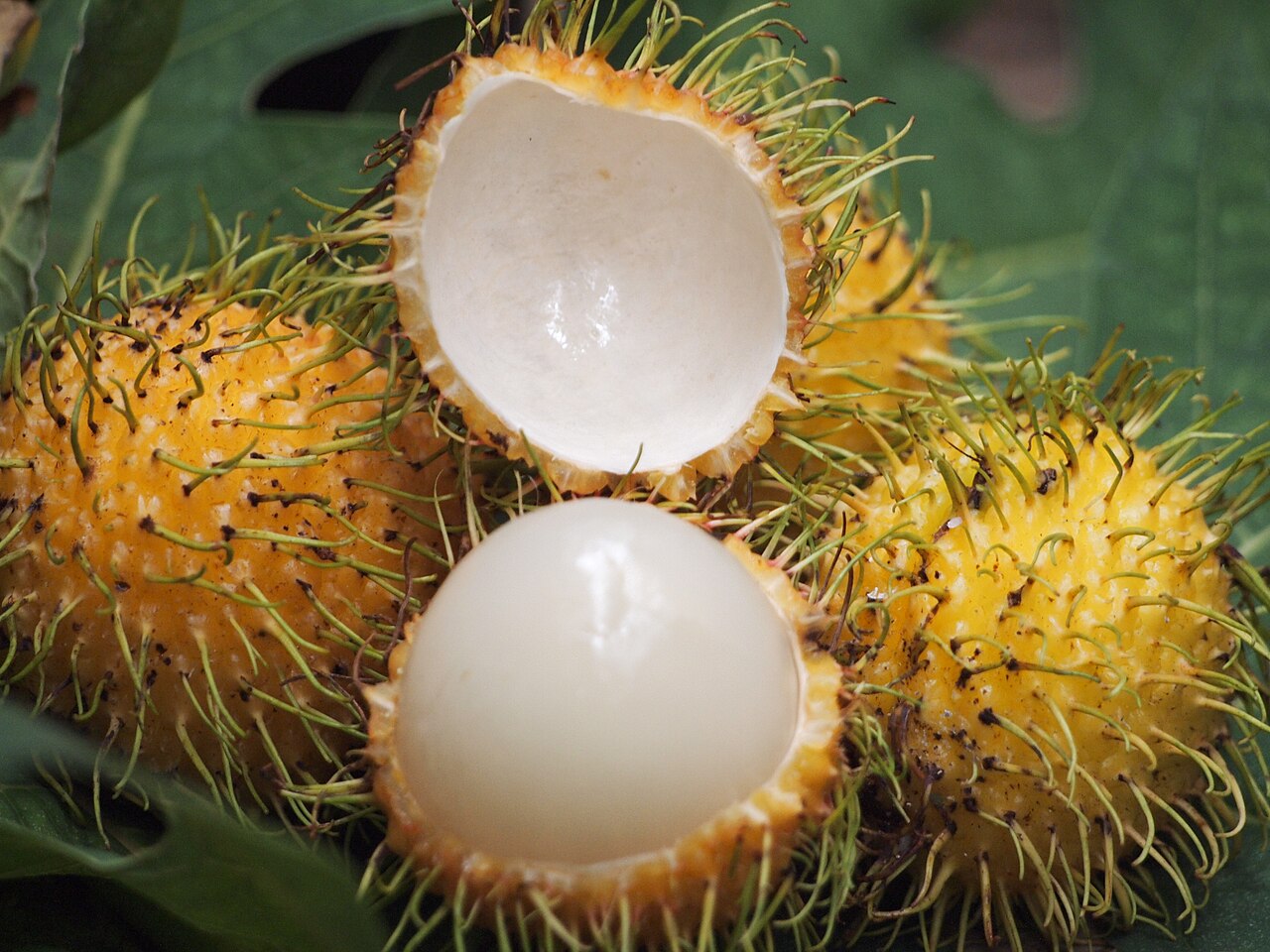
Rambutan trees are small to medium in stature with glossy pinnate leaves and clusters of small flowers that develop into groups of fruit. Individual fruits are roughly the size of a plum, with a leathery rind covered in hair‑like spines that become more flexible when ripe. Fruit color varies by cultivar, ranging from green or yellow in unripe stages to red, orange, or deep maroon at maturity. The aril inside is white to pale pink, sometimes clinging to the seed; in some varieties the aril is thick and separates easily, while in others it is thinner and adheres closely to the seed.
Origin and distribution
Rambutan is native to maritime Southeast Asia and has a long history of cultivation across the region. It is widely associated with countries such as Indonesia, Malaysia, Thailand, Vietnam and the Philippines. The tree thrives in warm, humid, frost‑free climates and has been introduced to other tropical areas, including parts of South Asia such as Sri Lanka, and to tropical regions of the Americas and Africa where conditions permit. As a native component of Southeast Asia's orchard flora, rambutan contributes to local diets and agricultural diversity.
Cultivation and propagation
Rambutan is typically grown from seed for rootstock or from grafting and budding to propagate specific cultivars. Trees require well‑drained, fertile soils and regular rainfall or irrigation; they perform poorly in areas with frost or extended dry seasons. Flowering and fruiting depend on local climate patterns, and managed orchards use pruning, fertilization and pest control to maintain productivity. Harvesting is usually manual, with fruit picked when rind color indicates maturity.
Uses and culinary notes
The most common use of rambutan is fresh consumption: the rind is opened to reveal the aril, which is eaten raw. Fruit may be canned in syrup, preserved as jams or jellies, or incorporated into desserts and fruit salads. In some culinary traditions rambutan complements savory dishes or is used in confectionery and beverages. The seed is generally discarded raw because it can be bitter, though in some regions it is roasted or processed for other uses.
Varieties and comparison with related fruits
Numerous local cultivars are selected for rind color, aril thickness and sweetness, seed size and fruiting season. Rambutan is often compared with lychee and longan; all share similar arils but differ in rind texture, flavor subtleties and seed‑aril attachment. The hairy exterior of rambutan is its most distinctive feature compared with the bumpy rind of lychee and the smooth shell of longan.
Pests, diseases and storage
Like other tropical fruit trees, rambutan can be affected by insect pests, fungal diseases and fruit‑boring organisms. Good orchard hygiene, monitoring and region‑appropriate pest management help maintain yields. Postharvest handling focuses on gentle transport and cool storage to slow deterioration; fruit is relatively perishable and is best consumed soon after harvest or processed for longer preservation.
Cultural and economic importance
Rambutan has local cultural significance in many producing regions and contributes to smallholder and commercial agriculture where it is grown. It appears in regional markets, fresh‑fruit trade and processed fruit industries. Demand varies seasonally and with consumer familiarity in non‑producing countries, where rambutan is often sold as an exotic specialty item during import seasons.
Further reading and resources
- General botanical overview and tree description
- Regional flora and distribution in Southeast Asia
- Comparative information on lychee and related Sapindaceae
- Cultivation and cultural history in Indonesia
- Agricultural guidance and markets in Malaysia
- Production notes and varieties in Thailand
- Horticultural resources relevant to Vietnam
- Philippine reports and local uses
- Broader Southeast Asian tropical fruit resources
- Cultivation and introduction in Sri Lanka
For practical cultivation advice consult regional agricultural extension services or horticultural guides. Botanical texts and fruit‑production manuals provide more detailed information on propagation methods, cultivar selection and integrated pest management for rambutan.
Related articles
Author
AlegsaOnline.com Rambutan (Nephelium lappaceum): tropical fruit tree and its fruit Leandro Alegsa
URL: https://en.alegsaonline.com/art/81022
Sources
- iucnredlist.org : Nephelium lappaceum
- rambutan.com : "The Rambutan Information Website"