
Clementine (citrus fruit)
Small, sweet, easy‑peel citrus fruit often marketed as seedless; popular in winter, with origins linked to North Africa and a late 19th–early 20th century French missionary.

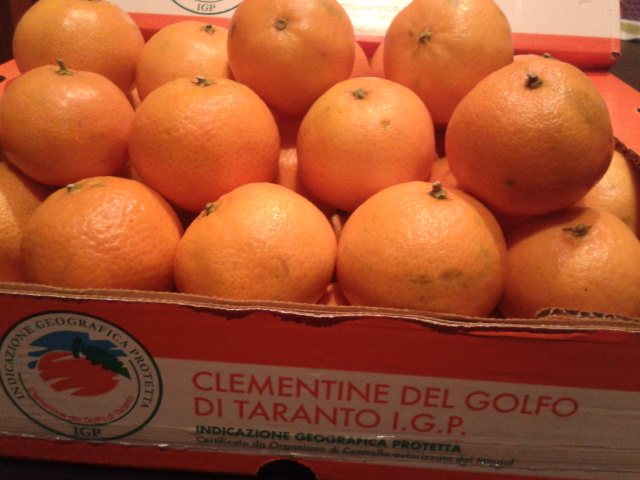
The clementine is a small citrus fruit in the mandarin group, prized for its glossy orange skin, sweet flavor and unusually easy peeling. Often sold as a convenient, snackable fruit, clementines are typically available in the cooler months in temperate markets and have become a familiar winter fruit in many countries. They are commonly described as having few or no seeds and a tender, segmented interior that separates cleanly from the pith.
Image gallery
5 Images


Key characteristics
Clementines are compact compared with many other citrus types and usually fit comfortably in the palm. Their thin rind peels away with minimal effort, which makes them popular for children and for use in packed lunches. While many commercial clementines are seedless or nearly seedless, seed content can vary with cultivation and whether the fruit has been cross‑pollinated; some examples therefore contain a few seeds. The flavor tends toward a bright, sweet mandarin profile with low acidity.
Origins and development
The fruit is associated with North Africa and the Mediterranean and is linked historically to work by a French missionary, Père Clément Rodier, in what is now Algeria in the late 19th or early 20th century. Accounts differ: some describe a chance seedling or mutation he noticed, while others say it resulted from deliberate crossing of mandarin relatives and bitter oranges. The exact botanical ancestry has been debated, but clementines are generally treated as a type or cultivar within mandarin-like citrus.
Production, season and commerce
Clementines are grown in a range of warm, Mediterranean‑climate regions including parts of North Africa, Spain and California, and they are shipped to markets around the world. In the United States they are widely available from late autumn into winter. Commercial packaging emphasizes convenience and uniform appearance; some retailers and producers market clementines under familiar brand names. Short-term shifts in supply of other citrus varieties have historically boosted clementine sales during some seasons.
Uses and culinary notes
Clementines are most often eaten fresh, out of hand, but they are also used in fruit salads, desserts, sauces, glazes and some savory dishes where a sweet citrus note is desired. Their juice is pleasant but modest in volume compared with larger oranges. The peel is sometimes zested for flavoring or candied. Because of their convenience, clementines are popular as a portable snack and in ready-to-eat produce assortments.
Nutrition and selection
- Nutrition: Like other citrus, clementines provide hydration and are a notable source of vitamin C and dietary fiber when eaten whole; they are relatively low in calories.
- Selection and storage: Choose fruits that feel heavy for their size with smooth, brightly colored skin; avoid shriveled or very soft specimens. They keep best refrigerated for several days but are commonly stored at cool room temperature for short-term use.
Related fruits and terminology
Clementines belong to the broader group of mandarins, which also includes tangerines and satsumas. The names and classifications used for these small, sweet citrus types overlap in commerce and horticulture. When researching or buying fruit, note that "clementine" may be used alongside other trade names and that seed content, sweetness and peelability can vary by cultivar and growing conditions.
Further reading and resources can be found via general horticultural guides and citrus specialty sources. For specific points about seedlessness, regional growing areas, historical accounts and botanical classification, see links to seed and cultivation resources: seed characteristics, California production, Florida citrus context, mandarin group and hybrid origin theories.
Related articles
Author
AlegsaOnline.com Clementine (citrus fruit) Leandro Alegsa
URL: https://en.alegsaonline.com/art/20915