
Mangosteen (Garcinia mangostana): tropical fruit, cultivation and uses
Mangosteen (Garcinia mangostana) is a purple-skinned tropical fruit from Southeast Asian rainforests. Prized for its sweet, tangy white arils, it is eaten fresh, used in desserts and valued in traditional remedies.
Overview
The mangosteen (Garcinia mangostana) is a small tropical fruit tree and its fruit, often called the purple mangosteen. Native to the humid forests of Southeast Asia, the tree produces round, purple fruits with a thick rind and fragrant white segments inside. The fruit is widely appreciated for its delicate balance of sweetness and acidity and is commonly consumed fresh where it grows or exported as a specialty fruit. For more general context see tropical fruit resources.
Image gallery
8 Images


Appearance and structure
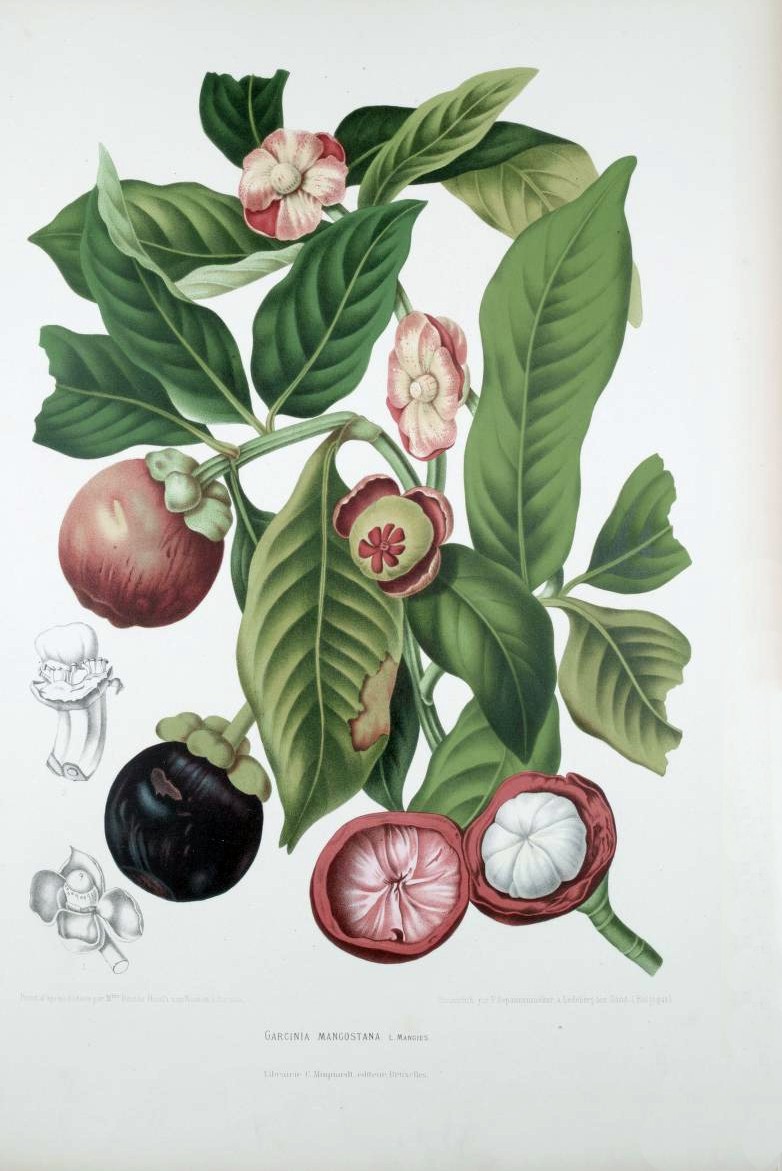
Externally, ripe mangosteens are deep purple with a firm, leathery pericarp. Inside, the edible portion forms several soft, snow-white segments (arils) that resemble the sections of an orange. The number of segments typically corresponds to the number of carpels in the flower. The aroma is floral and the flesh is juicy; some segments may contain seeds. The rind contains bitter compounds and a range of pigments and chemical constituents that have attracted research interest.
Cultivation and growth requirements
Mangosteen is a tropical evergreen adapted to warm, humid conditions and deep, well-drained soils. It is sensitive to cold and does not tolerate frost, suffering damage when temperatures fall below about 4 °C (40 °F). Trees are usually propagated from seed in traditional agriculture, though grafting and nursery techniques exist. Growth is relatively slow and the tree may take several years to begin fruiting. Successful cultivation relies on consistent moisture, shelter from strong wind, and protection from prolonged dry spells.
History and distribution
The species has long been associated with the rainforests of maritime Southeast Asia and has been cultivated for centuries across the region. It spread through local trade and later international exchange, becoming especially associated with countries such as Indonesia, Malaysia and Thailand. The fruit's reputation as a delicacy led to limited commercial export, but its delicate nature and short shelf life restrict widespread distribution.
Uses, culinary role and traditional uses
Fresh mangosteen is most commonly eaten raw, peeled and separated into segments. It is also used in preserves, sherbets and other desserts, as well as in beverages in regions where it is produced. In traditional medicine, parts of the tree and rind have been used for a variety of local remedies; modern scientific study has investigated some of the rind's chemical constituents but clinical evidence for health claims is limited. As with many traditional products, any therapeutic claims should be treated cautiously.
Notable facts and distinctions
- Mangosteen is sometimes called the "queen of fruits" in popular marketing, reflecting its high esteem in parts of Asia.
- The fruit's sensitivity to handling and temperature contributes to its premium pricing in international markets.
- Wild and cultivated populations are concentrated in tropical rainforests; for habitat and conservation context see local rainforests information.
Because of its particular growing needs and fragile fruit, mangosteen remains primarily a regional specialty where climatic conditions permit, admired for its distinctive flavor and attractive appearance.
Related articles
Author
AlegsaOnline.com Mangosteen (Garcinia mangostana): tropical fruit, cultivation and uses Leandro Alegsa
URL: https://en.alegsaonline.com/art/125764