
Bilberry (Vaccinium myrtillus): description, habitat, uses and distinctions
Bilberry (Vaccinium myrtillus) is a small, dark-blue fruit of a low-growing European shrub. This article summarizes its botany, differences from similar berries, habitat, culinary uses, ecology and cultural names.
The bilberry is the edible fruit of a small, low-growing shrub in the heath family. Botanically known as Vaccinium myrtillus, the plant is typically a low-growing shrub that grows close to the ground in cool, acidic soils and open heathland. It belongs to the genus Vaccinium and is often discussed alongside related species within the same group.
Image gallery
10 Images
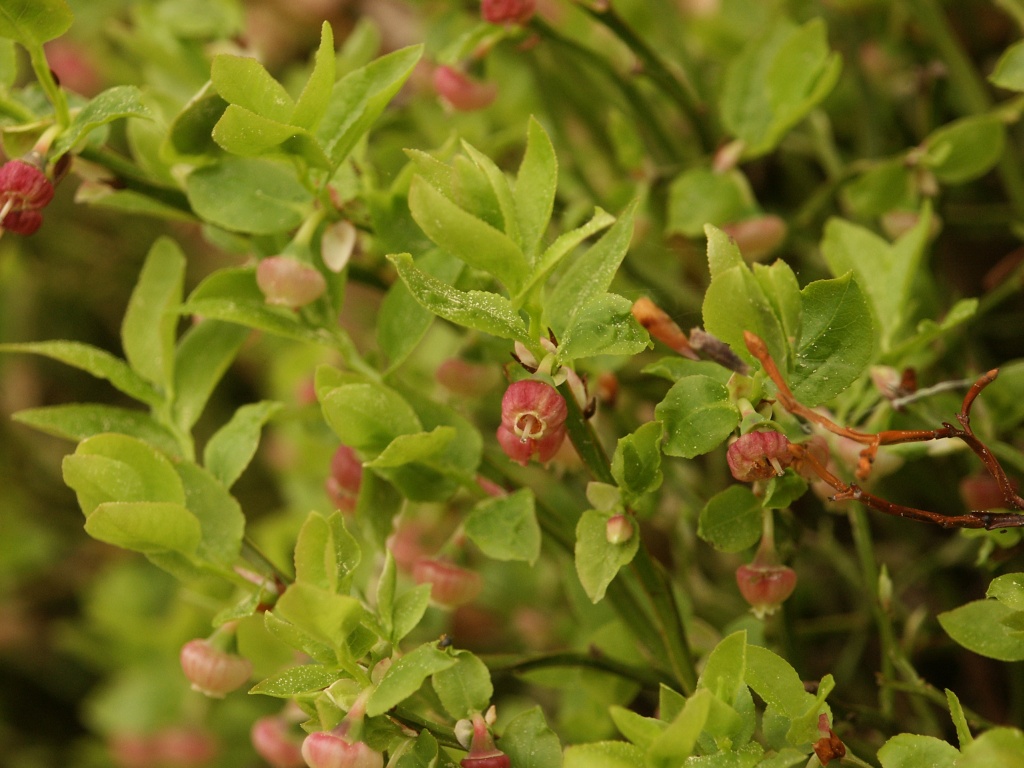


Appearance and botanical characteristics
Bilberries are small, rounded berries with a dark blue to almost black skin and a reddish-purple interior that stains readily. The shrub commonly remains low to the ground, with simple oval leaves and pendulous, bell-shaped flowers typical of the genus. Fruits are usually produced singly or in very small clusters rather than the larger clusters seen in some cultivated blueberries.
Distribution and habitat
The species is native to much of northern and temperate Europe and parts of neighboring regions. By contrast, many cultivated blueberries and several huckleberry species are native to North America. While closely related, bilberry occupies cooler, often upland or montane habitats and favours acidic, well-drained soils.
Relation to other berries
Bilberry is closely related to the common cultivated blueberry and to various huckleberry species. All are members of the genus Vaccinium, but they differ in growth habit, fruit size and how fruits are borne on the plant. Cultivated blueberries are generally bred for larger fruit and for clustering, while wild bilberries remain small and intensely flavored.
Names, culture and history
The bilberry has many vernacular names including blaeberry, whortleberry, whinberry, myrtle blueberry and fraughan. It also appears in literature and local tradition; for example, the novelist Thomas Hardy referenced local rural names in his works and in The Return of the Native a local colloquialism used in southern England is recorded. These names reflect long-standing foraging and culinary habits across its native range.
Uses: culinary and traditional
Bilberries are eaten fresh where available and are commonly used in jams, pies, sauces and preserves, prized for a concentrated, tangy flavor. They are also used in traditional preparations such as compotes and in some fermented beverages. Folk medicine has sometimes emphasized their dark pigments (anthocyanins), but modern clinical evidence for health claims is limited and should be described cautiously.
Ecology, foraging and cultivation
Bilberry is an important wild fruit in many upland ecosystems, providing food for birds and mammals and contributing to understory diversity. Unlike many blueberries, bilberry is predominantly wild-harvested; large-scale cultivation is less common, although some efforts exist to manage or cultivate Vaccinium species locally. Foragers should follow local regulations and sustainable picking practices to avoid overharvesting.
Identification tips and similar species
- Check fruit: bilberries are dark inside as well as out, with staining juice.
- Growth habit: low, often forming patches rather than upright bushes.
- Flowers: small, urn-shaped and pendulous, typical of Vaccinium species.
Conservation and management
Populations can be affected by habitat change, overharvest and competition from invasive plants in some areas. Conservation focuses on protecting heathland and woodland habitats and encouraging sustainable foraging and responsible land management.
For further general information and regional details, consult authoritative botanical guides and local conservation resources.
Related articles
Author
AlegsaOnline.com Bilberry (Vaccinium myrtillus): description, habitat, uses and distinctions Leandro Alegsa
URL: https://en.alegsaonline.com/art/11424