
Jackfruit (Artocarpus heterophyllus): overview, uses, cultivation and facts
Jackfruit is a large tropical fruit valued for its size, versatility and nutrition. This article explains its botany, history, culinary uses (ripe and unripe), cultivation, and notable facts.
Overview
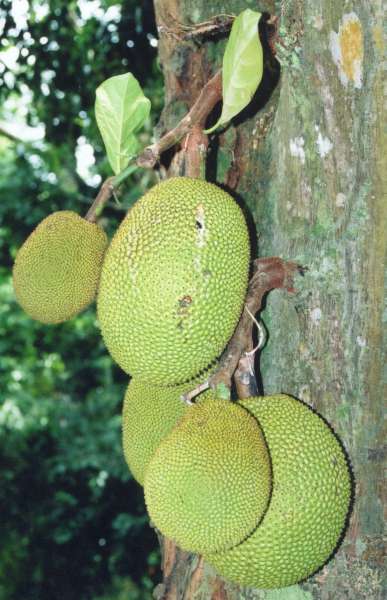
Jackfruit is a large tropical fruit produced by the tree Artocarpus heterophyllus, a member of the mulberry family (Moraceae). Native to parts of South and Southeast Asia, the tree bears heavy, bumpy-skinned fruits that can be eaten ripe for their sweet flesh or harvested unripe as a starchy vegetable. The flesh develops distinctive pods (bulbs) around seeds enclosed in a fibrous core.
Image gallery
10 Images



Characteristics and varieties
Jackfruits vary in size and texture: some cultivars yield soft, fragrant bulbs while others are firmer and less sweet. The exterior is commonly green when immature and turns toward brownish or slightly yellow as it ripens; the surface hides numerous coarse, pointed bumps. Each fruit contains many large seeds that are edible after boiling or roasting. Handling the fruit can be messy because the tree and fruit exude a sticky latex.
History and cultivation
The species originated in parts of the Indian subcontinent and has long been cultivated across tropical Asia. It is culturally and economically important in regions of India, Bangladesh and Sri Lanka, and it has been spread to other tropical areas worldwide. Jackfruit trees prefer warm, humid climates, well-drained soils and can be propagated by seed or vegetative methods to preserve desirable traits.
Uses and culinary examples
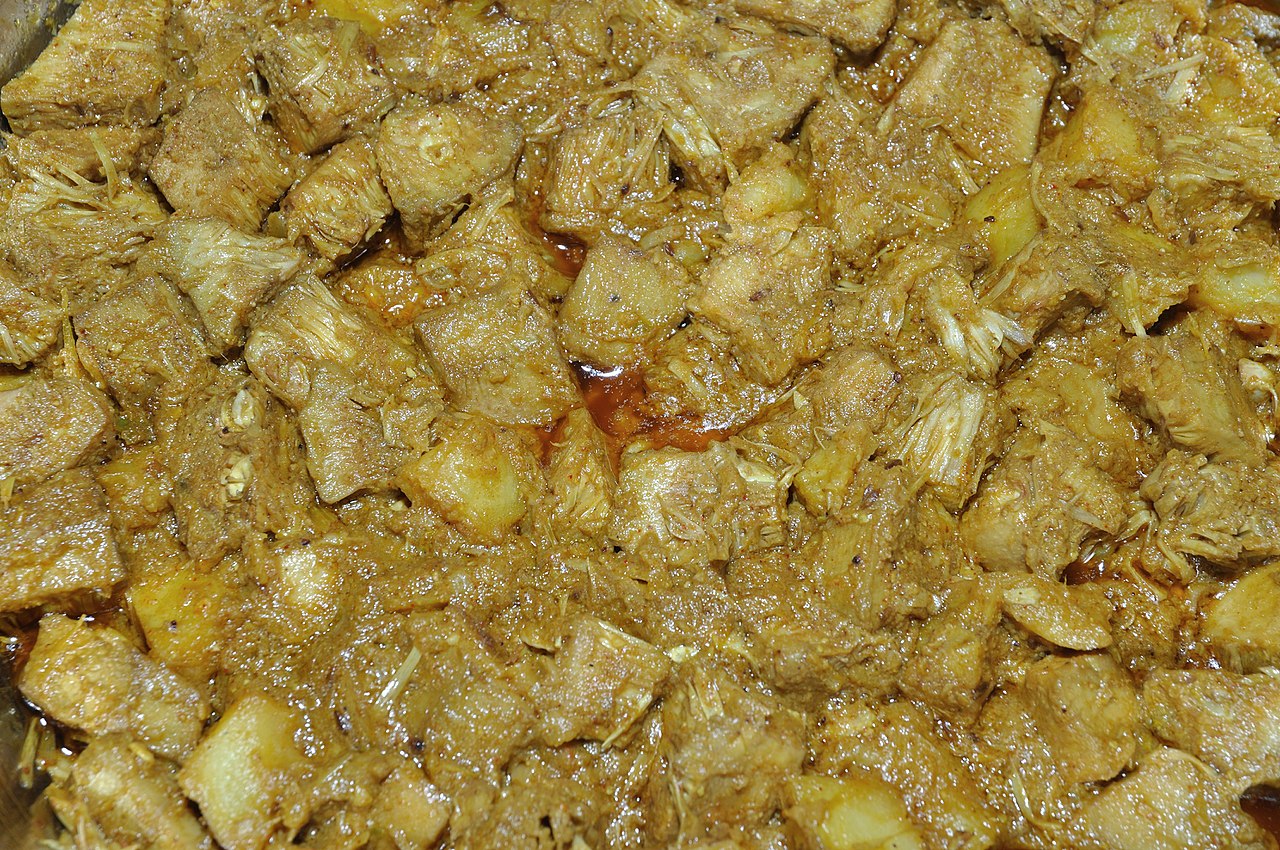
Ripe jackfruit is sweet and aromatic and is eaten fresh or used in desserts, jams and beverages. Unripe jackfruit has a neutral, fibrous texture that makes it useful as a meat substitute in savory dishes, curries and sandwiches; its ability to shred mimics pulled meat in vegetarian cooking. The seeds are commonly boiled, roasted or ground into flour.
Nutritional and economic importance
Jackfruit provides carbohydrates, dietary fiber, and modest amounts of vitamins and minerals, including vitamin C and potassium. It is an inexpensive, calorie-dense food in many producing countries and supports smallholder farmers and local markets. Industrial processing yields canned fruit, frozen products and canned seeds for broader distribution.
Notable facts and distinctions
- Jackfruit is among the largest tree-borne fruits and can weigh tens of kilograms at maturity.
- It is related to breadfruit and figs but is a distinct species within Artocarpus.
- The fruit’s latex and strong aroma can make handling and transport challenging.
- Appearance changes from green to a more yellowish brown as it ripens.
For practical guidance on selecting, preparing and storing jackfruit, consult regional agricultural resources or culinary guides tailored to local varieties and recipes.
Related articles
Author
AlegsaOnline.com Jackfruit (Artocarpus heterophyllus): overview, uses, cultivation and facts Leandro Alegsa
URL: https://en.alegsaonline.com/art/48935
Sources
- hort.purdue.edu : "Jackfruit"