
Lime (fruit): varieties, uses, history, and characteristics
Lime is a green citrus fruit used worldwide for cooking, beverages, oils and cleaning. This article covers major varieties, history, culinary and industrial uses, cultivation, nutrition and notable facts.
Overview
Lime refers both to the small green citrus fruit and to various trees that produce that fruit. The common name "lime" is applied to fruits from several species and hybrids within the citrus group rather than to a single botanical species. Limes are prized for their tart, fragrant juice and zest. For general information on tree forms and horticulture see citrus tree descriptions and for broad family-level references consult citrus resources.
Image gallery
5 Images

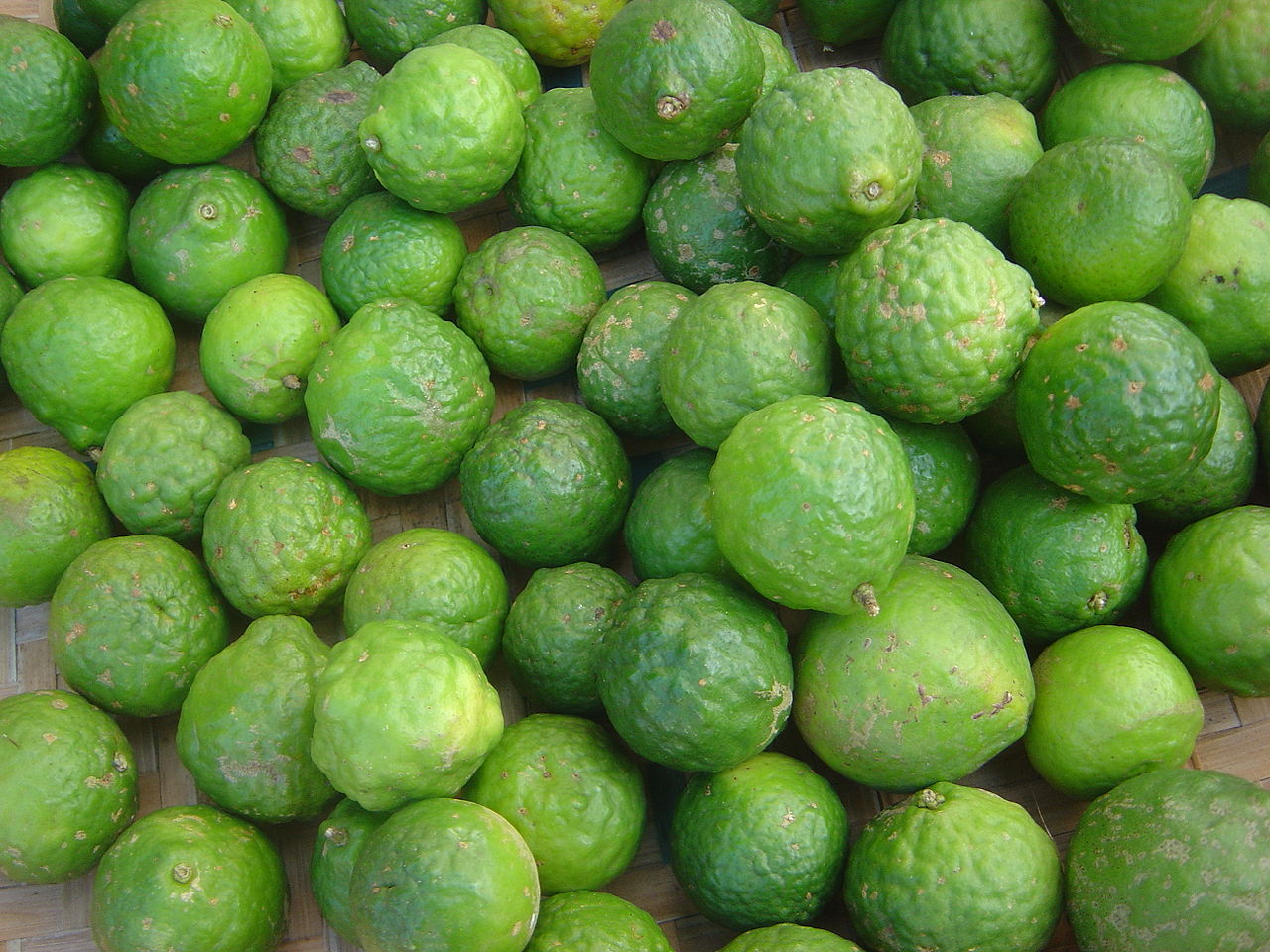
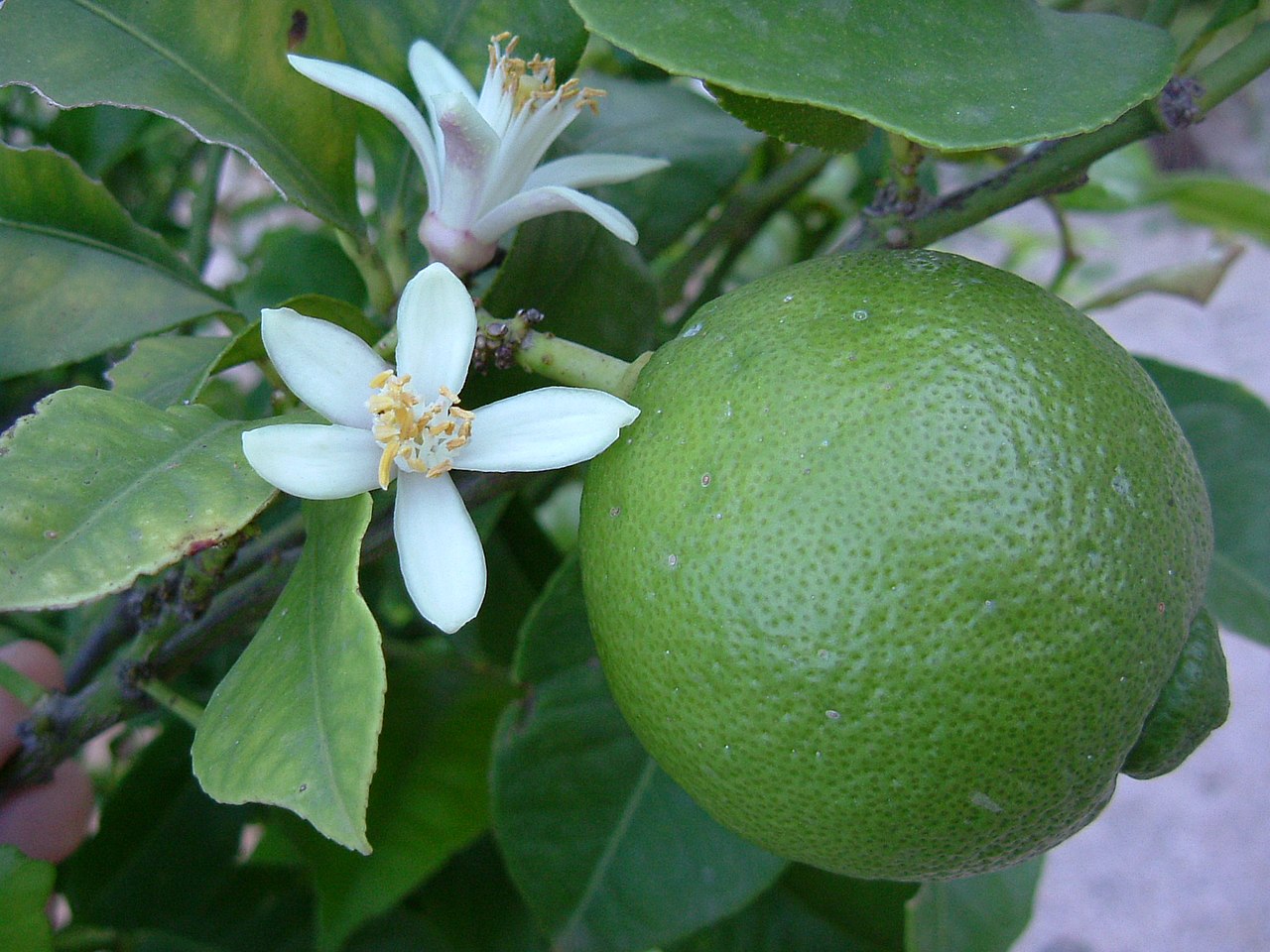

Botany and taxonomy
Taxonomy of citrus is complex because many cultivated forms are hybrids and selections. Well-known fruits called limes include several taxa: the Key lime (Citrus aurantiifolia), the Persian or Tahiti lime (often listed as Citrus × latifolia or similar hybrids), the kaffir lime (Citrus hystrix or related names), and the desert lime (Citrus glauca). Botanists and growers emphasize cultivar names and parentage rather than a single species for the common name "lime".
Description and physical characteristics
Limes are typically small to medium sized, round to elliptical, with a thin, aromatic rind. Most commercial limes are harvested while green; some types will turn yellow if left on the tree and then resemble small lemons. The flesh contains juice vesicles rich in citric acid, which gives limes their sharp taste. The rind contains essential oils that contribute to aroma and culinary uses.
Major varieties
- Key lime (Citrus aurantiifolia): smaller, very aromatic and tart; used in desserts such as Key lime pie and in regional cuisines — see Key lime details.
- Persian (Tahiti) lime: larger, relatively seedless and less aromatic than the Key lime; common in commercial trade and supermarkets — see Persian lime.
- Kaffir lime (Citrus hystrix): notable for its bumpy rind and distinctive double leaves, which are used as an aromatic herb in Southeast Asian cooking — more at Kaffir lime notes.
- Desert lime (Citrus glauca): native to arid regions and used locally in food and breeding programs.
Nutritional highlights
Limes are a dietary source of vitamin C and other micronutrients found in citrus fruits. The vitamin C content and acidic juice supported historical uses in preventing deficiency diseases; for information on the nutrient see vitamin C information. As with most citrus, limes are low in calories and provide small amounts of fiber and minerals when consumed whole.
History and cultural background
Citrus plants originated in tropical and subtropical parts of Asia and spread through trade and cultivation. European sailors and navies began issuing lemon or lime juice to crews to prevent scurvy, a vitamin C deficiency; historical provisioning and maritime health practices are discussed in various summaries (sailor provisioning, scurvy prevention). The association between British sailors and lime rations contributed to the colloquial nickname "Limey" in some English-language sources (the nickname explained).
Culinary uses
Limes are used worldwide in cooking and beverages. Juice, zest and whole slices are common ingredients. Typical culinary roles include:
- Flavoring and finishing: added to salads, fish dishes, salsas and sauces to add bright acidity.
- Marinades and tenderizers: the acid in lime juice helps break down proteins in some preparations.
- Beverages: classic cocktails and nonalcoholic drinks such as margaritas, mojitos and limeade frequently rely on lime; lime is also a common garnish for soft drinks and mixed drinks.
- Confectionery and desserts: key lime pie and other desserts highlight lime's aromatic character.
Non-culinary uses
Essential oils and extracts from lime peel are used in perfumery, cleaning products and traditional aromatherapy. These oils provide a bright, citrusy scent valued in fragrances and household formulations; further reading on aromatic practices appears at aromatherapy resources. In some regions, lime leaves and peels are also used in folk remedies or as natural insect-repellent elements.
Cultivation and harvest
Lime trees are grown in tropical and subtropical climates. Commercial production often uses grafting to reproduce preferred cultivars, and selections emphasize seedlessness, shelf life and oil content. Harvest timing affects flavor and color: many limes are picked green for market but may fully ripen on the tree and change color. Postharvest handling typically includes cooling and sometimes waxing to prolong shelf life; refrigeration slows moisture loss and preserves quality for domestic use.
Pests, diseases and challenges
Citrus crops, including limes, face pests such as aphids, scale insects and mites, and diseases like citrus canker and huanglongbing (citrus greening), which are major concerns in commercial production. Growers use integrated pest management, resistant rootstocks, and quarantine measures to limit spread. Sustainable cultural practices and monitoring help reduce losses.
Commerce, storage and substitutes
Persian/Tahiti limes dominate many supermarket markets because of their size and seedlessness, while specialty markets supply Key limes and other aromatic types. Whole limes should be stored refrigerated to extend shelf life; lime juice can be frozen or preserved, and zest is best used fresh or dried and stored in airtight containers. Lemon juice or other citrus juices can sometimes serve as substitutes in recipes when lime is unavailable, but aromatic differences mean the result may change.
Notable facts and further reading
Because "lime" covers several botanical forms, it is helpful to note the specific variety when discussing flavor, uses or cultivation. For additional botanical context and tree identification consult general references at citrus tree resources and other family overviews at citrus family. For cultural, historical and health-related perspectives see the sources on provisioning and scurvy prevention (sailor provisioning, scurvy prevention) and materials on aromatic uses (aromatherapy resources). Detailed entries on specific varieties are available for the Key lime (Key lime), Persian lime (Persian lime) and kaffir lime (Kaffir lime), and broader fruit comparisons note the relation to lemons and other acid fruits (comparison with lemons).
Related articles
Author
AlegsaOnline.com Lime (fruit): varieties, uses, history, and characteristics Leandro Alegsa
URL: https://en.alegsaonline.com/art/58075