
Damson (plum): characteristics, history and culinary uses
Damson is a small, tart European plum variety used for jams, jellies and liqueurs. It belongs to the Rosaceae family and is valued for firm flesh, deep color, and high pectin content.
The damson is a distinct type of plum prized for its compact size, deep-colored skin and tart flavor. Often appearing as small, oval fruits with a blue-black bloom, damsons are less sweet than many dessert plums and are most commonly used where cooking or preservation is required. They belong to the broader group of European plums and are valued for their firm flesh and attractive color when cooked.
Image gallery
5 Images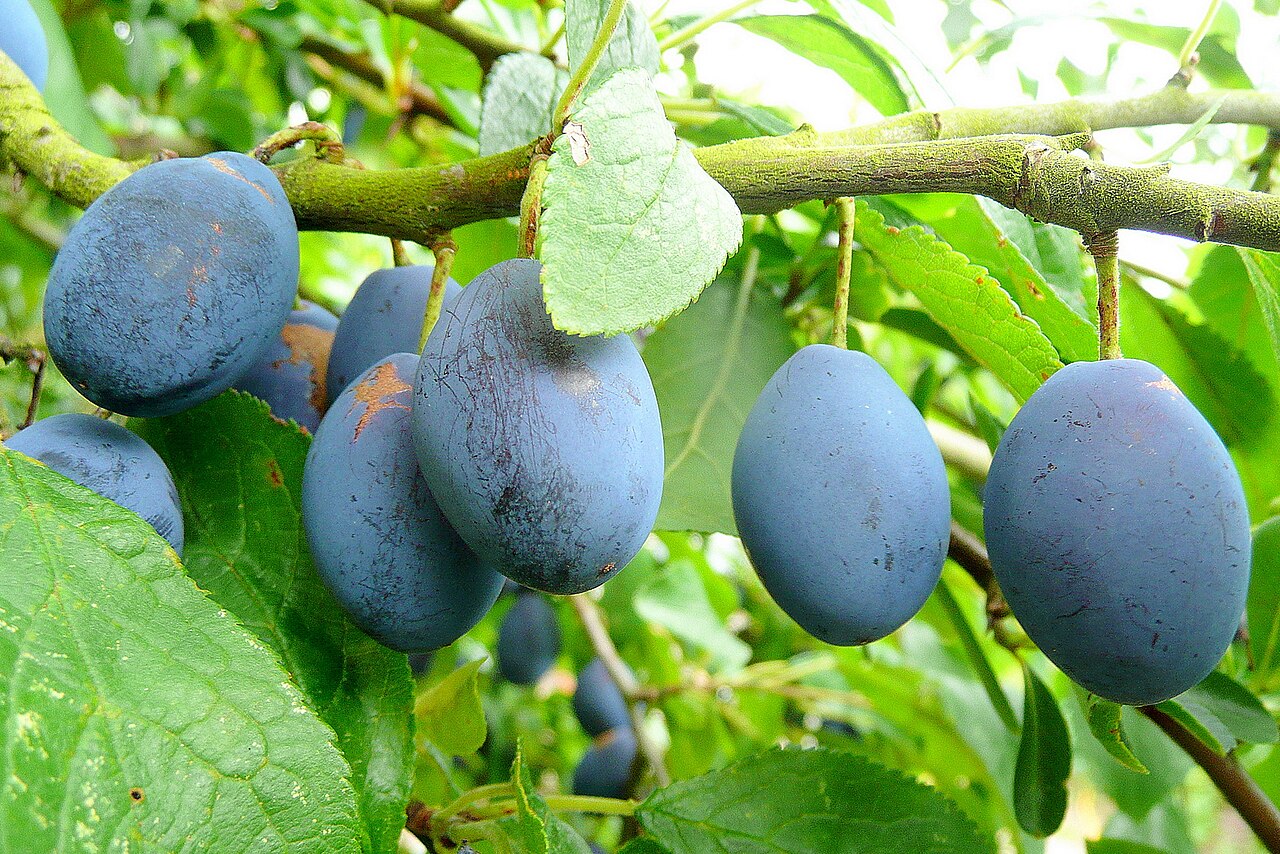


Botanical identity and appearance
Damsons grow on deciduous trees or large shrubs within the Rosaceae family; see Rosaceae for family-level context. Trees are generally hardy and compact, producing white blossoms in spring followed by fruit in late summer or early autumn. The flesh tends to be dense and cling tightly to the stone, which distinguishes many damson cultivars from freestone plums. Skin color ranges from dark purple to almost black when ripe, and the fruit often carries a powdery surface bloom.
Origins and historical notes
Native to regions around the Mediterranean and western Asia, damsons have been cultivated for centuries and were carried into northern Europe by trade and migration. The common English name is thought to derive from a form of "damascene," a reference to connections with Damascus or the broader Levant in medieval commerce. Over time, damsons became established in gardens and orchards across Europe for home use and small-scale processing.
Uses and culinary importance
Because damsons are tart and rich in natural pectin, they are especially well suited to preserves and cooked preparations. Typical uses include:
- Jams, jellies and conserves — excellent set and deep color.
- Chutneys and sauces that pair with meats and cheeses.
- Liqueurs and infused spirits — such as homemade fruit liqueurs and brandies.
- Baked goods and tarts where their sharpness balances sugar.
Home cooks and artisan producers often favor damsons for their reliable texture after cooking and their pronounced flavor, which can stand up to sugar and alcohol in preserves.
Distinctions and notable facts
Damsons are commonly grouped with other European plum types such as greengage and mirabelle, but they are set apart by their tartness, smaller size and high pectin level. Unlike many modern dessert plums bred for sweetness and large fruit, damsons remain popular where culinary uses prevail. They also have a reputation for being forgiving trees in cooler climates, making them a traditional choice in temperate gardens.
For further reading on plums, cultivation tips and recipes using damsons, consult regional fruit-growing guides and recipe collections: origin and cultivation, recipes and preserves.
Related articles
Author
AlegsaOnline.com Damson (plum): characteristics, history and culinary uses Leandro Alegsa
URL: https://en.alegsaonline.com/art/25295