
Apple (Malus): fruit, tree, cultivation, uses, and global importance
Overview of the apple: botanical identity, characteristics, origins, cultivation methods, pests and diseases, uses in food and industry, and its cultural and economic significance worldwide.
Overview
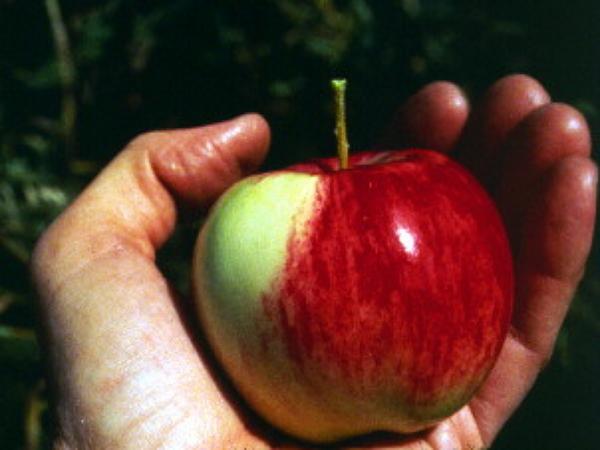
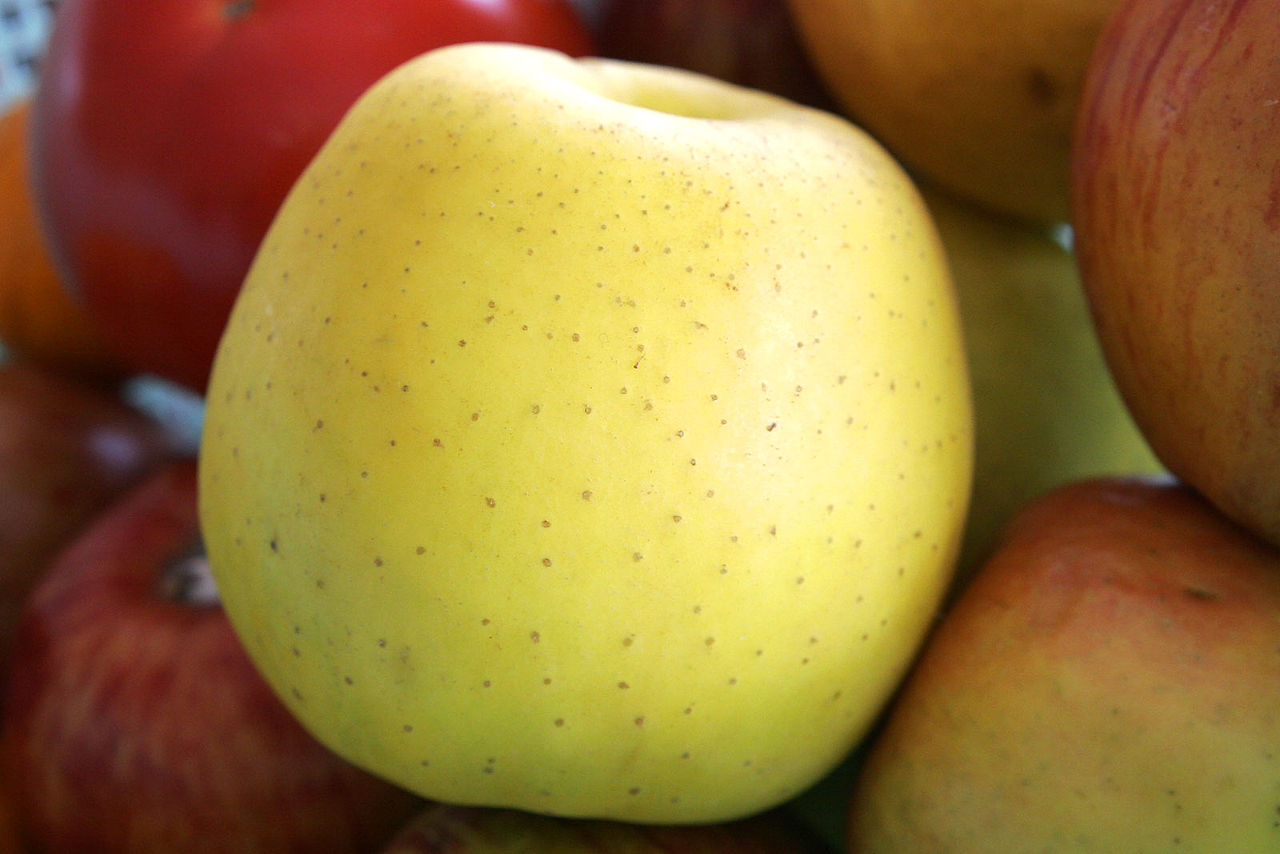
The apple is the pomaceous fruit produced by several species in the genus Malus. Typically round and varying in color from green through yellow to red, apples are grown on small trees or large shrubs cultivated around the world. The fruit is valued for its balance of sweetness and acidity, crisp or tender flesh, storage life, and versatility in fresh and processed foods. Apple wood from mature trees is also used for smoking foods and woodworking.
Image gallery
10 Images




Characteristics and structure
Botanically, apples are accessory fruits (pomes) with a core that contains several seeds. A typical apple consists of:
- Skin – a thin epidermis that contributes color and texture.
- Flesh – the edible mesocarp, varying from crisp to mealy and from tart to sweet.
- Core and seeds – the central carpels that protect seeds; seeds contain trace amounts of amygdalin.
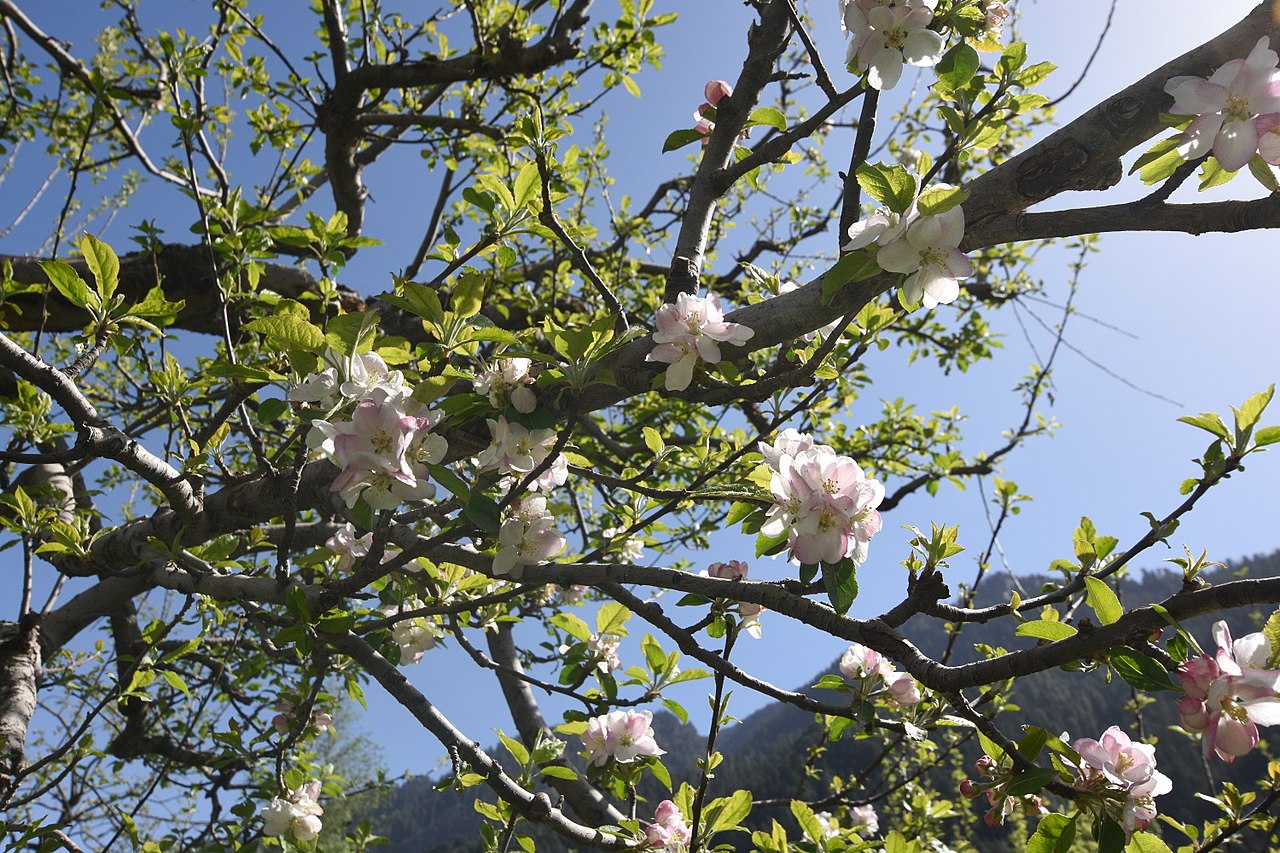
Apple trees bear fragrant white to pink flowers in spring, which, after pollination, develop into fruit. Most orchard varieties are propagated by grafting so that desirable fruit characteristics are preserved; by contrast, wild apples and seedlings grown from seed tend to be larger trees with more variable fruit. Many cultivars also rely on rootstocks to control tree size and precocity.
Origins and historical development
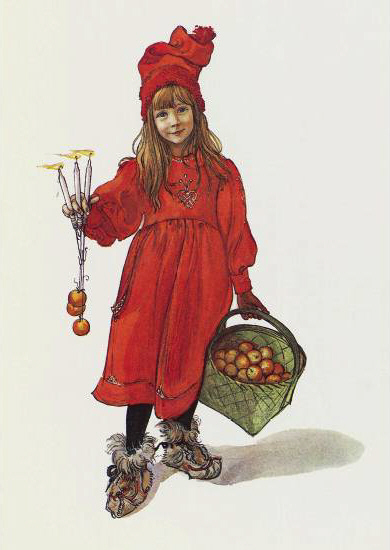
Apples trace their wild ancestor to Central Asia, with regions of Kazakhstan, Kyrgyzstan, Uzbekistan and northwestern China frequently cited as centers of origin. Evidence of orchard management and selective cultivation spread across Asia and into Europe over millennia. European colonists introduced a wide range of apple varieties to North America and beyond, where local breeders further diversified the crop. Apples have long held cultural and symbolic roles in myths, religion, and art across many societies.
In modern science, the apple's genome has become a focus for breeding and disease-resistance research: the apple genome was sequenced in 2010, providing a foundation for genetic studies and applied improvements (genome, sequencing research).
Cultivation, pests and varieties
Commercial apple production depends on careful orchard management. Growers select cultivars for traits such as flavor, texture, color, storage ability, and suitability for fresh eating, cooking, or fermentation into cider (cider production). There are more than 10,000 named cultivars worldwide; breeding programs continue to combine disease resistance, consumer preferences and climatic adaptability.
Apple trees and fruit are susceptible to a range of fungal and bacterial diseases and insect pests; common problems include scab, fire blight and codling moth among others. Integrated pest management and resistant varieties are key strategies in modern orcharding (diseases and pests).
Uses, economic importance and notable facts
Apples are eaten raw, baked, stewed, juiced and fermented. Typical culinary uses include fresh snacking, salads, pies and sauces. Cider and other fermented apple beverages are produced in many regions. Apples are a significant global crop: world production in 2013 reached about 90.8 million tonnes, with China responsible for roughly half of that total (production data).
Notable cultivars commonly found in markets include 'Granny Smith', 'Golden Delicious' and 'Red Delicious', each bred for distinct flavor and storage traits. The apple's long domestication history, combined with modern genetic and horticultural techniques, continues to shape its role as one of the world's most widely consumed fruits.
For further reading on taxonomy, cultivation practices and breeding approaches consult horticultural guides and botanical sources (Malus overview, grafting techniques, cider production).
Questions and answers
Q: What is an apple?
A: An apple is the edible fruit of a number of trees, known for its juicy, green or red fruits.
Q: Where does the apple tree come from?
A: The apple tree comes from southern Kazakhstan, Kyrgyzstan, Uzbekistan, and northwestern part of China.
Q: How long have apples been grown?
A: Apples have been grown for thousands of years in Asia and Europe. They were brought to North America by European settlers.
Q: How are apples generally grown?
A: Apples are generally grown by grafting, although wild apples grow readily from seed. Apple trees are large if grown from seed, but small if grafted onto roots (rootstock).
Q: What are some uses for apples?
A: There are more than 10000 known variants of apples with a range of desired characteristics. Different variants are bred for various tastes and uses such as cooking, eating raw and cider production.
Q: What kind of wood comes from an apple tree?
A: Applewood is a type of wood that comes from this tree.
Q: How much was worldwide production of apples in 2013?
A: Worldwide production of apples in 2013 was 90.8 million tonnes with China growing 49% of the total.
Related articles
Author
AlegsaOnline.com Apple (Malus): fruit, tree, cultivation, uses, and global importance Leandro Alegsa
URL: https://en.alegsaonline.com/art/4992