
Mango: tropical fruit—botany, varieties, cultivation and uses
Overview of the mango: its origins in South Asia, botanical features, major varieties, cultivation and harvest, culinary uses, cultural importance and notable facts.
Overview
The mango is a fleshy stone fruit produced by several species of the genus Mangifera. Widely cultivated across warm regions, the mango is valued for its sweet, aromatic flesh and is an important food crop in many tropical and subtropical countries. The term fruit usually refers to the edible pulp surrounding the large seed; the plant that bears it is commonly called the mango tree. The species is believed to have originated in South Asia, from where it spread to other warm parts of the world and became one of the most extensively grown fruits in the tropics.
Image gallery
4 Images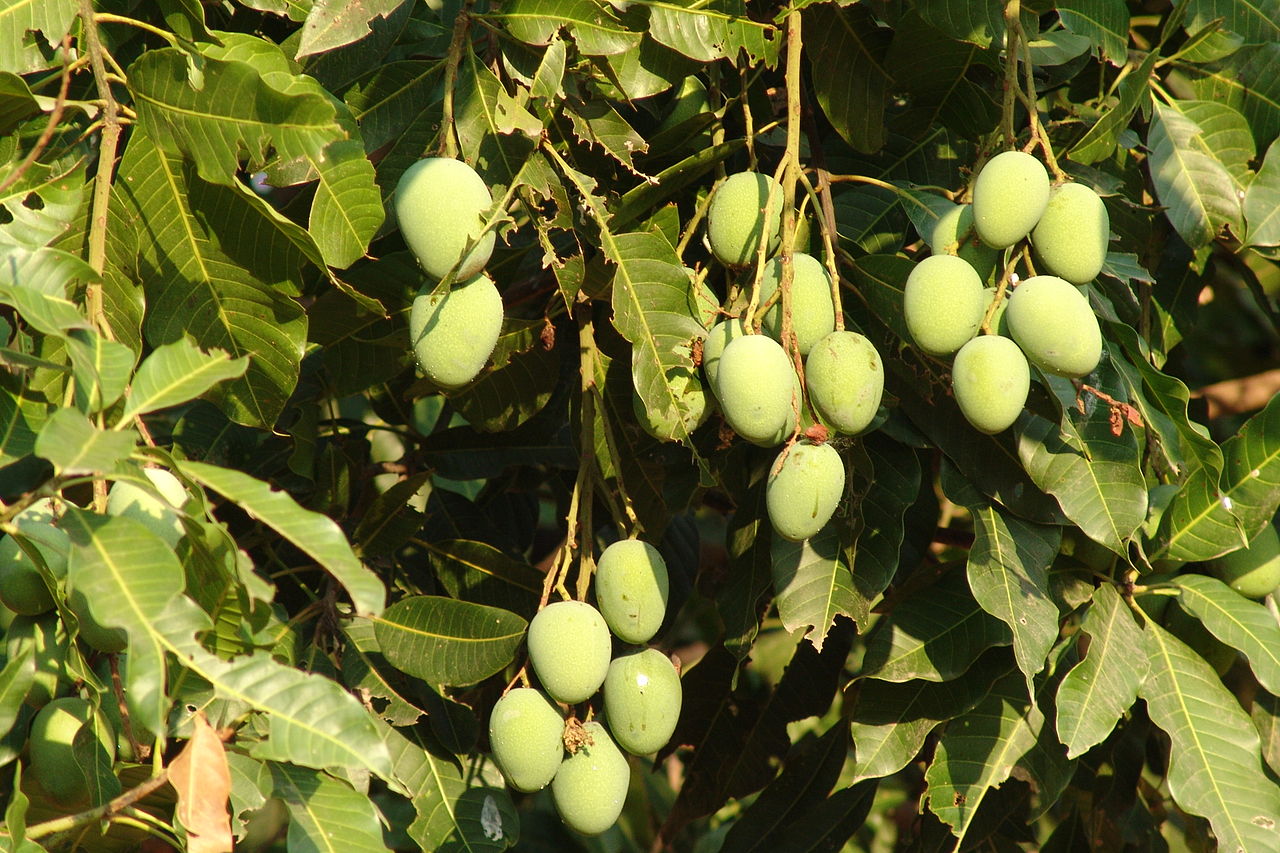


Botany and characteristics
Mango trees are evergreen when grown in tropical climates and can develop a broad canopy. Flowers are produced in panicles and give way to drupes with a single, relatively large seed. Fruit skin color varies by variety and maturity, including green, yellow, red and combinations of these. The flesh ranges in texture from fibrous to buttery and in flavor from tart when unripe to very sweet when ripe. In many regions the local harvest season falls in the spring and early summer; for example fruits are often collected from March through May in some cultivation zones, though exact timing depends on climate and variety.
Varieties and examples
There are hundreds of named mango varieties, selected for taste, size, color, fiber content and suitability for transport. In South Asia several traditional cultivars are especially well known: names such as Langra, Dusshera, Chausa, Tota and Safadi denote local types prized for particular textures and flavors. Alphonso, grown in western India, is celebrated for its rich aroma. Other commercial varieties developed for export and storage include types grown in many producing countries.
History and global distribution
Domestication and early cultivation began in the Indian subcontinent and nearby regions, from where mango cultivation spread with human migration and trade. European exploration and colonial trade networks helped introduce mangoes to East Africa, the Americas, Southeast Asia and beyond. Today major producing and exporting countries include nations in South and Southeast Asia as well as parts of Africa and the Americas. For example, Pakistan and India are historically important producers and exporters; the tree and fruit are also established in West Africa, including areas such as Akwa Ibom, where local farmers recognize distinct preferred types.
Cultivation, harvest and handling
Mango trees prefer warm climates with a distinct dry period that encourages flowering. They are propagated by seed in some cases but many commercial orchards use grafting to preserve desirable qualities. Careful pruning, pest and disease management, and timely harvesting are important for quality fruit. Harvest techniques vary—some markets prefer tree-ripened fruit while others pick mature green fruit for transport and ripen it off the tree. Post-harvest handling, including cooling and gentle packing, reduces bruising and extends shelf life.
Uses, importance and notable facts
Mangoes are eaten fresh, used in beverages, desserts and savory dishes, and processed into products such as puree, chutney, dried slices, jams and pickles. Beyond cuisine, the fruit and its by-products have local economic importance and cultural significance: in several countries the mango holds symbolic or national status. Nutritionally, mangoes supply carbohydrates, moderate amounts of vitamins and minerals and dietary fiber. A minority of people are allergic to compounds found in mango skin and sap; contact can cause dermatitis in susceptible individuals. Mango seeds can be monoembryonic or polyembryonic depending on the variety, which affects propagation practices.
Quick reference
- Origin: South Asia
- Major producing regions: tropics worldwide
- Notable varieties: Langra, Alphonso, Dusshera, Chausa
- Typical harvest season in many zones: March–May (see local timing)
- Important producing countries and markets: India, Pakistan, parts of Africa including Akwa Ibom
Questions and answers
Q: What is a mango?
A: A mango is a type of fruit.
Q: Where is the mango tree native to?
A: The mango tree is native to South Asia.
Q: When is mango harvested?
A: Mango is harvested from March until the end of May.
Q: Which countries share the major export market of mangoes?
A: Pakistan and India share the major export market of mangoes.
Q: What is the national fruit of Pakistan and India?
A: Mango is the national fruit of Pakistan and India.
Q: What is the taste of ripe mangoes?
A: Ripe mangoes are very sweet in taste.
Q: What are the different types of mangoes found in India?
A: The different types of mangoes found in India are Langra, Dusshera, Chausa, Tota, and Safadi.
Related articles
Author
AlegsaOnline.com Mango: tropical fruit—botany, varieties, cultivation and uses Leandro Alegsa
URL: https://en.alegsaonline.com/art/61305
Sources
- wood-database.com : "Mango"
- greencleanguide.com : "Economic importance of Mangifera indica"