
Foods Named After People: Origins, Examples and Cultural Significance
Survey of culinary eponyms: why dishes are named for people, notable examples (Sandwich, Caesar salad, Pavlova, Sachertorte, Beef Wellington, Margherita) and patterns behind these names.
Foods named after people—culinary eponyms—are common across cuisines. Some dishes carry the names of their inventors, patrons, celebrities, royalty or customers; others commemorate events or honor a notable figure. These names can help trace culinary history, reveal social tastes, and sometimes create myths around origin stories.
Image gallery
10 Images


How foods acquire personal names
There are several typical paths by which a food comes to bear a person's name: a chef or inventor may name a dish for themselves or a patron; a restaurant may dedicate a recipe to a prominent guest; publicity and media can cement an association; or a name may evolve from a nickname or place associated with a person. Attribution is not always secure—recipes and names can be reassigned, claimed by multiple sources, or popularized long after the original event.
Notable examples
- Sandwich: Widely linked to John Montagu, 4th Earl of Sandwich, the name describes meat between bread and became a general term for similar preparations.
- Caesar salad: Commonly attributed to restaurateur Caesar Cardini and his restaurant; it illustrates how a single establishment can create a lasting culinary brand.
- Pavlova: A meringue-based dessert named for the ballerina Anna Pavlova; both Australia and New Zealand claim its invention.
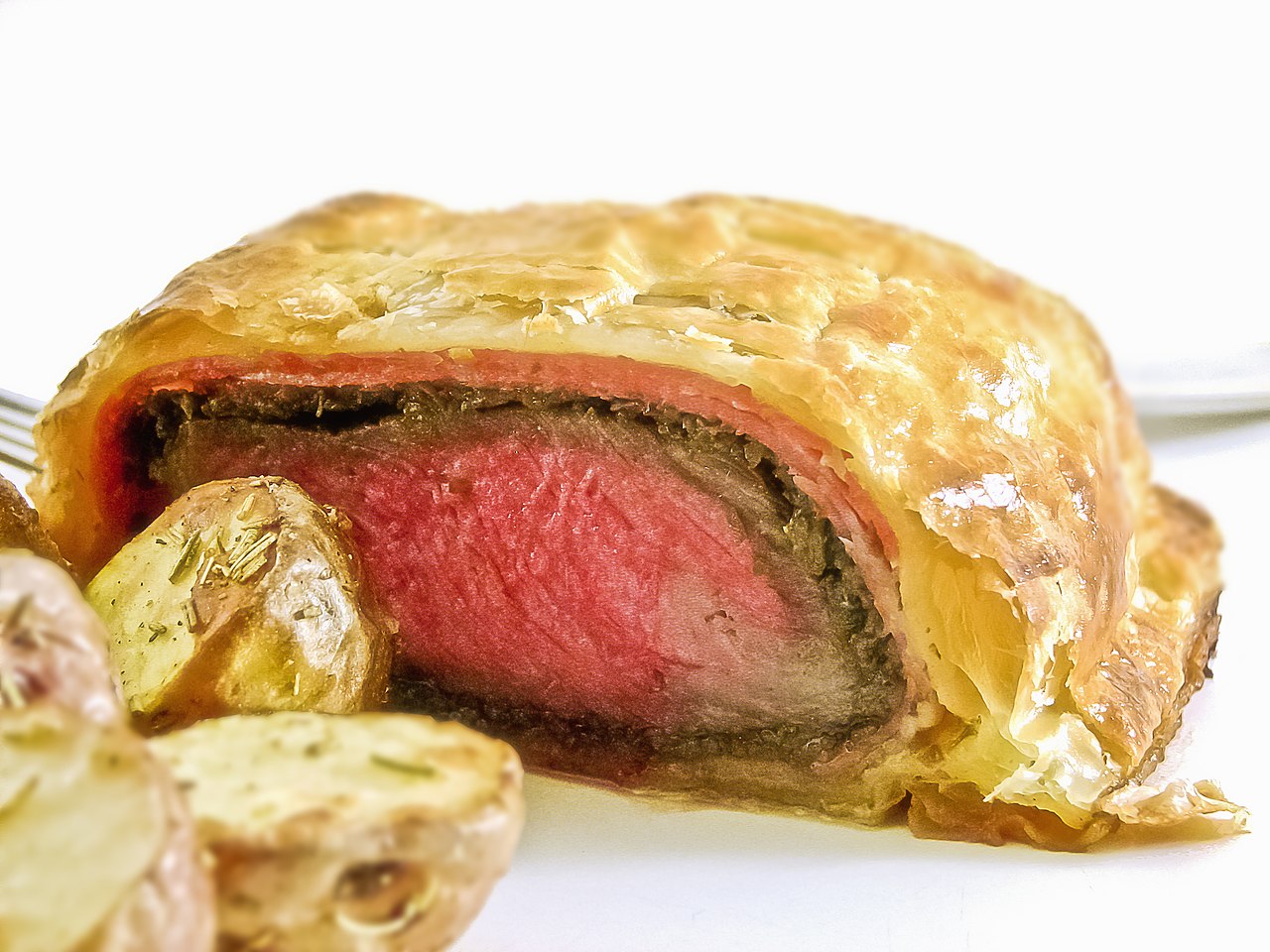
- Beef Wellington: Traditionally associated with the Duke of Wellington, though the exact origin is debated; the name evokes a British hero and celebratory cooking.
- Tarte Tatin: Said to have been created by the Tatin sisters, an upside-down apple tart that became a classic of French home cooking.
- Peach Melba: Named in honor of the Australian soprano Dame Nellie Melba; an example of chefs honoring celebrities.
- Oysters Rockefeller: Named for John D. Rockefeller because of the dish’s rich, buttery sauce; invented in New Orleans and associated with luxury.
- Sachertorte: A dense chocolate cake credited to Franz Sacher and now tied to Viennese pastry tradition.
- Fettuccine Alfredo: Associated with Alfredo di Lelio; it shows how a simple signature preparation can become an international dish.
- Eggs Benedict: Multiple origin stories exist, including claims by a diner and by hoteliers; it exemplifies contested culinary eponyms.
- Reuben sandwich: Attributed to various deli owners or to a hotel cook, reflecting the murky beginnings of many sandwich names.
- Cobb salad: Said to originate with Robert Cobb of the Brown Derby restaurant; a restaurant-origin eponym.
- Margherita pizza: Traditionally named for Queen Margherita of Savoy, combining national colors with a royal namesake.
- Graham crackers: Named after Sylvester Graham, an advocate of plain foods in the 19th century, demonstrating social movements influencing food names.
Patterns, importance and debates
Eponymous foods often reflect social values: honoring royalty or celebrities, advertising restaurant prestige, or recognizing culinary innovation. They become shorthand in menus and cookbooks and can boost a dish’s popularity. However, the same fame that preserves a name can obscure factual origins; many eponyms involve competing claims, misattributions, or folk explanations.
Studying these names offers more than trivia: it illuminates culinary networks, patronage systems, and cultural exchange. Whether a dish truly originated with the person it is named for or simply gained that association later, eponymous foods reveal how taste, fame and memory interact in food history.
Questions and answers
Q: What is this list about?
A: This list is about foods that were named after people.
Q: Who are the foods named after?
A: The foods are named after people.
Q: What type of food items are included in this list?
A: This list includes various types of food items.
Q: How many food items are on the list?
A: The number of food items on the list will vary depending on which source you consult.
Q: Are any specific ingredients mentioned in this list?
A: No, no specific ingredients are mentioned in this list.
Q: Are there any regional variations of these foods?
A: Yes, some of these foods may have regional variations depending on where they originated from or how they have been adapted over time.
Q: Is there a particular cuisine associated with these foods?
A: Not necessarily, as different cuisines may use some of the same dishes and ingredients differently.
Related articles
Author
AlegsaOnline.com Foods Named After People: Origins, Examples and Cultural Significance Leandro Alegsa
URL: https://en.alegsaonline.com/art/124709
Sources
- smallparty.org : smallparty.org/yoram/cooking/belle_aurore/
- historycooks.com : Eggs Benedict XVI
- thy.com : "Three Renowned Turkish Restaurants: Beyti Meat Restaurant"