
White sapote (Casimiroa edulis) — subtropical fruit tree
White sapote (Casimiroa edulis) is a subtropical tree native to Mexico and Central America, grown for its sweet, creamy fruit pulp. It is cultivated in several warm regions and used fresh or in desserts.
White sapote (Casimiroa edulis) is a small to medium-sized tree grown primarily for its edible fruit. Classified in the citrus family Rutaceae, the species is known for a soft, creamy pulp that is eaten fresh or used in drinks and desserts. The tree and its fruit are treated as a minor fruit crop in several warm regions outside its native range. For taxonomic references see Casimiroa edulis and family treatments at Rutaceae.
Image gallery
2 Images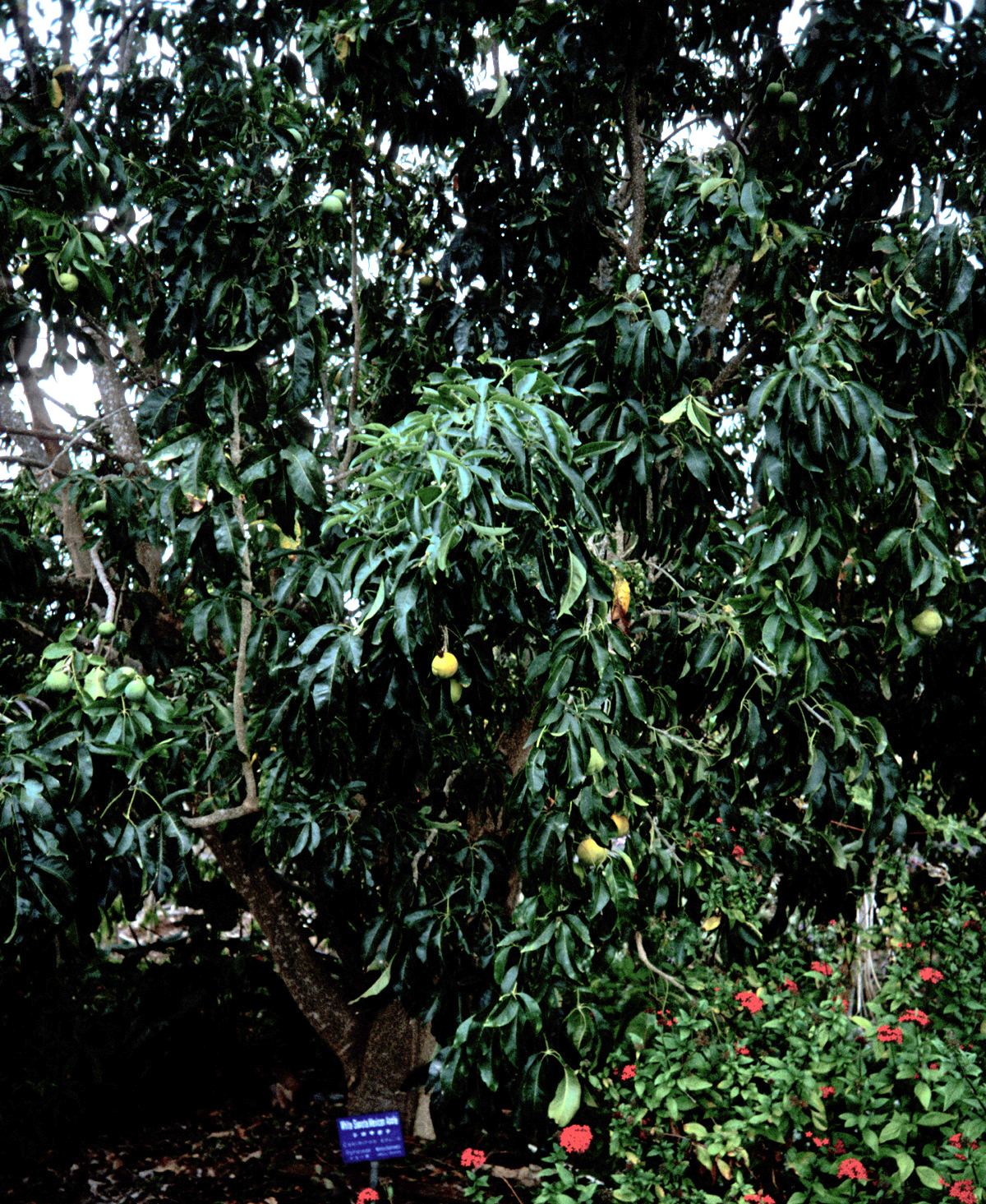

Description and key characteristics
The white sapote typically reaches 6–15 m in cultivation, with a rounded crown and pinnate leaves. Flowers are small, inconspicuous, and borne in clusters; they are insect pollinated. Fruits are round to oval, 4–10 cm across, with a greenish to yellowish skin and a creamy, sweet flesh that ranges in texture from custardy to slightly fibrous. Most fruits contain one to several seeds.
- Tree habit: evergreen to semi-deciduous, medium size.
- Leaves: pinnate, several leaflets.
- Fruit: thin-skinned, pale-colored pulp widely eaten; skin is often discarded.
- Seeds: usually removed before eating.
Native range, cultivation and ecology
White sapote is native to eastern Mexico and parts of Central America, extending southward into countries such as Costa Rica. Its indigenous distribution includes eastern Mexico and broadly across Central America, with records as far south as Costa Rica. The species adapts to subtropical and mild tropical climates and has been introduced to parts of California, South Africa, Australia and the Mediterranean where frost is limited.
Gardeners and smallholders cultivate white sapote for fruit and shade. Trees prefer well-drained soils and moderate water; they can be grown from seed or propagated by grafting to maintain named cultivars.
Uses, culinary notes and safety
The ripe pulp is eaten raw, blended into smoothies, or used in ice creams and other desserts. Its flavour is often described as a blend of banana, peach and vanilla; texture is smooth when fully ripe. For eating, the soft pulp is separated from the skin and seeds; the skin is usually discarded and the seeds removed. The edible pulp is widely praised, while some non-pulp parts are avoided: seeds and unripe tissues are commonly not consumed and some reports caution against ingesting large quantities of seeds or other non‑pulp parts. For recipes and culinary ideas consult general fruit sources such as culinary references.
History, name and notable facts
The genus name commemorates an Otomi freedom fighter, Casimiro Gómez of Cardonal, Hidalgo. For details of the eponym see historical notes at Casimiro Gómez. The common name "sapote" derives from the Nahuatl word tzapotl, used generically for soft, sweet fruits; many unrelated species share the name "sapote," so white sapote is botanically distinct from other fruits called sapote in different families.
White sapote remains a minor but culturally important fruit in parts of Mexico and Central America and a curiosity for home gardeners elsewhere. For further botanical and horticultural information consult general plant resources such as species pages, regional floras at family treatments and cultivation guides linked from native range summaries or conservation listings at Central American plant databases and practical horticulture sources (cultivation notes, culinary and historical references etymology).
Related articles
Author
AlegsaOnline.com White sapote (Casimiroa edulis) — subtropical fruit tree Leandro Alegsa
URL: https://en.alegsaonline.com/art/107850
Sources
- npgsweb.ars-grin.gov : "Casimiroa edulis"
- calflora.net : "Plant Names C-F"