
Plumcot: the plum–apricot hybrid
Plumcot is a hybrid fruit combining plum and apricot ancestry. This article explains its origins, common varieties (including pluot and aprium), characteristics, culinary uses, and how it differs from related hybrids.
Overview
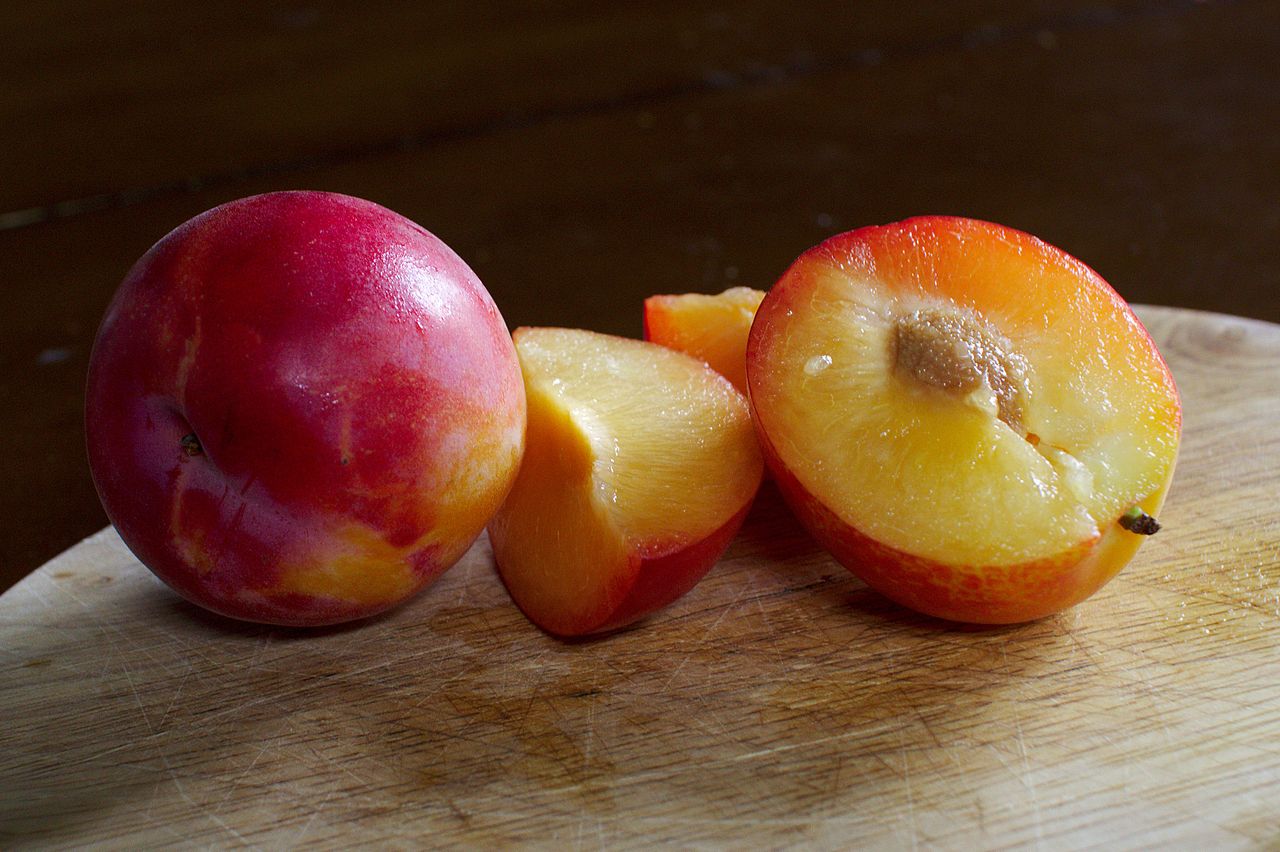
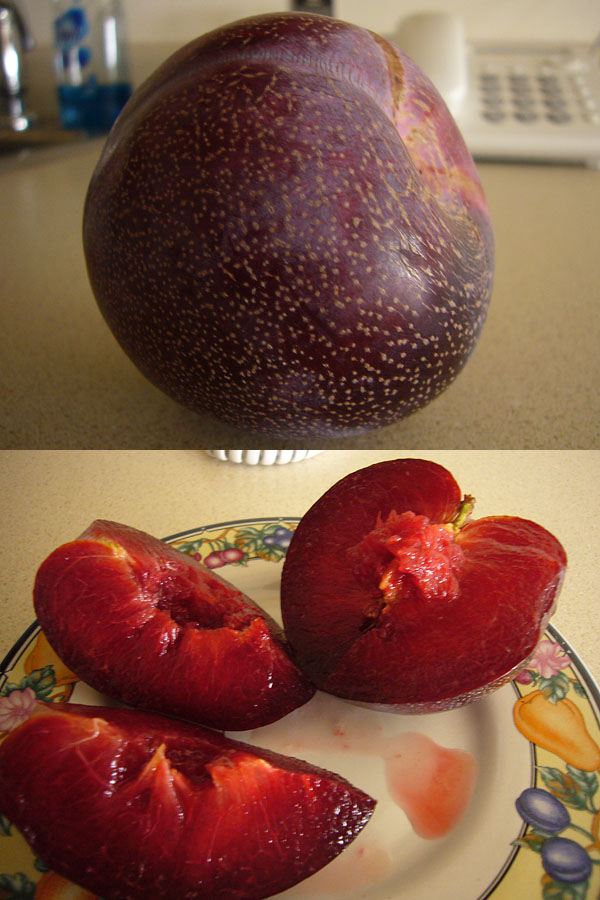
Plumcot refers to a fruit produced by crossing species of the genus Prunus, most commonly a plum (Prunus domestica or related species) with an apricot (Prunus armeniaca). The result is a tree and fruit that can show traits intermediate between its parents: the skin and flesh texture of a plum, the flavor notes and sweetness of an apricot, or a blend of both. Growers and breeders have selected different hybrids for size, sweetness, firmness and storage life, so fruit sold as a plumcot may vary widely.
Image gallery
3 Images
History and development
Interest in plum–apricot crosses dates back to plant-breeding experiments in the late 19th century; horticulturist Luther Burbank is credited with some of the earliest hybrid work. Modern commercial development accelerated in the late 20th century: grower-breeders produced many complex hybrids and introduced branded varieties. One well-known branded form is the pluot, a series of plum-dominant hybrids developed and marketed beginning in the 1980s.
Varieties and distinctions
- Plumcot: a general term for hybrids that may be near a 50/50 mix of parentage.
- Pluot: a trademarked class of plumcot-like hybrids that are typically more plum than apricot in character.
- Aprium: hybrids tending toward apricot characteristics; firmer apricot-like flesh is common.
Names are sometimes used loosely in markets, so labeling can vary between regions and sellers. Botanically, these fruits are interspecific hybrids within Prunus.
Characteristics and uses
Plumcots vary in skin color, flesh color and sweetness. Many have smooth, often glossy skin and a sweet-tart flesh suitable for fresh eating. They are also used for jams, preserves, baking, drying and canning. Nutritionally, they are comparable to plums and apricots, supplying vitamins (notably vitamin C), dietary fiber and natural sugars.
Cultivation and notable facts
Trees generally require similar care to other stone fruits: a temperate climate with winter chill, well-drained soil and regular pruning for light penetration and productivity. Pollination requirements depend on the specific hybrid; some trees are self-fertile while others benefit from cross-pollination. For further botanical context and breeding information see Prunus hybrid resources.
Related articles
Author
AlegsaOnline.com Plumcot: the plum–apricot hybrid Leandro Alegsa
URL: https://en.alegsaonline.com/art/77506
Sources
- familytreefarms.com : "Plumcots (AKA Pluots®)"
- tmsearch.uspto.gov : "Trademark Electronic Search System (TESS): Pluot"
- tmsearch.uspto.gov : tmsearch.uspto.gov/
- slate.com : "Plu-What? What's the difference between pluots and plumcots?"