
Ackee (Blighia sapida): tropical fruit, culinary uses and safety
Ackee (Blighia sapida) is a tropical fruit native to West Africa, widely used in Caribbean cuisine. This article describes its appearance, history, culinary role, cultivation and safety considerations.
Overview
The ackee (Blighia sapida) is a tropical fruit-bearing tree in the soapberry family, known for its distinctive edible arils and glossy black seeds. It is botanically related to fruits such as the lychee and the longan. Native to West Africa, ackee has become particularly identified with Caribbean agriculture and cuisine.
Image gallery
8 Images


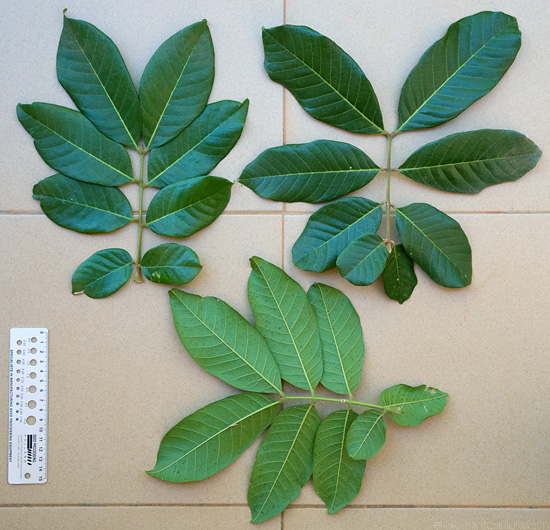
Description and distinguishing features
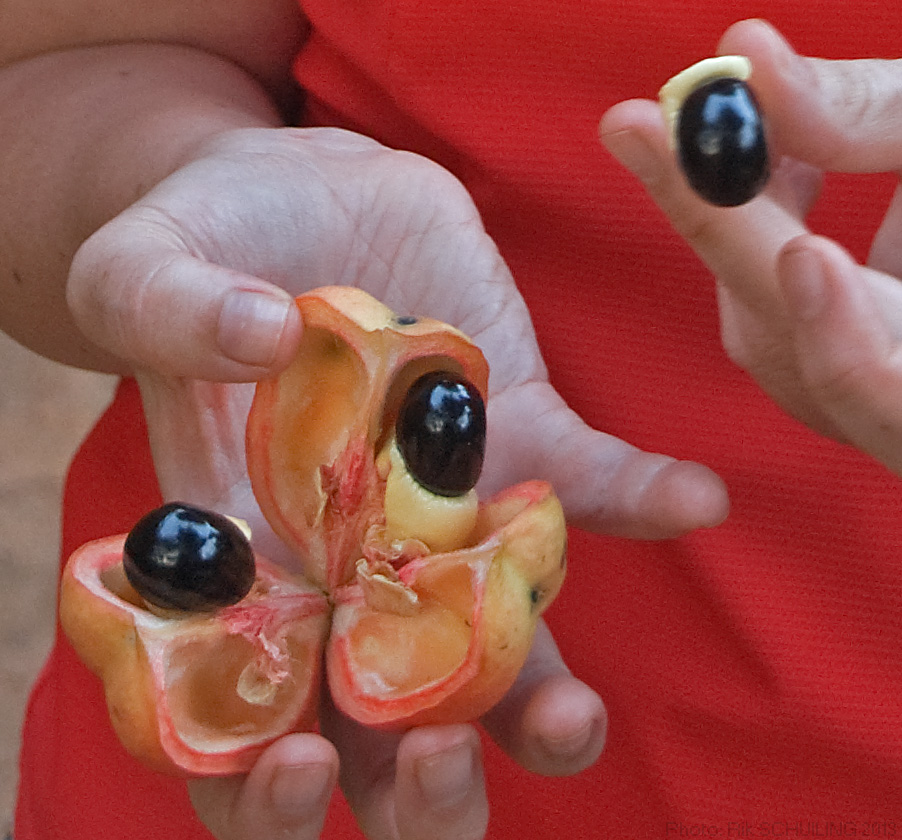
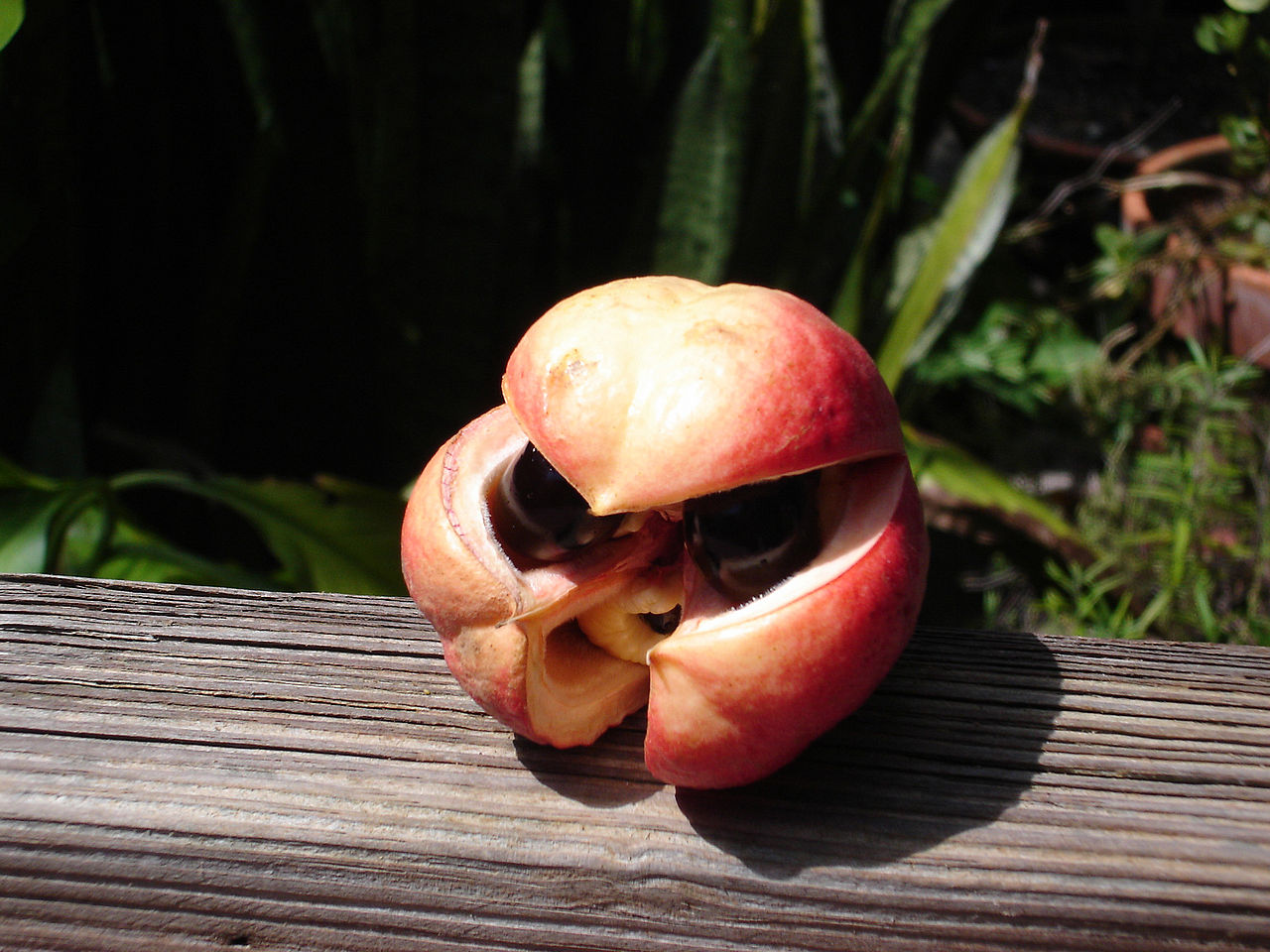
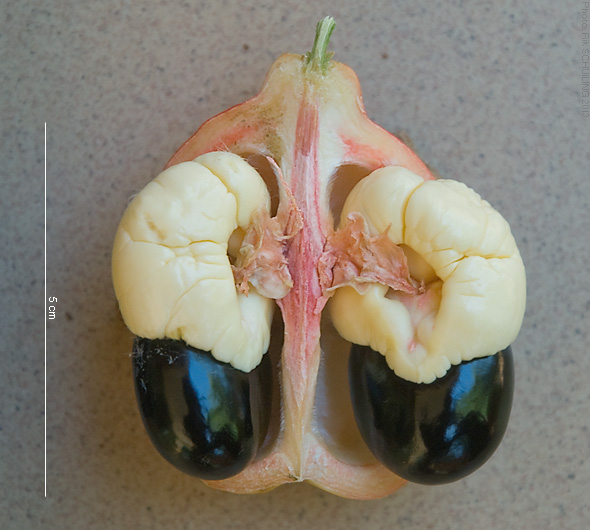
Ackee produces pear-shaped capsules that split open when fully ripe to reveal soft, creamy yellow or ivory arils that surround one or more shiny black seeds. The arils are the only edible portion; the seeds and the inner rind contain compounds that can be toxic if the fruit is consumed before properly ripening. Because of this, harvesters wait for the pods to open on the tree rather than picking them green. For more on the plant and its fruit, see the fruit.
History and spread
Originally from the coastal regions of West Africa, ackee was transported across the Atlantic and introduced to the Caribbean during the 18th century. It was brought to Jamaica before 1778 and adapted well to local climates. The species name, sapida, and the common name honor early collectors and botanists; the scientific binomial records the role of Captain William Bligh, who transported ackee specimens from Jamaica to Kew Gardens in England in the late 18th century.
Culinary uses and cultural importance
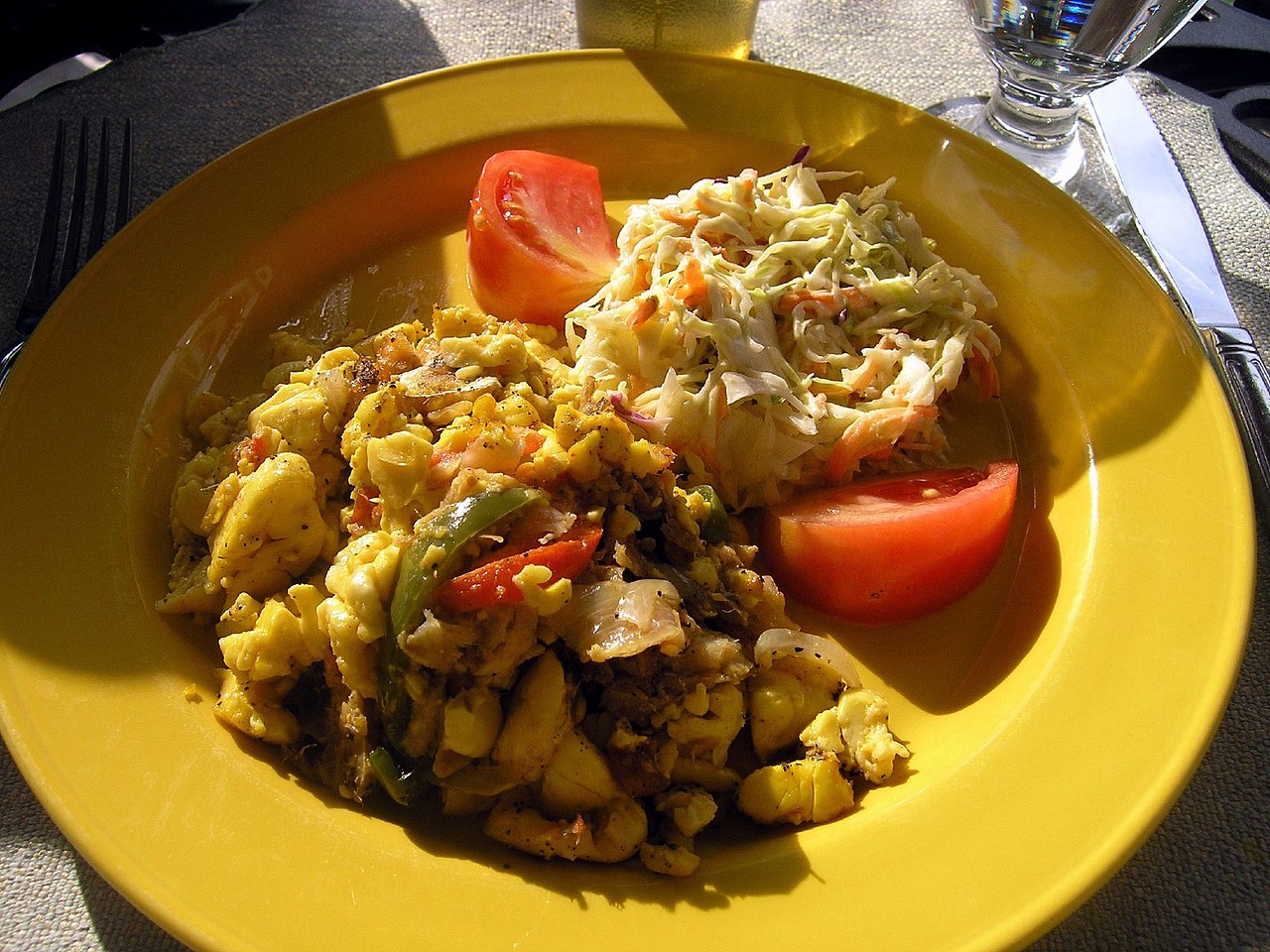
Ackee is a culinary staple in several Caribbean islands and features most famously in Jamaica’s national dish, often served sautéed with salted cod as "ackee and saltfish." The mild, buttery arils can be used like a vegetable: combined with onions, peppers and spices for savory dishes, added to breakfast plates, or used in stews. The tree is cultivated in home gardens and on farms throughout the region and in other suitable tropical areas.
Safety, handling and cultivation notes
Unripe ackee contains toxic amino acids that may cause vomiting and hypoglycemia if eaten. For safety, only arils from naturally opened pods that have fully ripened should be consumed; the black seeds and inner membranes are discarded. Because of the toxicity risk, fresh ackee may be subject to import or sale regulations in some countries. Common cultivation considerations include a warm, frost-free climate, well-drained soil and protection from strong winds.
Practical tips
- Only eat arils from pods that have opened naturally on the tree.
- Discard seeds and inner membranes; cook arils thoroughly before eating.
- When trying ackee for the first time, obtain it from a reputable supplier or a well-established local market.
Ackee’s combination of cultural significance, unique texture and potential hazards makes it a fruit of both culinary interest and careful handling. For more botanical comparisons and related fruits, see links to resources on the lychee, longan and other Sapindaceae relatives.
Questions and answers
Q: What is ackee?
A: Ackee is a fruit related to the lychee and longan.
Q: Where is ackee native to?
A: Ackee is native to tropical West Africa.
Q: Who is William Bligh and why is he significant to ackee?
A: Captain William Bligh took the ackee fruit from Jamaica to Kew Gardens, England in 1793, and the scientific name of the fruit (Blighia sapida) honors him.
Q: When was ackee imported to Jamaica?
A: Ackee was imported to Jamaica from West Africa before 1778.
Q: What is the significance of ackee in Caribbean cuisines?
A: Ackee has become a feature of various Caribbean cuisines.
Q: Is ackee only cultivated in the Caribbean?
A: No, ackee is cultivated elsewhere in the world.
Q: What is the scientific name of ackee?
A: The scientific name of ackee is Blighia sapida.
Tags
Related articles
Author
AlegsaOnline.com Ackee (Blighia sapida): tropical fruit, culinary uses and safety Leandro Alegsa
URL: https://en.alegsaonline.com/art/727
Sources
- jis.gov.jm : "This is Jamaica"