
Blueberry: description, cultivation, uses, and notable varieties
Common name for sweet, edible berries from Vaccinium shrubs; valued for flavor, culinary uses, and cultivation across temperate regions.
Blueberry refers to several species of small, round, edible fruit that range in color from purple to blue. Botanically they are berries produced by woody plants in the genus Vaccinium and related groups; the general fruit form is often simply called berry. These plants are typically low-growing shrubs with bell-shaped flowers and clustered fruit.
Image gallery
10 Images

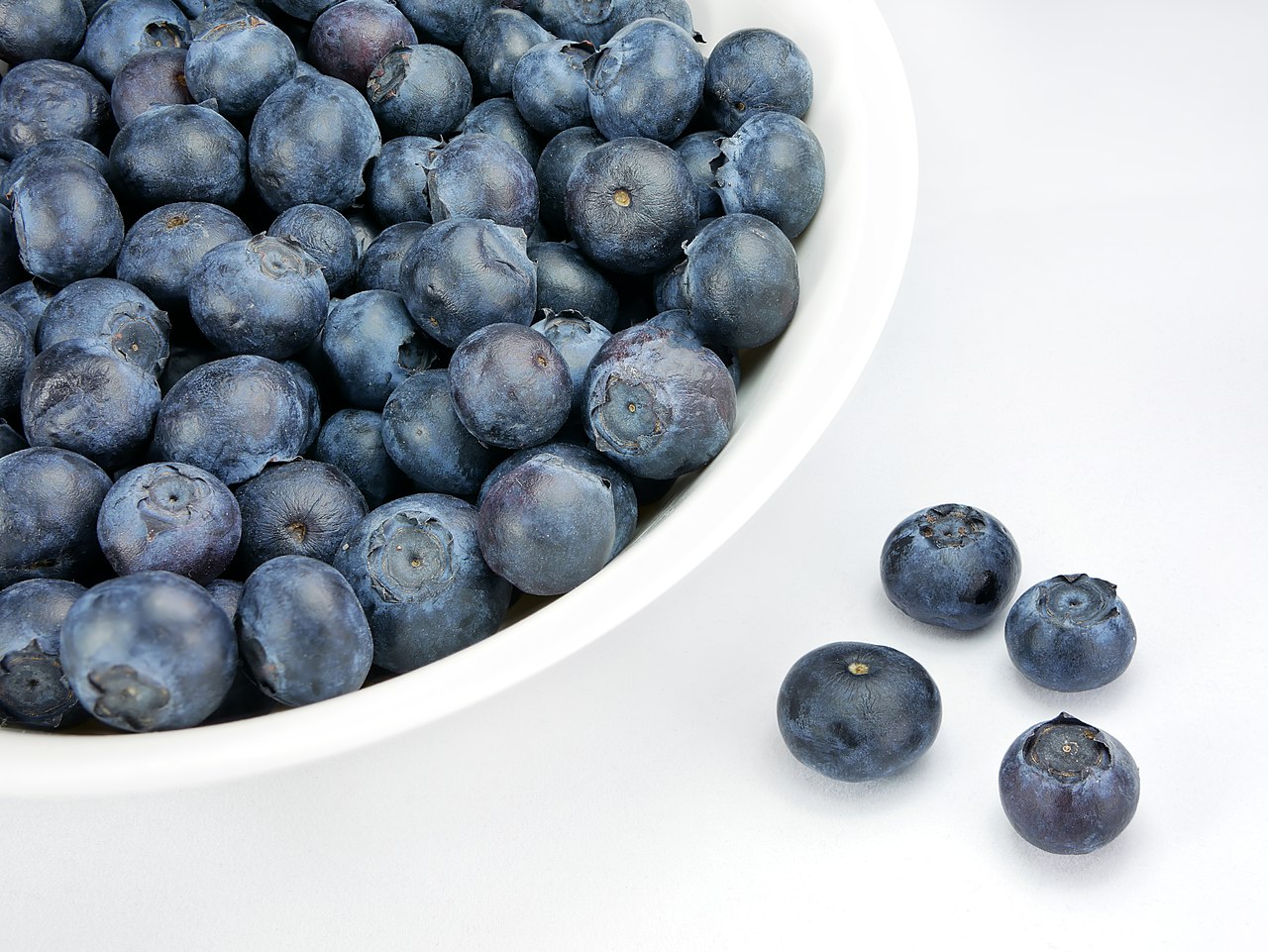


Description and biology
Blueberries are produced on perennial shrubs that may be wild or cultivated. Leaves are simple and alternately arranged; flowers are small and urn-shaped, leading to clusters of fruit. Many commercially grown types derive from the highbush species (Vaccinium corymbosum), while wild and lowbush forms persist in unmanaged landscapes. The plants occur naturally across parts of North America and eastern Asia, and they fruit in warm months, typically from May into October depending on latitude and cultivar.
History and cultivation
Indigenous peoples and early settlers collected wild blueberries for food and preservation long before modern horticulture. Systematic breeding and commercial production expanded in the 19th and 20th centuries, selecting plants for larger fruit, milder acidity, and reliable yields. Today blueberries are grown worldwide where soils and climate suit their needs, and many growers use cultural practices to encourage fruit size and flavor while managing pests and soil acidity.
Uses and culinary examples
Blueberries are prized for a balance of sweetness and mild acidity. They are eaten fresh and processed into preserves and baked goods. Common culinary uses include:
- jelly, jam and sauces
- pie fillings and crumbles
- muffins, pancakes and other baked goods
- fresh fruit, smoothies, and frozen preparations for later use
Importance and distinctions
Blueberries are valued both economically and nutritionally; they contribute to local food systems and global fruit markets. Wild blueberries often have a more concentrated flavor than cultivated types. Regional naming can cause confusion: some local fruits that resemble blueberries are called huckleberry or other common names. When identifying specimens, flower shape, leaf pattern, and growth habit help distinguish true blueberries from look-alikes.
Tags
Related articles
Author
AlegsaOnline.com Blueberry: description, cultivation, uses, and notable varieties Leandro Alegsa
URL: https://en.alegsaonline.com/art/12392