
List of vegetables: overview, classification, and notable distinctions
An accessible overview of vegetables: definitions, common categories and examples, history of cultivation, culinary uses, nutritional importance, and distinctions like botanical vs culinary classifications.
Overview
Vegetables are a broad group of plant parts eaten as savory or side dishes in many cuisines. The term is primarily culinary, referring to edible leaves, roots, stems, flowers, bulbs and seeds used in meals rather than a strict botanical category. For discussion of botanical definitions see botanical definition and for culinary usage see culinary definition.
Image gallery
10 Images




Common categories and examples
Vegetables are often grouped by the plant part consumed. Typical categories and examples include:
- Leafy greens: lettuce, spinach, kale.
- Roots and tubers: carrot, beet, sweet potato.
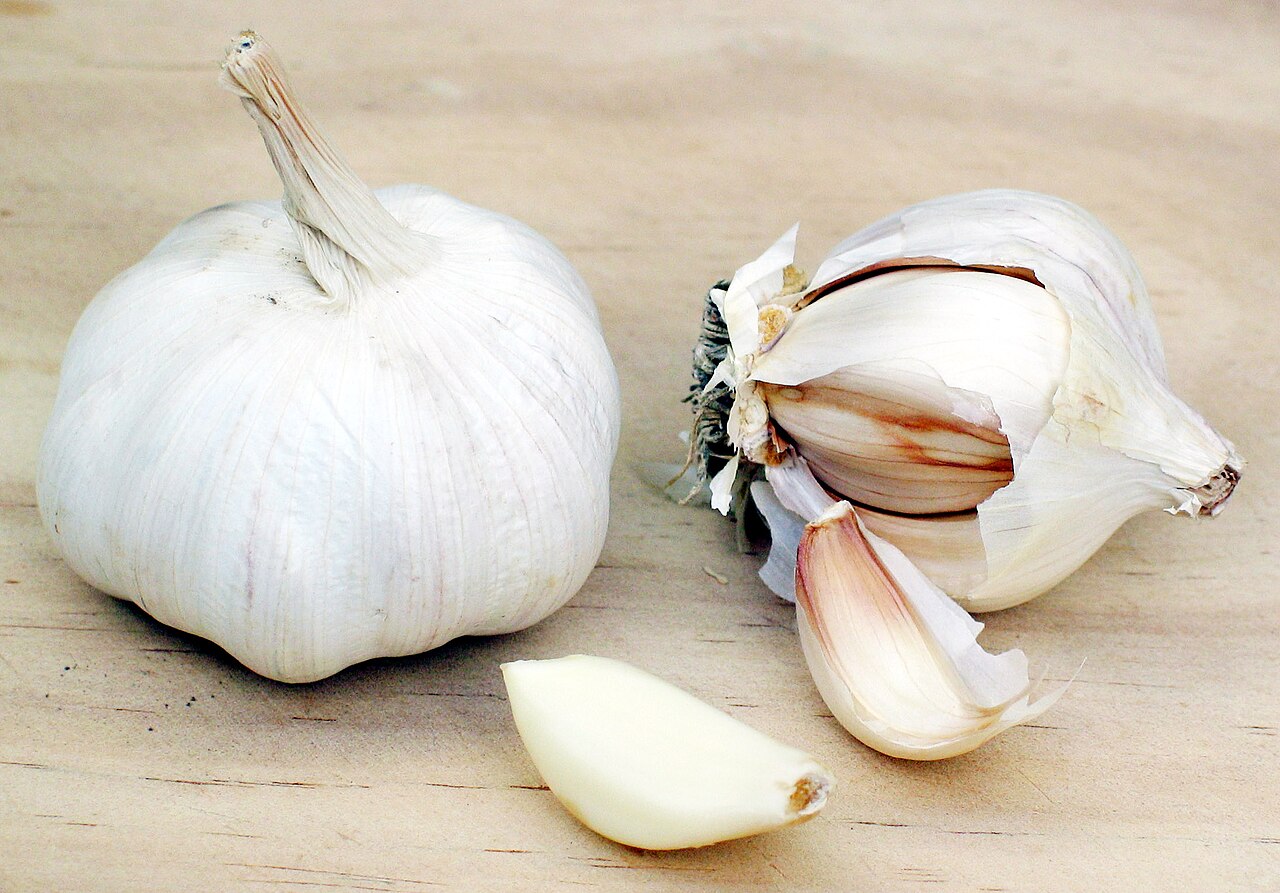
- Bulbs and stems: onion, garlic, asparagus.
- Flowers and shoots: broccoli, cauliflower, artichoke.
- Fruits used as vegetables: tomato, cucumber, eggplant, bell pepper, squash.
History and development
Many familiar vegetables were domesticated thousands of years ago as human groups shifted from foraging to farming. Selective breeding, regional tastes and trade shaped the range of vegetables eaten today. Cultivation spread with migration and commerce, producing the diverse crops found in temperate and tropical agriculture.
Uses, nutrition and importance
Vegetables are central to diets worldwide, valued for vitamins, minerals, fiber and low energy density. They are prepared raw, steamed, boiled, roasted, pickled or fermented and occur in salads, soups, stews and side dishes. Beyond nutrition, vegetable production supports local economies and global food systems; seasonality and storage influence availability.
Distinctions and notable facts
Because culinary practice differs from botanical classification, some fruits (seed-bearing structures) are treated as vegetables in cooking. The difference has practical effects in trade, labeling and language; for example, legal and commercial definitions have sometimes clarified whether an item is sold as a fruit or vegetable. For eating and preparation guidance see dietary resources.
Related articles
Author
AlegsaOnline.com List of vegetables: overview, classification, and notable distinctions Leandro Alegsa
URL: https://en.alegsaonline.com/art/125220