
Apricot
Apricot (Prunus armeniaca) is a small stone fruit prized fresh or dried, native to Central Asia and cultivated worldwide for its flavor, nutrition and culinary uses.
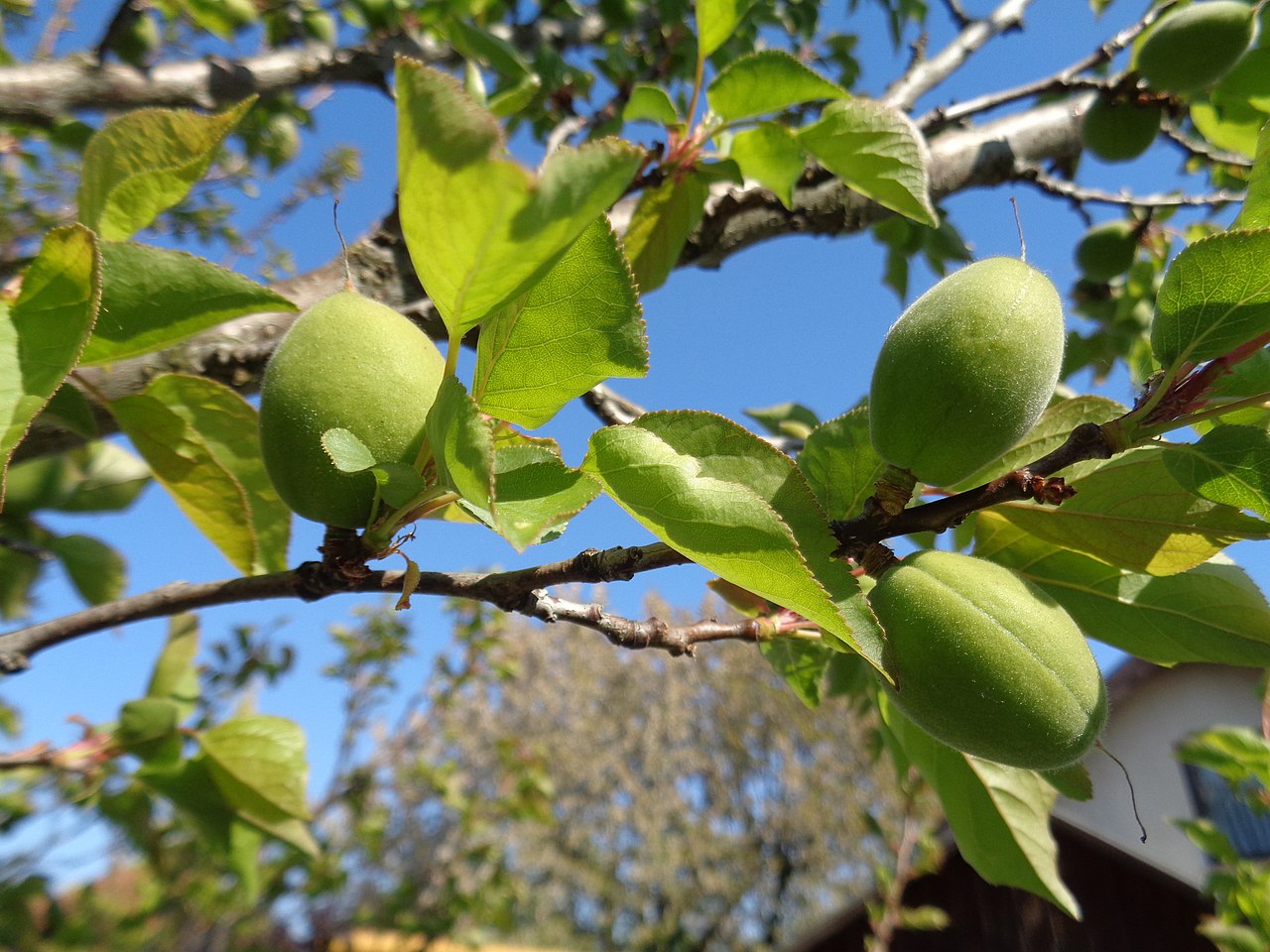
The apricot is a small stone fruit of the genus Prunus, botanically classified as Prunus armeniaca. It is a drupe with a single hard pit and a soft, typically orange-tinged flesh. Apricots are closely related to other stone fruits such as the plum, peach and cherry, sharing similar flower and fruit structures while differing in size, texture and flavor.
Image gallery
10 Images



Characteristics
Apricots are usually round to slightly oval, with smooth or mildly downy skin that can range from pale yellow to deep orange and sometimes show a reddish blush. The flesh is firm yet tender and can be sweet or tart depending on the cultivar and ripeness. Like other drupes, the edible flesh surrounds a single seed enclosed in a woody pit. Trees flower in spring and bear fruit in late spring to summer in temperate climates.
Origins, cultivation and production
Wild ancestors of the cultivated apricot are native to parts of Central and East Asia. Historical records and trade along routes such as the Silk Road helped spread apricot cultivation westward into the Middle East, the Mediterranean and later Europe and the Americas. Modern orchards select varieties for climate tolerance, fruit size and flavor. Apricot trees prefer dry, sunny sites with well-drained soil and are propagated by grafting or from seed for some traditional lines.
- Common cultivation concerns: winter chill requirements, frost sensitivity of spring blossoms, and pests such as brown rot.
- Harvesting is by hand when fruit reach full color and flavor; storage life is limited, so drying or processing is common.
Uses and nutrition
Apricots are eaten fresh, cooked into jams, compotes and sauces, and widely preserved by drying. Dried apricots are a staple ingredient in many cuisines and a convenient stored food. The fruit contributes vitamins (notably provitamin A and vitamin C), dietary fiber and minerals such as potassium. Apricot kernels are used in some traditional products and for oil extraction, though bitter kernels contain compounds that require cautious handling.
Varieties range from small wild types to large commercial cultivars bred for sweetness, firmness or shipping durability. Apricots also have cultural significance in many regions and feature in local cuisines, confectionery and preserves. Because of their aroma and color, apricots are valued in both culinary and cosmetic applications.
Related articles
Author
AlegsaOnline.com Apricot Leandro Alegsa
URL: https://en.alegsaonline.com/art/5027