
Tangerine: characteristics, uses, history and varieties
Tangerine is a small, easy-to-peel citrus fruit related to mandarins and oranges, prized for its sweet flavor, culinary uses, and several commercial and heirloom varieties.
Overview
The tangerine is a member of the citrus group and is commonly recognized as a small, loose-skinned fruit closely related to the mandarin. Compared with the common orange, tangerines are typically smaller, have thinner skins and are often easier to peel. Many describe the taste as sweeter, less acidic and more aromatic than larger sweet oranges.
Image gallery
5 Images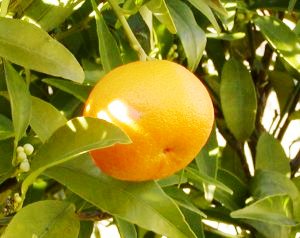


Botany and classification
Tangerines belong to the mandarin group (Citrus reticulata and hybrids) within the broader citrus complex. Taxonomy of cultivated citrus is complex because many commercial forms are hybrids. In casual usage, "tangerine" may refer to specific cultivars or to a range of small mandarins and mandarin hybrids marketed under that name.
Appearance and characteristics
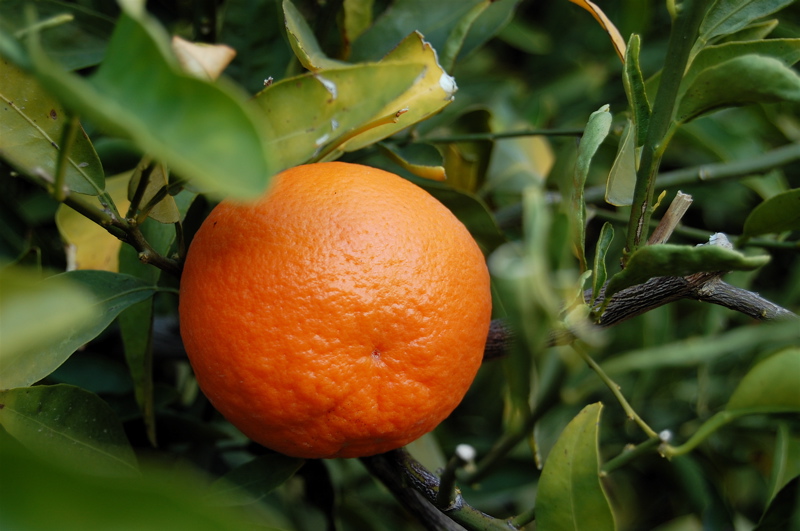
Tangerines usually have a bright orange rind that peels away readily by hand, revealing segmented flesh that is tender and juicy. The number of seeds varies by cultivar; some commercial types are bred to be seedless. The aroma is often strong and floral. Because of their thin skin and delicate rind, tangerines can have a shorter storage life than some thick-skinned oranges.
History and distribution
Originating in Southeast Asia, mandarins and their derivatives were spread by trade over centuries. The English name "tangerine" comes from Tangier, a North African port from which fruit shipments were historically exported to Europe. Today tangerines and mandarin hybrids are cultivated in subtropical regions worldwide and are an important part of winter fruit markets in many countries.
Varieties and hybrids
There are many named cultivars and regional types. Some commonly encountered categories sold as tangerines include satsumas, clementines and other mandarin hybrids. Clementines are often marketed alongside tangerines and are prized for their smooth skin and sweetness, though precise distinctions depend on cultivar and growing region. Commercial selections are chosen for flavor, peelability, seedlessness and cold tolerance.
Cultivation and harvesting
Tangerine trees are usually grown in well-drained soils with full sun and moderate water. Young trees are often propagated by grafting to ensure fruit quality and tree vigor. Harvest timing is important: fruit are picked when ripe but before they become overly soft. Proper pruning and pest management improve yield and fruit appearance in orchard production.
Culinary uses
Very often tangerines are peeled and eaten fresh, but they are also used in salads, desserts and beverages. Their zest and juice add bright citrus notes to dressings and baked goods. In some regional cuisines — for example parts of China — dried peel is used as a flavoring or a traditional remedy. For salad ideas and fruit pairings see regional recipe collections and produce guides here.
Nutrition and storage
Tangerines supply vitamin C, some dietary fiber and various antioxidants while remaining relatively low in calories. Exact nutritional content varies by size and cultivar. For best shelf life, store whole fruit refrigerated to extend freshness; keep away from strong-smelling foods to avoid odor transfer. Peel and segment shortly before serving to preserve juiciness and aroma.
Pests, diseases and postharvest handling
Like other citrus, tangerines can be affected by fungal diseases, scale insects and citrus-specific pests. Integrated pest management, sanitation and careful postharvest handling reduce spoilage. Commercial packing often includes inspection and gentle handling to avoid bruising of the thin-skinned fruit.
Cultural and market notes
Tangerines are valued both as fresh fruit and as a seasonal specialty in many markets. They are associated with winter holidays in some cultures and are commonly sold in small cartons or loose by weight in produce sections. For more on citrus classification, horticulture and cultivar selection, consult general citrus guides and agricultural extension resources linked to authoritative fruit-growing information here and basic cultivar lists here or here.
- Common uses: fresh eating, salads, zest, dried peel.
- Key traits: small size, easy peeling, sweet aroma.
- Related fruits: mandarins, clementines, satsumas.
For practical advice on selection, choose tangerines that feel heavy for their size, have a bright evenly colored skin and give slightly when pressed. Avoid fruit with soft spots or mould. Specialty growers and regional producers often publish specific cultivar descriptions and seasonal availability information here and taste notes and serving suggestions can be found here.
Related articles
Author
AlegsaOnline.com Tangerine: characteristics, uses, history and varieties Leandro Alegsa
URL: https://en.alegsaonline.com/art/96270
Sources
- pittmandavis.com : "Why Are Tangerines So Tangy? – Pittman & Davis Blog"