
Black sapote (Diospyros nigra): the chocolate pudding fruit
Black sapote (Diospyros nigra) is a tropical persimmon known as the chocolate pudding fruit. Native to Mexico, the Caribbean and Central America, its ripe pulp is sweet and used in desserts and drinks.
Black sapote (Diospyros nigra) is a tropical fruit tree in the ebony family (Ebenaceae) commonly called the chocolate pudding fruit or black soapapple. In Spanish it is often known as zapote prieto. Although it is a species of persimmon, botanists place it in the same general group as other Diospyros trees; it is distinct from unrelated fruits that share the name "sapote" and from other sapote species such as the white sapote (white sapote).
Image gallery
10 Images

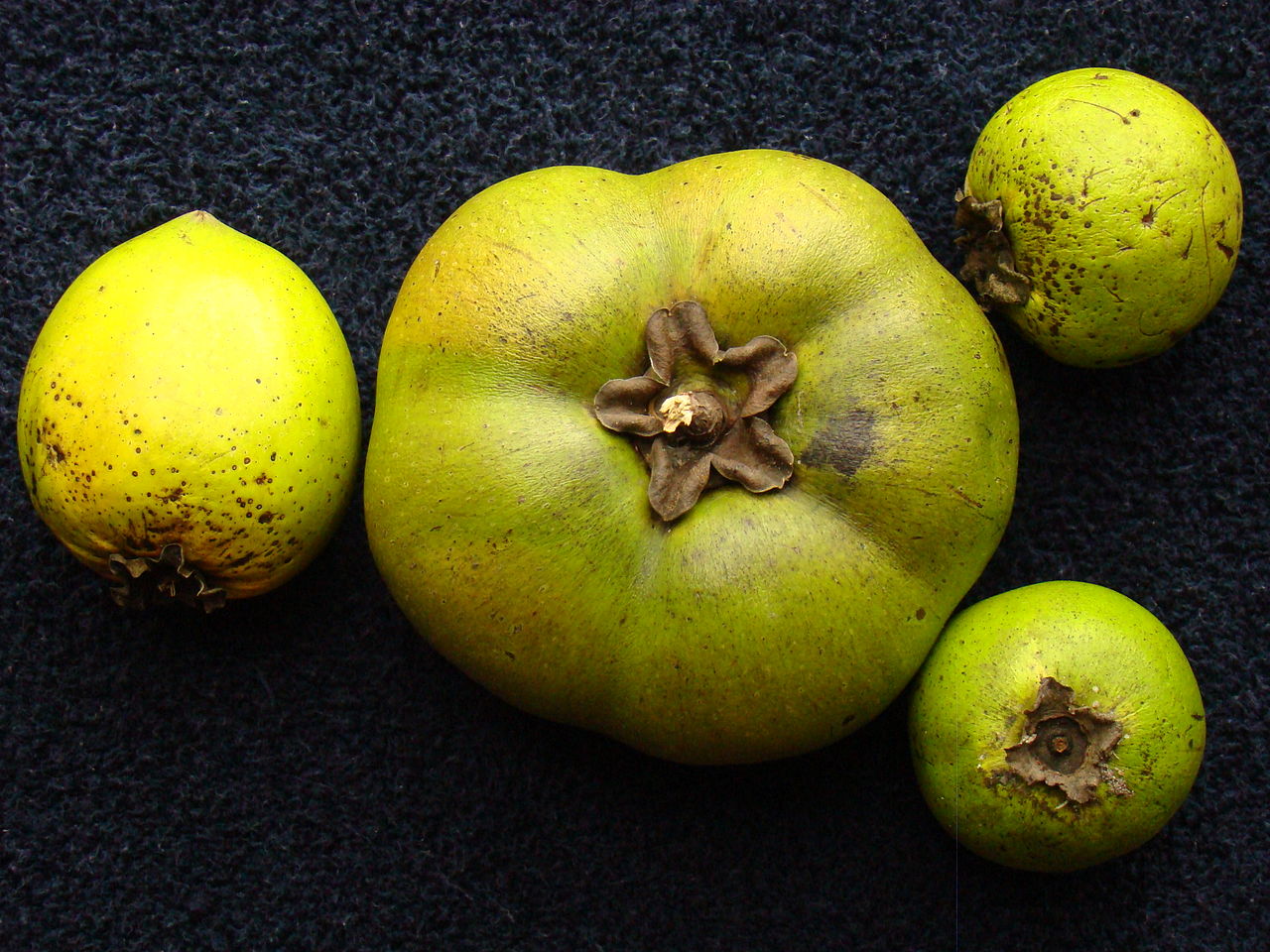


Appearance and characteristics
The tree is a small to medium-sized evergreen with glossy leaves and produces round to oval fruits. Young fruit are green and firm; when fully ripe the flesh becomes soft and turns a dark brown to black color. Ripe pulp has a smooth, custard-like texture and a mild sweet flavor that many compare to chocolate or cocoa, which is why it is nicknamed the chocolate pudding fruit. Unripe fruit can be astringent and unpleasant due to tannins and should not be eaten.
Native range and cultivation
Black sapote is native to parts of tropical America, including eastern Mexico, the Caribbean, and stretches through Central America into Colombia. It grows best in warm, humid climates and has been introduced to subtropical regions elsewhere. Farmers and gardeners grow it for its edible fruit as well as for ornamental use in home landscapes.
Propagation and cultivation notes
- Propagation is commonly by seed, though grafting and cuttings are used to preserve desirable traits.
- Plants prefer well-drained soils and protection from strong cold; young trees may need shelter until established.
- Flowering and fruit set depend on local climate; fruit require time on the tree to soften and develop the characteristic dark pulp.
Uses and culinary value
Ripe black sapote is eaten fresh or used in desserts, smoothies, puddings and baked goods as a natural chocolate-like ingredient. Its soft, sweet pulp blends easily with other flavors; some cooks combine it with dairy, sweeteners or spices to make mousses and frostings. The fruit contributes vitamins, fiber and moisture to dishes, making it appealing for both traditional and experimental recipes.
Notable facts and distinctions
Although called a sapote, the black sapote is not closely related to several other fruits that use the same common name. It belongs to the persimmon group and differs from the white sapote and mamey sapote in flavor, texture and botanical family ties. Common names and uses vary by region, and plant enthusiasts can find cultivation guides and regional references through horticultural resources and specialty fruit forums (persimmon family information) as well as local agricultural extensions.
For regional naming, distribution and additional cultivation advice see resources on its Spanish name (zapote prieto) and native range listings for Mexico, the Caribbean, Central America and Colombia.
Further reading and identification guides can be found via botanical databases and fruit-cultivation sites referenced in horticultural literature (Caribbean, Central America, Colombia, persimmon family).
Related articles
Author
AlegsaOnline.com Black sapote (Diospyros nigra): the chocolate pudding fruit Leandro Alegsa
URL: https://en.alegsaonline.com/art/11966
Sources
- theplantlist.org : "Diospyros nigra (J.F.Gmel.) Perrier"