
Durian (Durio): the spiky, strong‑smelling tropical fruit
Durian is a large, spiny tropical fruit from Southeast Asia, famed for its pungent aroma and creamy flesh. It is culturally important, used fresh or in cooked dishes, and comes in many cultivars.
Overview
Durian is a large fruit produced by trees of the genus Durio, native to tropical Southeast Asia. It is easily recognized by its hard husk covered in sharp thorns and by a very strong, persistent smell that divides opinion: some people admire its complex aroma and flavor, while others find the scent unpleasant. For this reason durian is sometimes restricted in hotels and public transport.
Image gallery
10 Images




Botanical characteristics
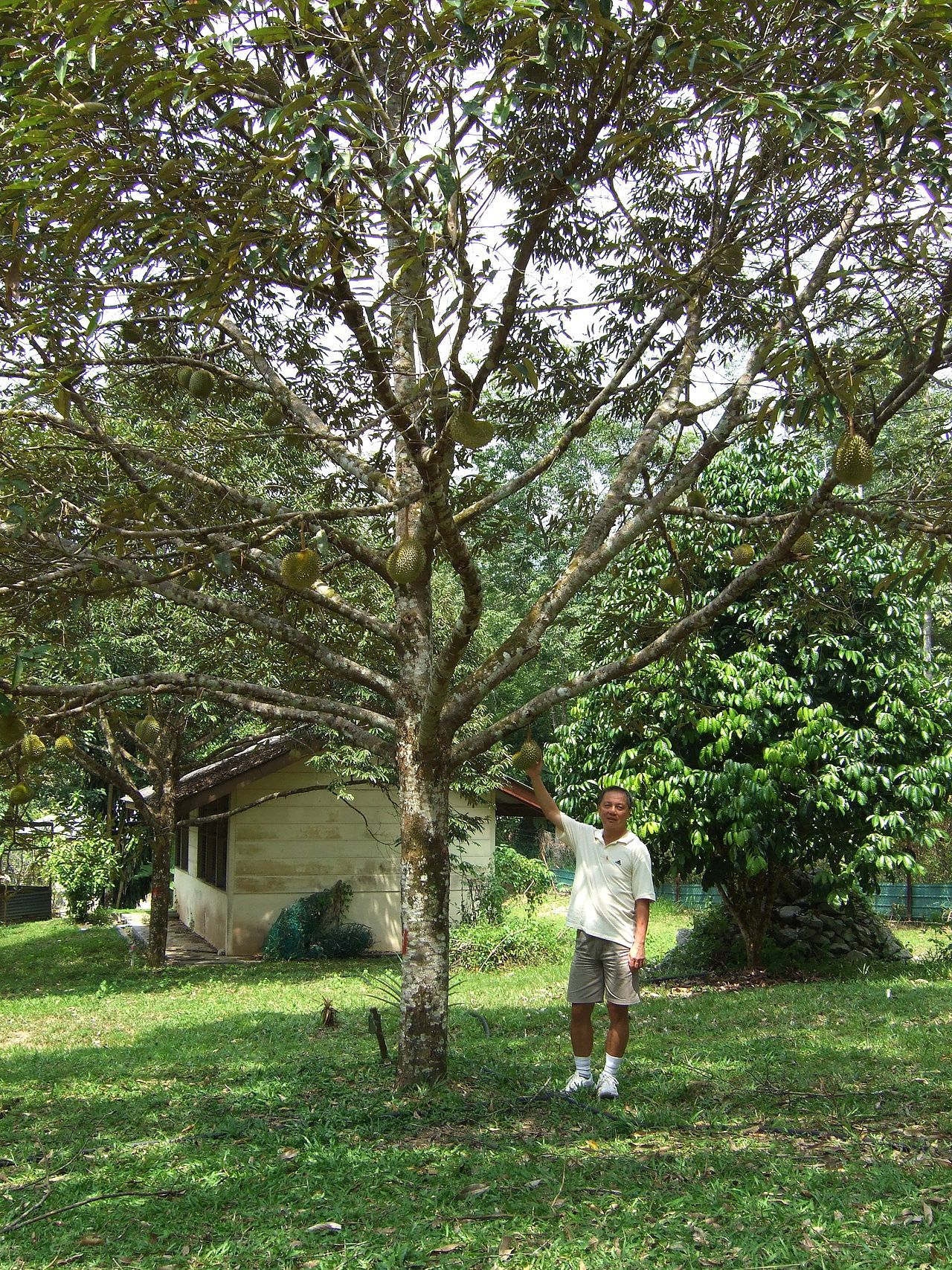
Durian fruits vary in size but are generally heavy and ovoid to oblong. Inside the spiky shell the fruit is divided into segments that contain soft, custard‑like flesh surrounding large seeds. The edible flesh ranges in color from pale yellow to deep golden and is rich in sugars and fats, giving it a creamy texture. The genus contains several dozen species, though only a subset yield the familiar edible fruits.
History, cultivation and distribution
Durian has been cultivated and consumed for centuries across the Malay Peninsula, Borneo, Sumatra, and surrounding islands. Today it is commercially grown in countries such as Thailand, Malaysia, Indonesia and the Philippines, and has also been introduced to other tropical regions. Different cultivars have been selected for traits like fruit size, pulp thickness and aroma intensity.
Uses and culinary importance
The flesh is eaten fresh or used in a wide range of sweet and savory preparations: ice cream, pastries, candies, pancakes, and local dishes. It may also be cooked in curries or added to rice dishes. Durian is celebrated in many Southeast Asian cuisines and markets, where certain varieties command high prices among aficionados.
Varieties, market and cultural notes
- There are many named cultivars with differing textures, flavors and aromas; consumer preferences vary by region.
- Because of its aroma some public places ban durian; packaged or mild varieties are often sold where the strong smell would be problematic.
- Appreciation for durian is highly cultural: it is nicknamed the "King of Fruits" in parts of Southeast Asia.
Further reading
For basic introductions and culinary notes see durian overviews. For information on aroma chemistry and public‑policy responses consult specialized sources at research summaries. Cultural histories and cultivar guides can be found via regional food and agricultural resources such as Southeast Asian culinary references.
Related articles
Author
AlegsaOnline.com Durian (Durio): the spiky, strong‑smelling tropical fruit Leandro Alegsa
URL: https://en.alegsaonline.com/art/29315
Sources
- ars-grin.gov : "Durio L."