
Huckleberry
Huckleberry — a common name in North America for several berry-producing shrubs in the genera Gaylussacia and Vaccinium (family Ericaceae), valued for wild fruit, ecology and regional food traditions.
Overview
The name huckleberry is applied in North America to several species of small, fruit-bearing shrubs. Most plants called huckleberries belong to two closely related genera in the heath family: Gaylussacia and Vaccinium, both members of the Ericaceae. The common name is used differently in different regions, so the same species may be called a huckleberry in one place and a blueberry or another local name elsewhere. The fruit is widely harvested for fresh use, preserves and traditional dishes.
Image gallery
4 Images


Botanical characteristics and distribution
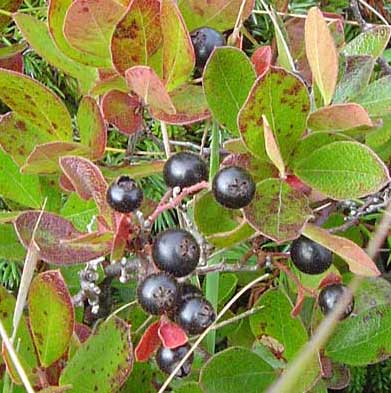
Huckleberries are generally low shrubs that thrive in acidic, well-drained soils, often in forest understories, subalpine meadows, or heathlands. Their flowers are urn-shaped and typical of Ericaceae, and the fruit develops as small, round berries. Berries vary in color from bright red through purple to deep blue and range in flavor from tart to sweet, with a taste often compared to that of a blueberry. Several species assigned to Vaccinium are locally called huckleberries, while the genus Gaylussacia includes species more consistently known by that name.
Species names and common-name confusion
Common names for berries are inconsistent. Some plants, such as the red huckleberry, are almost always called huckleberries, while others in the same genera may be called blueberries in different regions. The term "garden huckleberry" is applied to a cultivated plant that is not a true huckleberry but a member of the nightshade family (Solanaceae), which adds to public confusion about names.
Fruit description
The fruits are small, edible berries borne singly or in small clusters. They typically contain multiple tiny seeds and are often eaten fresh or processed. Berries are popular with many mammals, including bears, and are an important seasonal food source in many ecosystems. People also harvest them for pies, jams, syrups and other traditional preparations. In some places the huckleberry is a recognized emblem: the fruit is celebrated as a state symbol in Idaho and appears in local festivals and traditions; the huckleberry is designated as the state fruit and is commemorated in regional promotional material (state symbol, official fruit).
Ecology and wildlife
Huckleberry shrubs contribute to habitat complexity, providing food and cover for birds and mammals. The berries support migratory and resident species and can be a key carbohydrate source in late summer and autumn. Plants may reproduce by seed and by vegetative spread; their prevalence in an area can be influenced by soil chemistry, fire history and local climate.
Uses, harvesting and conservation
Wild huckleberries are gathered for home consumption and for small-scale commercial sale in some regions. Because wild populations are dependent on intact habitats, responsible harvest practices and habitat protection are important. Some public lands regulate commercial picking to prevent overharvest and to protect recreational opportunities. Prepared products include jams, pies and syrups; huckleberry flavor is also used in specialty foods and beverages.
Identification tips
- Leaves and flowers: simple leaves and urn-shaped flowers typical of the heath family help place a plant in Ericaceae.
- Berries: small, round and variable in color; measurements and seed counts vary among species (see regional keys and descriptions at size and seed notes).
- Distinguishing features: botanists use floral structure, seed anatomy and other detailed characters to separate Gaylussacia from Vaccinium species.
Similar plants and caution
Because the common name is shared with an unrelated cultivated plant called the garden huckleberry, it is important to use scientific names when exact identification matters. Consult local field guides or herbarium resources for reliable identification and follow local guidance when harvesting wild fruit. For general reading and species accounts consult regional flora, guides to plants, and surveys that discuss berry naming and usage in common-name lists and in American English vernacular. Additional practical resources include state and provincial conservation pages and wildlife foraging summaries (mammals, bears), as well as culinary and cultural sources that document human uses (humans).
Further information
Because the term "huckleberry" spans multiple species and regional usages, always consult local botanical keys for species-level identification and check regulations before commercial harvesting. Useful starting points for further reading and regional information include general flora references, botanical gardens, and local extension services; search resources with keywords such as blueberry, red huckleberry and the genera Gaylussacia and Vaccinium.
Related articles
Author
AlegsaOnline.com Huckleberry Leandro Alegsa
URL: https://en.alegsaonline.com/art/45527