
Papaya: tropical fruit and plant (Carica papaya)
Overview of the papaya plant and fruit, including botanical traits, history, cultivation needs, uses in food and industry, and distinguishing features.
Overview
Papaya is the common name for Carica papaya, a fast-growing, tree-like herb cultivated for its sweet, edible fruit. Native to tropical America — especially southern Mexico and Central America — it is now grown throughout warm regions of the world. The term also refers to the fruit itself, commonly eaten fresh or used in cooking and industry. Papaya is a plant valued both for nutrition and for the enzyme papain.
Image gallery
10 Images

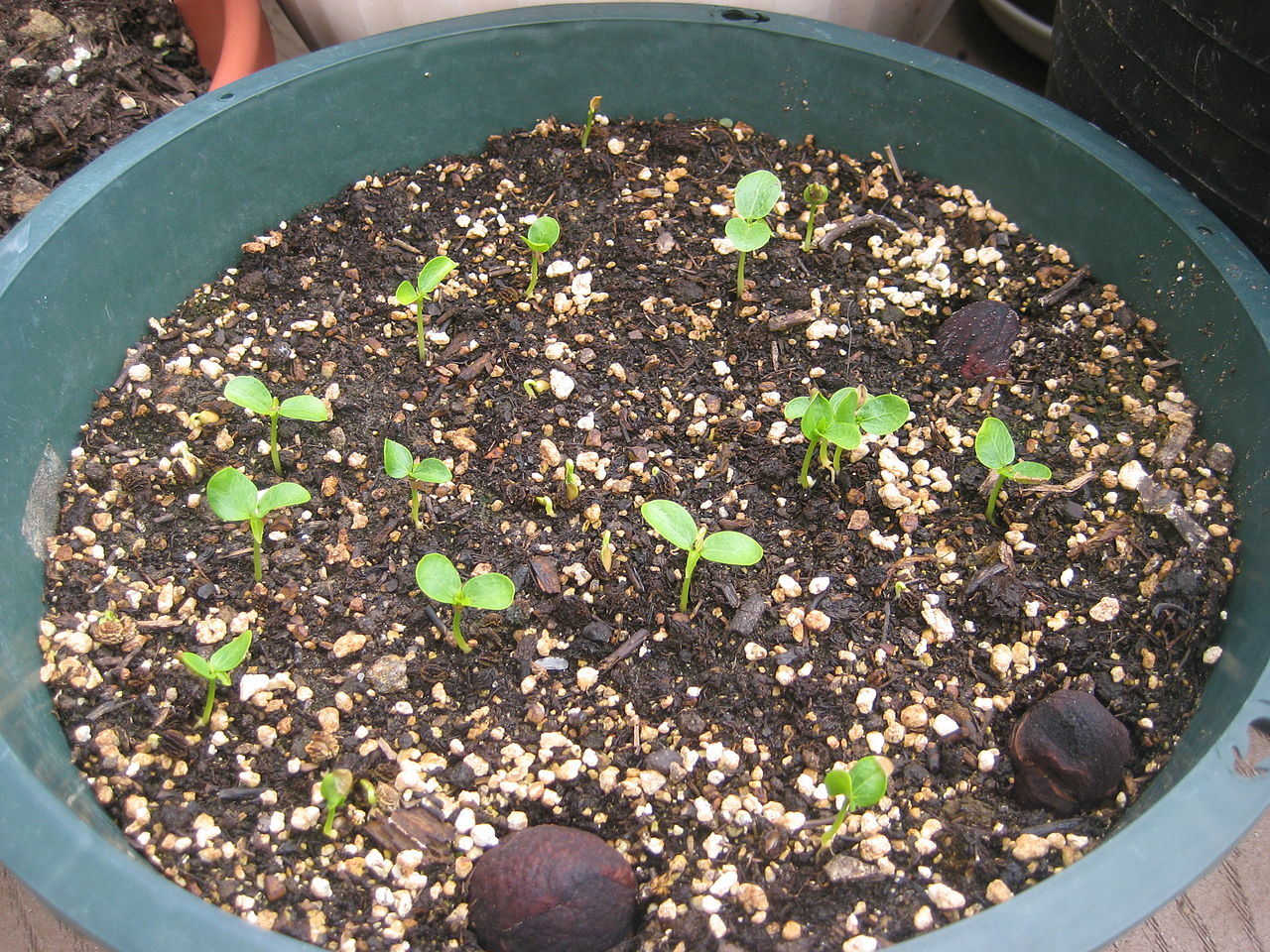

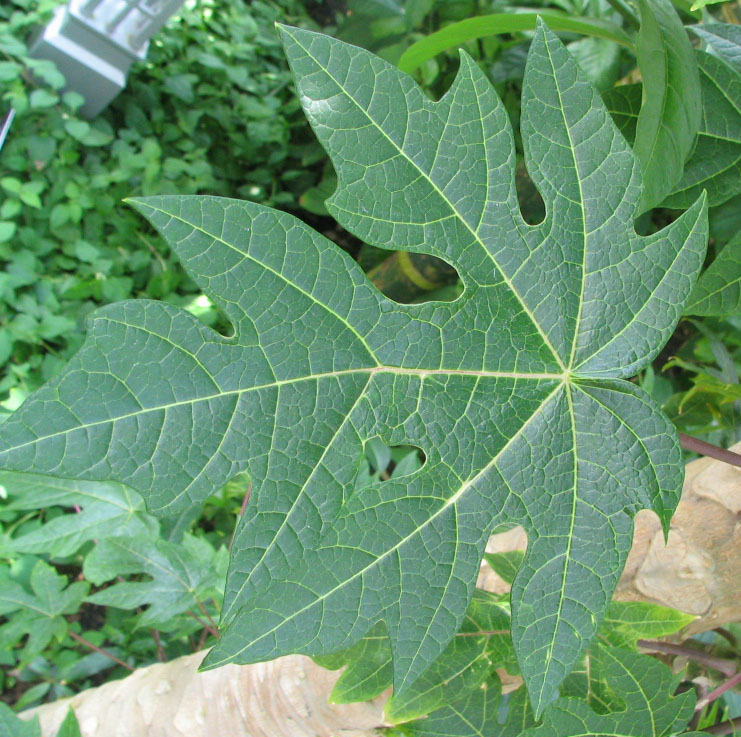


Plant characteristics
Although often called a tree, papaya is herbaceous and has a single, unbranched stem topped with a crown of large leaves. Flowers may be male, female or hermaphrodite; cultivated varieties frequently favor hermaphrodites because they self-pollinate and give consistent fruit. The fruit ranges from small to large, with flesh that is typically yellow to deep orange and a cavity of small black seeds.
Botany and classification
Papaya belongs to the genus Carica. Modern genetic studies reduced the genus so that cultivated papaya remains the primary species in its old grouping; other related taxa have been reclassified into several different genera. Today the cultivated plant is often described as the single species remaining in its original genus concept.
Climate and cultivation
Papayas thrive in warm, frost-free climates and are sensitive to low temperatures. They prefer well-drained soil, ample sunlight and regular moisture. Because plants grow quickly and fruit within months of planting, they are popular with smallholders and commercial growers in tropical and subtropical zones. Seedlings are widely available and many garden varieties have been selected for sweetness, color and disease resistance.
Uses and importance
- Food: ripe papaya is eaten fresh, in salads, smoothies or desserts; unripe fruit is used in savory dishes and pickles.
- Enzymes: papain from the fruit and latex breaks down proteins and is used in meat tenderisers, chewing-gum manufacture and some medicines.
- Traditional remedies and cosmetics: various parts of the plant are used locally for skin care, digestion and wound treatment.
Notable facts and distinctions
Wild and cultivated papaya populations show considerable variation. Selection has produced hermaphrodite cultivars preferred in orchards; separate male and female plants are more common in the wild. The black seeds are edible but peppery and occasionally used as a spice. For basic botanical information or cultivation guides consult general horticultural resources and regional agricultural extensions via papaya fruit references.
Further reading and plant databases referenced by botanical authors may be found through specialist links and resources such as regional floras or agricultural services (plant profiles, genus summaries, and seed-source catalogues). For distribution and conservation notes see sources on origins in southern Mexico and Central America, and on sensitivity to cold at agricultural guidance pages (temperature limits). Historical taxonomic changes are summarized in modern revisions (taxonomic overview).
Questions and answers
Q: What is a papaya?
A: A papaya is a tall herbaceous plant with an edible fruit.
Q: Where is the papaya plant native to?
A: The papaya plant is native to the tropical region of America, mainly from southern Mexico to Central America.
Q: Can papaya plants survive in cold climates?
A: No, papaya plants cannot survive in colder temperatures as they require a warm climate.
Q: Which regions of the world grow papaya plants?
A: Papaya plants are now grown in all tropical regions of the world.
Q: How many species are there in the genus Carica?
A: There is only one species in the Carica genus, which is the papaya.
Q: Why were other species in the Carica genus put into new genera?
A: Other species in the Carica genus were put into new genera as a result of genetic research.
Q: What is the requirement for growth and fruit production in papaya plants?
A: Papaya plants require a warm climate for growth and fruit production.
Related articles
Author
AlegsaOnline.com Papaya: tropical fruit and plant (Carica papaya) Leandro Alegsa
URL: https://en.alegsaonline.com/art/74438
Sources
- hort.purdue.edu : "Papaya and related species"
- crfg.org : "Papaya fruit facts"
- hort.purdue.edu : "Carica papaya"
- thaitable.com : Green Papaya Salad Recipe - ThaiTable.com