
List of soups: types, examples, history and culinary uses
A concise guide to soups: definition, major categories (broth, potage, bisque, chowder), notable examples from world cuisines, preparation notes and culinary distinctions.
Soups are liquid-based dishes prepared and enjoyed in cuisines across the globe. They range from simple clear broths to thick, hearty stews and chilled purées. While recipes and names differ by region, most soups fall into recognizable families defined by their ingredients, texture and method of preparation. The variety reflects cultural preferences, seasonal availability and historical techniques from many cuisines.
Basic components and techniques. Many soups begin with a flavoured liquid made by boiling bones, meat or vegetables to extract taste and nutrients. This yields a stock or, once strained and seasoned, a broth. A carefully clarified and intensely flavoured clear soup is called a consommé. Thick, mash-like preparations that sit between soup and stew are often termed potage and can be similar to porridges or porridges in texture.
Image gallery
10 Images
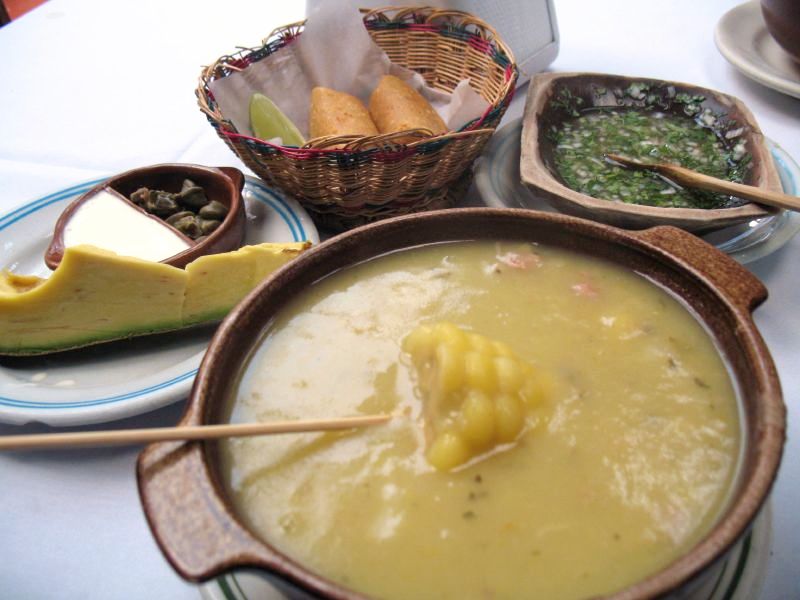


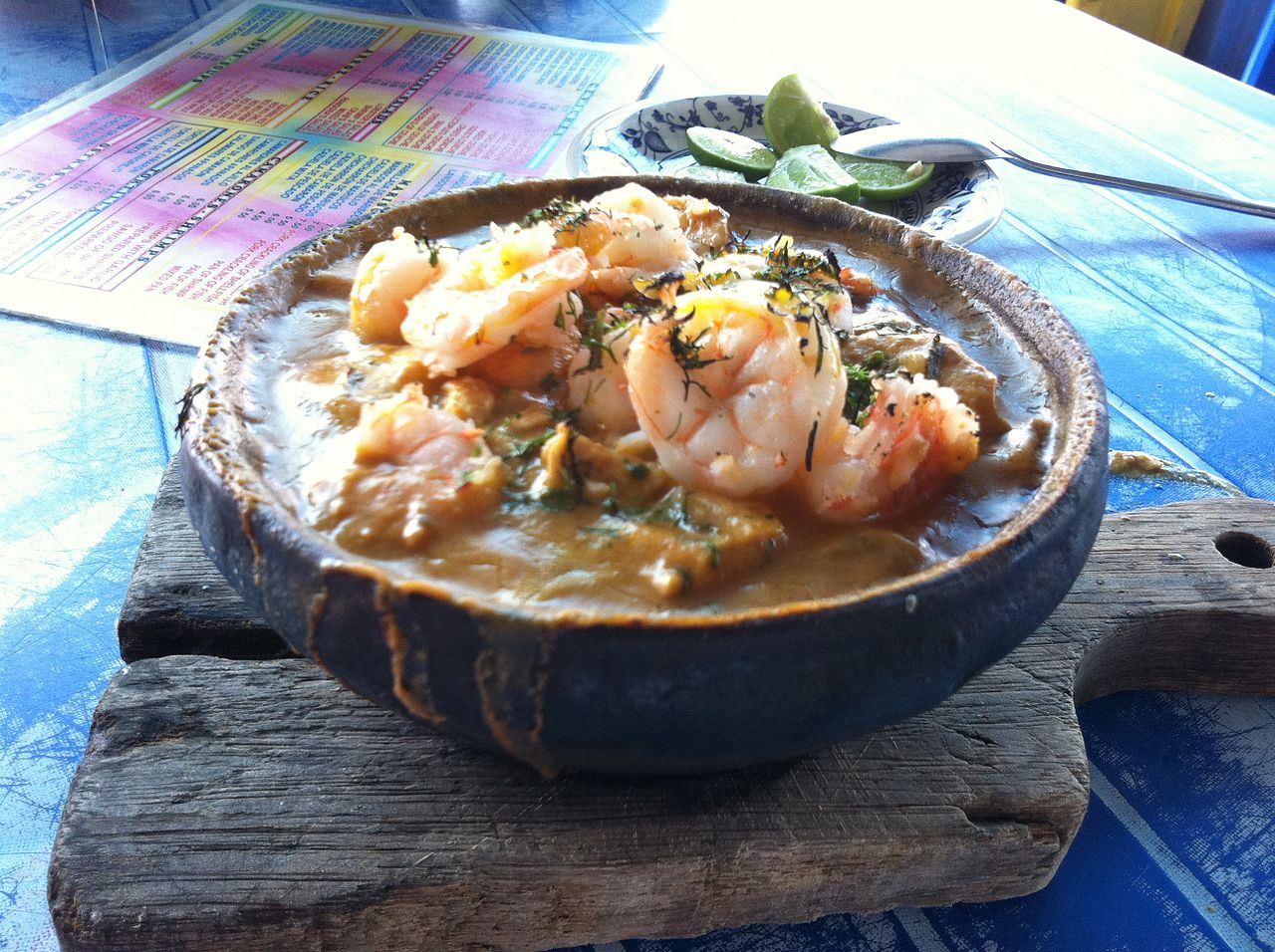


Major categories
- Chunky soups: Broth or sauce with sizeable pieces of meat and/or vegetables, such as minestrone or beef stew.
- Clear soups and broths: Light, strained liquids prized for clarity and aroma, including consommé and Asian noodle broths.
- Thick soups and purees: Made by blending ingredients or reducing liquids; this group includes potages and vegetable purees.
- Bisques and cream soups: Rich, creamy soups historically made from shellfish or seafood, though they can use other vegetables or meats.
- Chowders: Hearty, chunky soups often containing a starch such as potato or corn — classic chowders typically include a prominent starch component.
- Coulis and purées: Originally concentrated meat juices, now thicker purees used as soup bases or sauces.
- Cold soups: Intentionally served chilled, like gazpacho or vichyssoise, and common in warmer climates.
Representative soups and short descriptions
- Minestrone — an Italian chunky vegetable soup often studded with pasta or beans.
- Pho and ramen — aromatic broth-based soups from Vietnam and Japan, served with noodles and garnishes.
- Consommé — a clear, richly flavoured broth clarified for exceptional transparency and taste.
- Lobster bisque — a smooth, velvety bisque traditionally made from shellfish stock and cream.
- Clam chowder — a thick North American chowder combining clams, potatoes and cream or milk.
- Gazpacho — a Spanish cold tomato-and-vegetable purée served chilled as a refreshing starter.
- Borscht — a beet-based Eastern European soup that can be served hot or cold and often includes sour cream.
- Avgolemono — a Greek soup thickened with egg and lemon, usually featuring chicken and rice or orzo.
- Tom yum and miso soup — examples of Southeast Asian and Japanese broths that highlight savory, sour or umami profiles.
Uses and cultural importance. Soups function as appetizers, light meals, main courses and comfort food. They are adaptable to dietary restrictions and resourceful cooking: bones, vegetable peelings and small cuts of meat produce flavorsome liquids rather than being discarded. In many traditions soups hold ceremonial or seasonal roles, such as restorative broths served after illness or chilled soups during hot summers.
Key distinctions and practical notes. The difference between stock and broth is often technical: stock is usually made from bones and meant as a foundation, while broth is finished and seasoned for direct consumption. Cream soups use dairy or roux for body, whereas bisques rely on concentrated shellfish stock and purée for their silkiness. Chowders emphasize chunky ingredients and starch to thicken, and coulis began as concentrated meat or game juices before evolving into vegetable and fruit purées used in modern kitchens. Understanding these categories helps cooks adapt recipes and recognize regional variations.
For further reading on related topics, consult sources on soup history, classic recipes and culinary techniques: general overview, regional cuisines, and pages dedicated to broth, stock, consommé, potage, cooking methods, porridge relations, cream soups, shellfish preparations, chowders, starch in soups, and further topic pages on meat and vegetable uses in soup-making.
Questions and answers
Q: What is a broth?
A: A broth is a flavoured liquid usually made from boiling a meat and bone or vegetable for a period of time in a stock.
Q: What are bisques?
A: Bisques are creamy soups traditionally made with shellfish, but can be made with any type of seafood.
Q: What is the base of cream soups?
A: The base of cream soups is dairy.
Q: What are coulis?
A: Coulis were originally meat juices, and now are thick purees.
Q: How long have soups been around for?
A: Soups have been around since ancient times.
Q: Are there any types of soup that can only be served cold?
A: Yes, some soups are only ever served cold.
Q: Are chowders typically thick soups containing starch?
A: Yes, chowders are typically thick soups usually containing some type of starch.
Related articles
Author
AlegsaOnline.com List of soups: types, examples, history and culinary uses Leandro Alegsa
URL: https://en.alegsaonline.com/art/125152