
Prune (dried plum): characteristics, uses, nutrition, and history
Prunes are dried plums valued for flavor, shelf life, and nutrition. This article explains what prunes are, their botanical background, culinary uses, history, varieties, and notable health considerations.
Prunes are simply dried plums: whole plums that have been dehydrated until they become dense, sweet, and chewy. They are often compared in appearance to very large raisins, but botanically they belong to the Prunus genus, the same broad group that includes cherries, apricots and other plums. A straightforward way to think of them is as preserved fruit made from particular plum cultivars grown for drying rather than fresh eating. Many people use the word "prune" interchangeably with "dried plum," and both terms are widely understood.
Image gallery
6 Images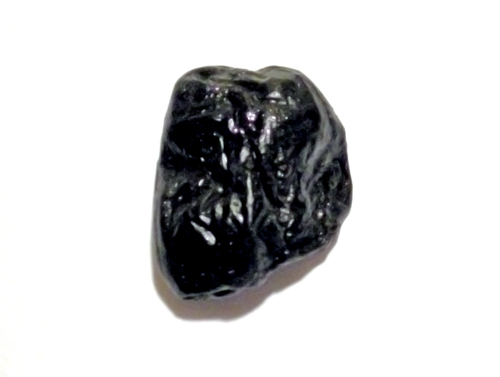


Characteristics and production
Prunes are created by drying ripe plums until moisture content falls enough to stabilize the fruit. This concentrates sugars and flavors, producing a deep brown, sticky fruit with a wrinkled skin. Commercial prunes are often pitted for convenience, though whole, pitted, and chopped forms are all common. In many producing countries, specific plum varieties are selected because their flesh holds together and yields a pleasant texture after drying.
History and geography
Drying fruit is an ancient preservation method; plums have been dried for centuries in regions where they were cultivated. Today a significant share of the global prune supply comes from temperate areas with long growing seasons. In the United States, a large portion of the commercial crop is produced in California, where climate and irrigation support orchard production. Traditional prune products and recipes also appear across Europe, the Middle East, and parts of Asia.
Uses and culinary examples
Prunes are versatile in both sweet and savory cooking. Common uses include:
- Snacking or eating plain as a shelf-stable sweet.
- Adding to breakfast dishes, such as muesli or cereal, for extra sweetness and fiber.
- Incorporating into baked goods, compotes, or stews to enrich texture and flavor.
- Combining with savory ingredients — for example, the classic appetizer of bacon-wrapped prunes or stews where they add depth and acidity balance.
Nutrition and notable facts
Prunes provide concentrated energy from natural sugars and are a good source of dietary fiber, potassium, and certain antioxidants. They have a reputation for supporting digestive regularity because of their fiber content and the presence of sorbitol, a naturally occurring sugar alcohol. Like all dried fruit, they are calorie-dense compared with fresh fruit, so portion awareness is useful. Prunes may be sold pitted or whole and can be rehydrated in cooking when a softer texture is desired.
Varieties and distinctions
Not every plum will make a good prune: fruit chosen for drying usually have firmer flesh and higher sugar levels at maturity. Botanically the term "prune" overlaps with dried forms of several species in the Prunus group, and different regions have their own preferred cultivars. For general information on plums and related species, see resources about plums. For quick comparisons and culinary ideas, many guides contrast prunes with similar dried fruits such as raisins and dried apricots.
Related articles
Author
AlegsaOnline.com Prune (dried plum): characteristics, uses, nutrition, and history Leandro Alegsa
URL: https://en.alegsaonline.com/art/79788