
Passionfruit (Passiflora edulis): description, varieties and uses
Tropical fruit of the Passiflora vine, valued for aromatic, tangy pulp and edible seeds. Commonly available as purple and yellow types and used in juices, desserts, sauces and perfumery.
Overview
The passionfruit is the edible berry of vines in the genus Passiflora, most commonly Passiflora edulis. The ripe fruit is known for a wrinkled, leathery rind and a fragrant, juicy interior full of gelatinous pulp and small crunchy seeds. The flavor is typically a balance of sweet and tart, making it popular for fresh eating and processing.
Image gallery
10 Images

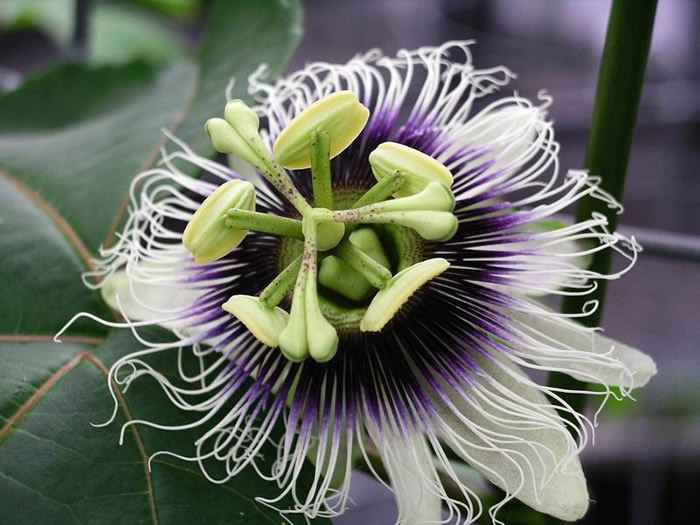


Characteristics
Passionfruit vary in color and size: the purple form has a deep purple rind when ripe and aromatic pulp, while the yellow form is larger and often more acidic. Inside, the orange or yellow pulp surrounds numerous black seeds that are edible and provide a crunchy texture. The vine produces distinctive five-petaled flowers, commonly called passion flowers.
Origin, name and cultivation
Native to South America, passionfruit has been cultivated and spread to tropical and subtropical regions worldwide. The common name "passion" was applied by early European observers and missionaries who associated features of the flower with symbols from the Passion of Christ. Commercial cultivation favors frost-free climates; major producing areas include parts of South America, Africa, Oceania and southern Asia. For more botanical detail see Passiflora overview and cultivation notes at growing guides.
Uses and culinary importance
Passionfruit is used fresh and processed. The pulp and juice flavor beverages, desserts, sorbets, sauces, salad dressings and cocktails. Seeds are commonly consumed with the pulp or incorporated into preserves and baked goods. Processed products include frozen pulp, concentrates and dried flavorings. Examples of regional uses include refreshing juices and fruit drinks in tropical countries and flavoring in confectionery. For recipes and culinary ideas consult recipe collections or industry pages at processing standards.
Nutrition and handling
The pulp is a source of vitamin C, dietary fiber and aromatic compounds; seeds contribute texture and small amounts of oils. Ripe fruit often detaches from the vine and may be collected from the ground; unripe fruit is green and hard, ripening to the cultivar’s characteristic color. Storage and transport favor chilled conditions or conversion to pulp to lengthen shelf life.
Varieties, horticulture and notable facts
- Two widely cultivated types are the purple P. edulis and the yellow P. edulis f. flavicarpa.
- Passion flowers are botanically interesting and historically significant—readers can explore cultural accounts at history resources and taxonomic notes at plant databases.
- Commercial and home gardeners often propagate vines by cuttings or seed; management guides are available from extension services (horticultural help) and trade associations (industry links).
Because of its intense aroma and versatile pulp, passionfruit occupies a niche between fresh tropical fruit markets and ingredient supply chains for beverages and confectionery. Varietal selection, climate and postharvest handling strongly affect flavor and commercial suitability.
Related articles
Author
AlegsaOnline.com Passionfruit (Passiflora edulis): description, varieties and uses Leandro Alegsa
URL: https://en.alegsaonline.com/art/74944