
Vegetable: definition, types, nutrition, culinary use and history
Comprehensive overview of vegetables: what they are, common categories (leaves, roots, stems, flowers, bulbs, seeds), nutritional benefits, culinary uses, history, and notable distinctions.
Vegetables are edible portions of plants consumed as part of a meal. In everyday language the term covers a wide range of plant material eaten for savory or main-course dishes rather than for their sweetness. This culinary definition groups together leaves (for example, lettuce), roots (carrots, beets), stems (celery, asparagus), bulbs (onion, garlic), flowers (broccoli, cauliflower), tubers (potatoes), and some seeds and immature fruits that are prepared and served like vegetables.
Image gallery
10 Images



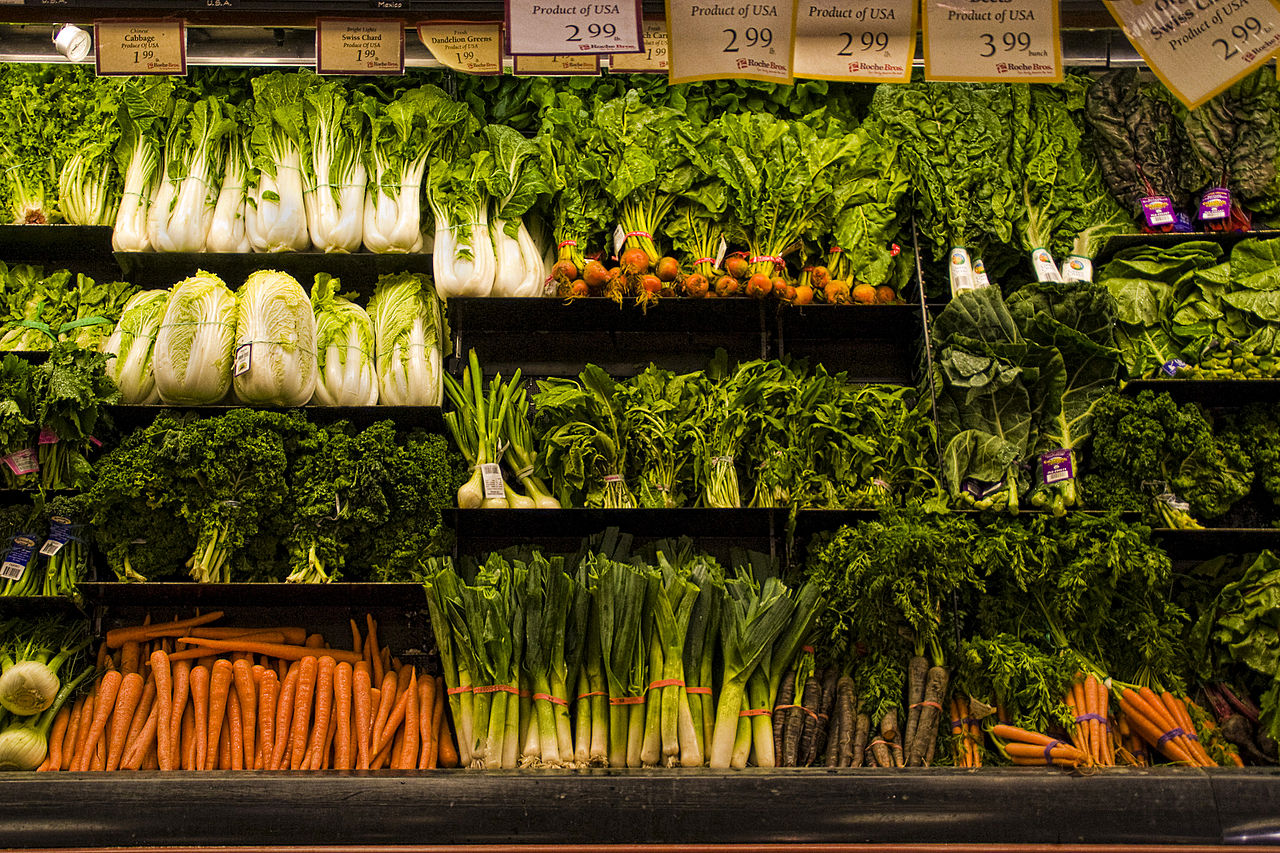


Common categories and characteristics
Vegetables can be sorted by the plant part they come from and by their botanical family. Common categories include:
- Leafy greens: spinach, kale, chard—typically eaten for their tender leaves.
- Root vegetables: carrots, turnips, radishes—grown for swollen roots that store nutrients.
- Stems and stalks: asparagus and celery—supporting plant tissue that is crisp when fresh.
- Flowering parts: broccoli and artichoke—buds or blossoms harvested before seed set.
- Bulbs and tubers: onions and potatoes—specialized storage organs rich in carbohydrates.
- Legumes and seeds used fresh: green beans, peas—seeds eaten in an immature, moist state.
Nutritional value and health
Vegetables are valued for fiber, essential vitamins and minerals, and a range of phytochemicals such as carotenoids and flavonoids. They generally provide few calories relative to volume, which helps with weight management and satiety. Regular consumption of a variety of vegetables is associated with lower risk of several chronic diseases. Public dietary guidance commonly encourages people to increase vegetable intake and to make vegetables a substantial part of each meal.
Culinary uses and preparation
Vegetables can be eaten raw, blanched, steamed, boiled, roasted, grilled, pickled, or fermented. Different techniques bring out distinct textures and flavors: quick steaming preserves bright color and nutrients; roasting concentrates sugars and creates caramelization; pickling or fermenting extends shelf life and adds acidity. Vegetables appear in many traditional dishes worldwide—from stir-fries and stews to salads and side dishes—and they can be combined to balance taste, texture, and nutrition.
History, cultivation and varieties
Humans have cultivated vegetable crops for thousands of years. Early domestication selected plants with larger edible parts, reduced bitterness, or improved storage qualities. Over time breeders produced hundreds of varieties adapted to local climates, soils, and culinary preferences. Modern horticulture continues to refine yield, disease resistance and nutritional content while preserving heirloom varieties valued for flavor and diversity.
Distinctions and notable facts
There is a persistent difference between botanical and culinary classifications. Botanically, a fruit develops from a flower and contains seeds, so many items treated as vegetables in the kitchen—such as tomatoes, cucumbers, and peppers—are fruits by that definition. Legumes and grains represent other botanical groups that overlap with culinary use: fresh peas are a vegetable, while dried pulses are usually classed as legumes or staples. The retail term "produce" commonly groups fruits and vegetables together in markets.
Further reading and resources
- General definition and overview
- Vegetable flowers and floral parts
- Botanical fruits vs culinary vegetables
- Stem vegetables and edible stalks
- Root vegetables and storage roots
- Seeds used as vegetables
- Example: carrots
- Example: potatoes and tubers
- Human consumption and dietary role
- Nuts, seeds and their difference from vegetables
- Herbs and leaves used for flavoring
- Spices vs vegetables
- Grains and cereals in contrast to vegetables
- Tomatoes as a culinary vegetable but botanical fruit
- Produce markets and distribution
- Vitamin A and related nutrients in vegetables
- Vitamin C sources among vegetables
- Vitamin D and its limited presence in plant foods
- Minerals commonly supplied by vegetables
- Carbohydrates and energy in starchy vegetables
- Dietary guidelines and public health advice
- How vegetable needs vary by age
- Gender differences in dietary recommendations
Questions and answers
Q: What are vegetables?
A: Vegetables are parts of plants that are eaten by humans as food as part of a meal. This includes the flowers, fruits, stems, leaves, roots and seeds.
Q: Are carrots and potatoes considered vegetables?
A: Yes, since they are eaten by humans they are classified as vegetables even though they are part of the root of the plant.
Q: Is a tomato a vegetable or fruit?
A: Botanically speaking tomatoes are fruits because they have seeds but they are often thought of as vegetables.
Q: What is produce?
A: Produce is another term for both fruits and vegetables.
Q: What vitamins and minerals can be found in vegetables?
A: Vegetables contain vitamins A, B, C and D along with minerals and carbohydrates.
Q: How many servings of fruit and vegetables should people eat everyday according to the USDA Dietary Guidelines for Americans?
A: The USDA Dietary Guidelines for Americans recommends eating five to nine servings of fruit and vegetables everyday depending on age and gender.
Related articles
Author
AlegsaOnline.com Vegetable: definition, types, nutrition, culinary use and history Leandro Alegsa
URL: https://en.alegsaonline.com/art/104458
Sources
- etymonline.com : etymonline.com/word/vegetable
- dictionary.com : dictionary.com/browse/vegetable