
Cashew (Anacardium occidentale): tree, nut and fruit
Cashew is a tropical tree native to northeastern Brazil, grown worldwide for its edible seed (cashew nut) and the fleshy cashew apple; valued for food, beverage, and industrial uses.
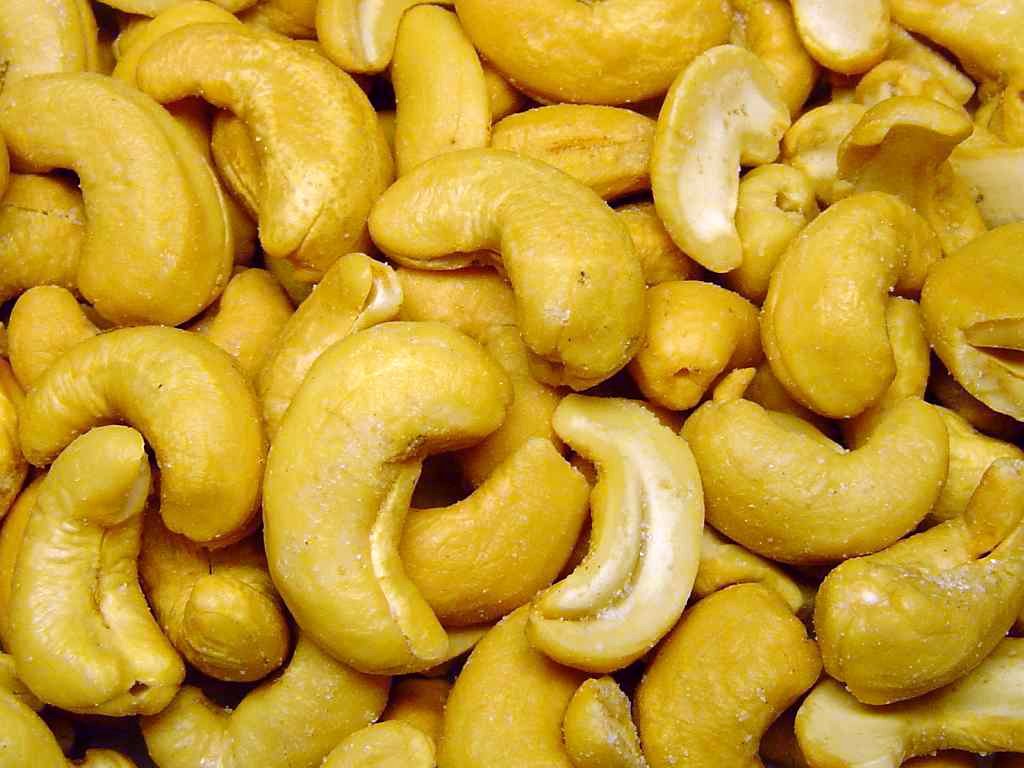
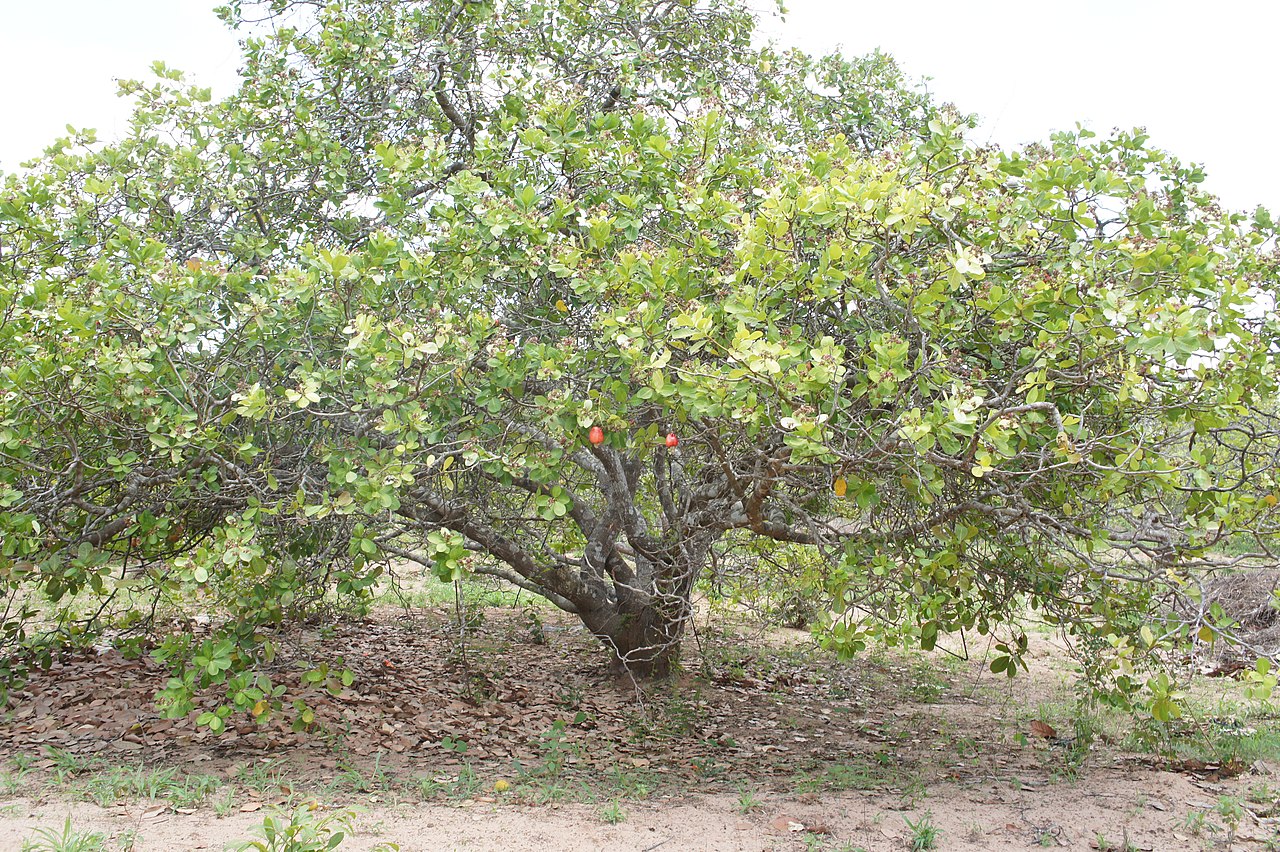
The cashew (Anacardium occidentale) is a small tropical tree valued for two distinct products: the edible seed commonly called the cashew nut, and the swollen stem base known as the cashew apple. The species belongs to the flowering plant family Anacardiaceae and is native to northeastern Brazil. It is now cultivated widely across tropical climates for both domestic consumption and export.
Image gallery
10 Images




Characteristics and parts
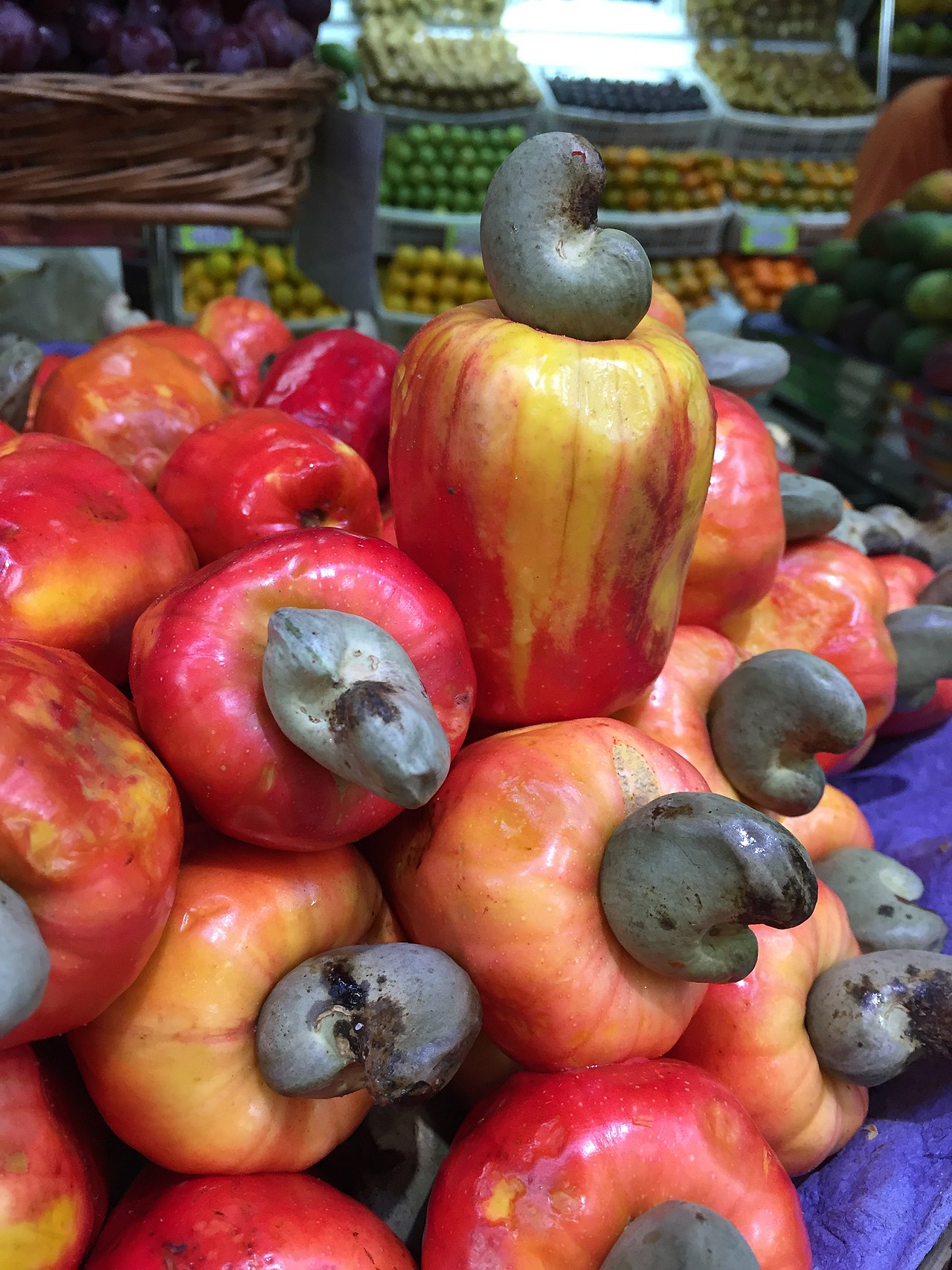
Cashew trees are evergreen, with glossy leaves, panicles of small flowers, and a distinctive fruiting habit. The visible "fruit" has two parts:
- Cashew apple: a swollen, pear-shaped receptacle that can be red, yellow, or orange and is juicy and perishable.
- Cashew nut: a kidney-shaped seed encased in a hard shell (the true fruit is the drupe attached beneath the apple).
History and cultivation
Originating in South America, cashew was spread by humans to other tropical regions beginning in the age of exploration. It adapts well to poor soils and seasonal climates and is grown in parts of Africa, Asia, and the Americas. Cultivation practices include planting seedlings or grafted stock, and managing harvests when apples and nuts ripen at different times.
Uses and processing
Cashew kernels are roasted, steamed, or otherwise processed to remove the shell and its toxic oils before consumption. Nuts are eaten raw, salted, or used in confectionery, cooking, and plant-based products. The cashew apple is consumed fresh, fermented into beverages, or processed into juices and preserves. The shell oil has specialized industrial applications in coatings and lubricants.
Health, safety and notable facts
Cashews are nutrient-dense but can trigger tree-nut allergies in sensitive individuals. Raw-sounding cashews are typically sold pre-roasted or steamed because the shell’s compounds are caustic. As a tropical crop with diverse uses, the cashew plays important roles in local food systems and international trade.
Related articles
Author
AlegsaOnline.com Cashew (Anacardium occidentale): tree, nut and fruit Leandro Alegsa
URL: https://en.alegsaonline.com/art/17401
Sources
- curiouscook.com : On food and cooking (see nuts and other oil-rich seeds chapter)
- joyofbaking.com : joyofbaking.com/other/glossaryCG.html