
Loganberry: history, characteristics, cultivation and uses
A tart, deep-red hybrid fruit produced by crossing raspberry and blackberry. Originating as an accidental cross in 1881, the loganberry is grown for fresh eating, preserves and flavoring.
The loganberry is a hybrid fruit that combines traits of raspberries and blackberries. Visually it resembles a long, deep-red to maroon aggregate fruit with a complex sweet-tart flavor often prized for preserves, juices and desserts. Botanists place it among the Rubus group of cane fruits and it is commonly described as a cross between raspberry and blackberry; for background on the raspberry lineage see raspberry.
Image gallery
5 Images


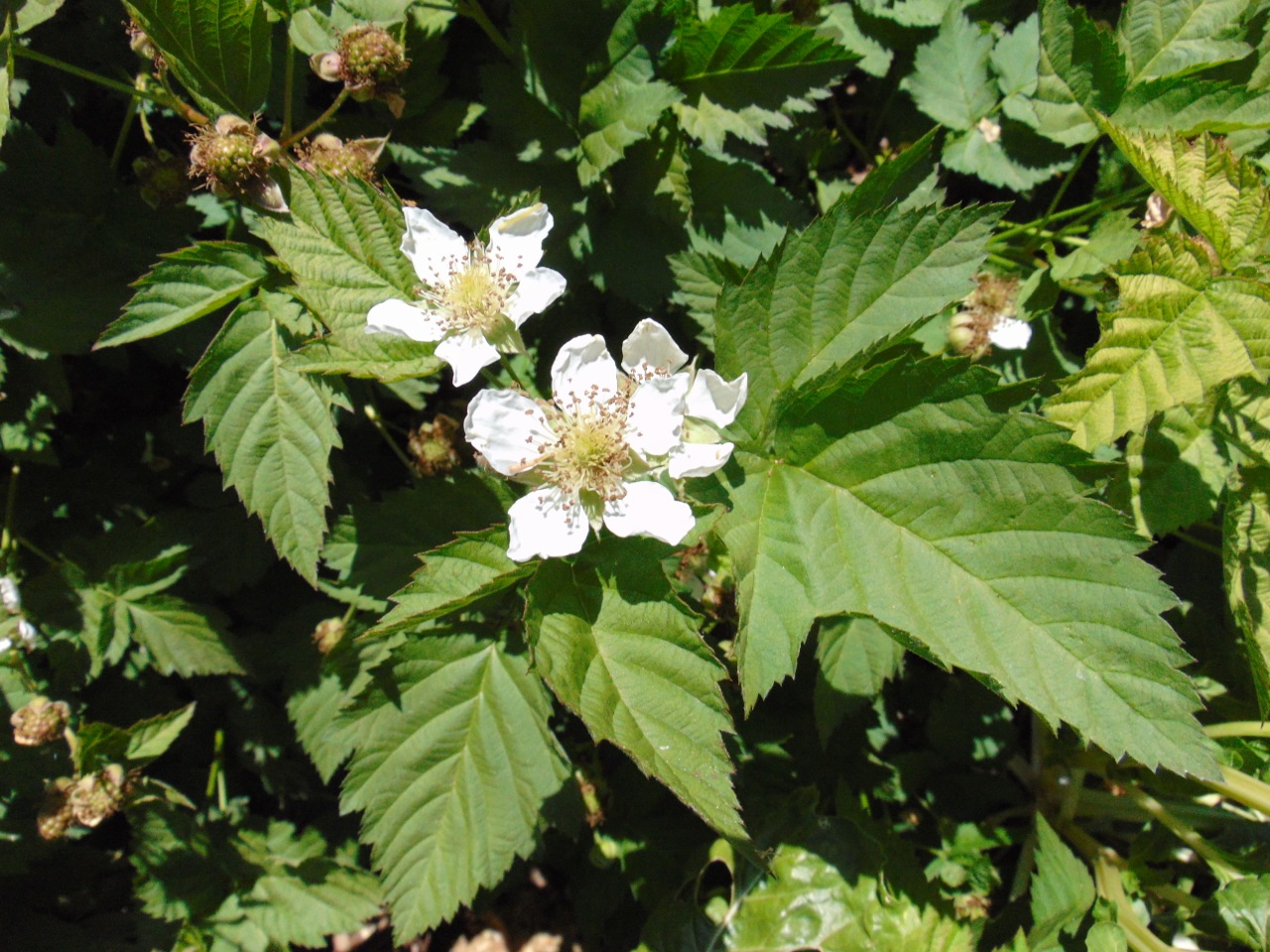
Origins and history
The plant originated as an unintended hybrid in the late 19th century. It was first recognized and cultivated by Judge James Harvey Logan, who observed the new fruit in California in 1881. The loganberry spread slowly from that point, entering trials and small-scale commercial plantings. It has remained more common in gardens and small farms than in large industrial agriculture, where other Rubus hybrids have sometimes replaced it.
Characteristics and cultivation
Loganberries grow on canes similar to other blackberries and raspberries. They tend to produce elongated, seedy drupelets, and the plants can be thorny or thornless depending on the selection. Cultivation practices resemble those for other cane fruits: a sunny site with well-drained soil, regular pruning of older canes, and support for heavy fruiting canes. They thrive in temperate climates and are often grown in home gardens, allotments and small farms.
Uses and culinary importance
The fruit is valued for its pronounced flavor balance of sweetness and acidity. Common uses include jams, jellies, pies, syrups, juices and flavoring for beverages and baked goods. Its intense color and robust taste make it suitable for preserves that benefit from long cooking. Loganberries are also used fresh when available but are most often processed.
Notable distinctions and varieties
- Often confused with other hybrids such as boysenberry and tayberry; each hybrid has different parentage and flavor profiles.
- Maintained mainly in local and specialty markets rather than widespread commodity production.
- Gardeners choose cultivars for thornlessness, yield or flavor intensity.
As a historically accidental hybrid with enduring culinary appeal, the loganberry occupies a niche between wild brambles and purpose-bred commercial raspberries and blackberries, prized for its distinctive taste and versatility in preserves and cooking.
Related articles
Author
AlegsaOnline.com Loganberry: history, characteristics, cultivation and uses Leandro Alegsa
URL: https://en.alegsaonline.com/art/58848
Sources
- jhered.oxfordjournals.org : "Blackberry—raspberry hybrids"
- wikidata.org : Q1505704
- species.wikimedia.org : Rubus loganobaccus
- id.biodiversity.org.au : 116864
- eol.org : 631540
- gd.eppo.int : RUBLO
- eunis.eea.europa.eu : 179582
- florabase.dpaw.wa.gov.au : 20495
- gbif.org : 2990630
- npgsweb.ars-grin.gov : 104968
- inaturalist.org : 417619
- ipni.org : 223266-2
- irmng.org : 10856023
- itis.gov : 506229
- data.nbn.org.uk : NHMSYS0000462765