
Galia melon — Israeli hybrid with green flesh, netted rind, and aromatic sweetness
Galia melon, an Israeli hybrid released in 1973, combines netted rind and pale green, aromatic sweet flesh. Small to medium, easy to grow in warm climates and prized for flavor and shelf life.
Galia melon (sometimes called sarda in parts of Southeast Asia) is a cultivated hybrid melon developed for a balance of aroma, sweetness and good postharvest quality. The variety originated from a deliberate cross between the green-fleshed cultivar Ha-Ogen and a netted-rind type called Krimka. Breeding work was carried out at the Neve Yaar Research Center of the Agricultural Research Organisation in Israel by Dr. Zvi Karchi; the fruit was released in 1973 and was named after Karchi’s daughter (her name is commonly translated as “God’s wave” in Hebrew).
Image gallery
2 Images
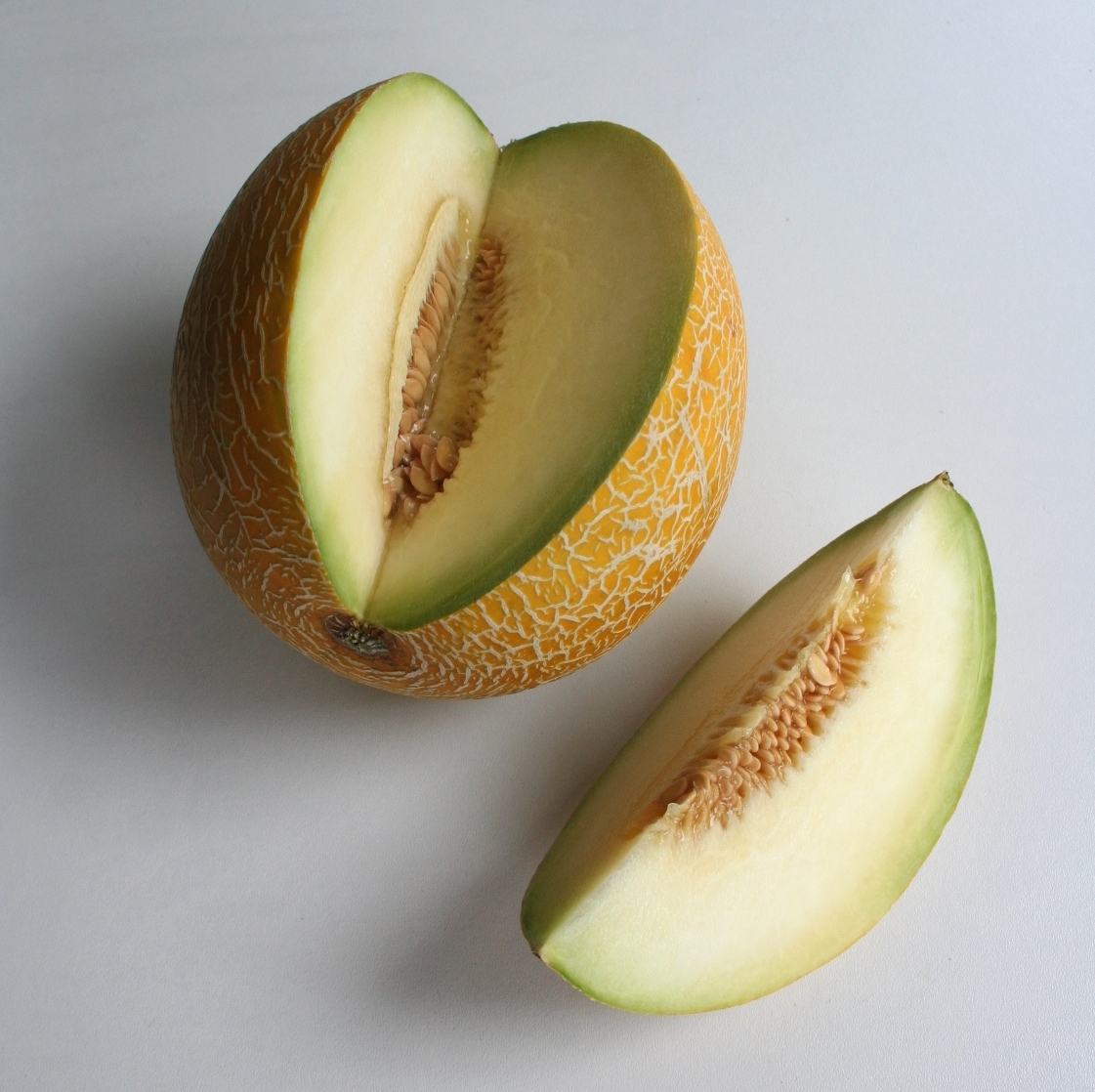
Description
The fruit is small to medium sized, typically rounded with a pronounced netted or rough-patterned rind. On the outside it can resemble a cantaloupe, while the inner flesh is pale green, similar in appearance to honeydew. A typical melon weighs around one kilogram (about 2.2 pounds). At maturity the rind changes from green to yellow, and ripe fruit are noted for a sweet aroma and flavor.
- Shape: generally rounded.
- Skin: netted/rough pattern that turns yellow at full ripeness.
- Flesh: green, sweet and fragrant.
- Average weight: about one kilogram.
Ripeness is commonly judged by the skin color shifting toward yellow and by the characteristic scent. After slicing, unused pieces should be wrapped and chilled to preserve taste and texture.
Cultivation and distribution
Galia melons are relatively easy to grow where the climate is warm and frost-free; they are cultivated commercially and in home gardens in many regions around the world. Production locations include North Africa, Latin America, parts of southern Europe and the Mediterranean, and some areas of the southern United States.
- Algeria
- Brazil
- Guatemala
- Portugal
- Spain
- Morocco
- Southern United States (select regions)
- Costa Rica
- Panama
- Honduras
- Greece
- Turkey
- Israel
- Egypt
Growers choose Galia for its marketable appearance, aromatic flesh and shelf life. Cultural requirements are similar to other melons: warm temperatures, well-drained soil and adequate moisture during fruit development, followed by drier conditions before harvest to improve flavor concentration.
Questions and answers
Q: What is the Galia melon?
A: The Galia melon is a hybrid melon that is a cross between the green-flesh melon cultivar 'Ha-Ogen' and the netted-rind melon cultivar 'Krimka'.
Q: Who developed the Galia melon?
A: The Galia melon was developed by Dr. Zvi Karchi at the Ne´ve Yaar Research Center of the Agricultural Research Organisation in Israel.
Q: When was the Galia melon released?
A: The Galia melon was released in 1973.
Q: Why was the Galia melon named after Karchi's daughter?
A: The Galia melon was named after Karchi's daughter, whose name means "God's wave" in Hebrew.
Q: What are the characteristics of a Galia melon?
A: Galia melons have a rounded shape, rough lines on the skin, are yellow when ripe, have a sweet taste and smell, and an average weight of one kilogram.
Q: How is the ripeness of a Galia melon measured?
A: The ripeness of a Galia melon is measured by the color of the skin when it starts turning from green to yellow.
Q: Where is the Galia melon grown?
A: Galia melons are grown in Algeria, Brazil, Guatemala, Portugal, Spain, Morocco, Southern US regions, Costa Rica, Panama, Honduras, Greece, Turkey, Israel, and Egypt.
Tags
Related articles
Author
AlegsaOnline.com Galia melon — Israeli hybrid with green flesh, netted rind, and aromatic sweetness Leandro Alegsa
URL: https://en.alegsaonline.com/art/37283
Sources
- news.ufl.edu : "02 » UF Develops Method To Grow Exotic Galia Muskmelons » University of Florida"
- melissas.com : "Galia Melon"
- oecdbookshop.org : (online)
- fshs.org : "Fruit yield, quality variables and powdery mildew susceptibility of Galia melon cultivars grown in a passively ventilated greenhouse"