
Raspberry (aggregate fruit): description, cultivation, uses
Comprehensive overview of the raspberry: botanical nature, key characteristics, cultivation and varieties, culinary and ecological uses, and distinctions from similar fruits.
The raspberry is a soft, edible fruit produced by several species of the genus Rubus. Botanically it is an aggregate fruit, formed from many small units called drupelets that cluster around a central core. When picked, most raspberries detach from their receptacle and leave a hollow center, a trait that distinguishes them at harvest and in culinary use. While the familiar ripe color is red, wild and cultivated raspberries can also be black, purple, or golden.
Image gallery
10 Images
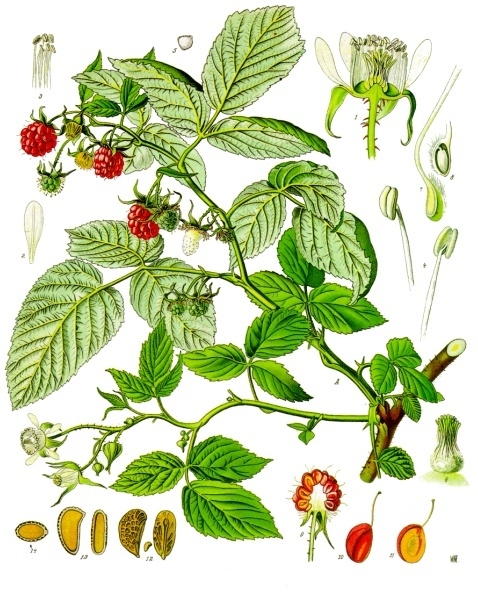


Physical characteristics
Each raspberry is composed of dozens of tiny drupelets—each one a small drupe with a seed—joined into a single mass. Leaves are typically pinnate with serrated edges and are used in herbal infusions; dried or fresh leaves are a traditional ingredient in some teas and home remedies. Raspberries produce nectar that attracts pollinators and supports local insect life, contributing to orchard ecology and honey production.
Varieties and cultivation
Numerous Rubus species and cultivated varieties exist, but only some are widely grown for market sale. Examples include temperate-climate types adapted to garden and commercial production. Growers manage raspberries using a cane system: canes may be biennial in habit, with first-year shoots (primocanes) and older fruiting canes (floricanes); modern breeding has produced cultivars that fruit on different cane ages to extend the harvest season. Cultural practices focus on site selection, pruning, pest management, and timely harvest to preserve the delicate fruit.
Uses, storage and nutrition
Raspberries are consumed fresh, frozen, turned into jams, sauces, desserts, and juices, and are common in both home kitchens and commercial products. They are a popular ingredient in beverages and processed foods, prized for their aromatic flavor and color. Leaves are used in herbal teas and infusions as well (leaf infusions). Because the fruit is tender and perishable, it is usually hand-harvested and quickly cooled; refrigeration and freezing extend shelf life for retail and culinary use. Raspberries are also a source of nectar and pollen for bees and other pollinators (pollinator resources), and they are commonly pressed into juices and concentrates (juice products).
Distinctions, history and notable facts
Raspberries are often called berries in everyday language but are botanically different from true berries; their aggregate-drupelet structure explains the hollow fruit when picked. They are closely related to blackberries; one practical difference is that blackberries usually retain the central receptacle when picked, while raspberries do not, resulting in the hollow core. Historically they have been cultivated for centuries in temperate regions and remain a favored small fruit in home gardens and commercial plantings. For information on species diversity and taxonomy, see further resources on raspberry types (species overview).
Practical considerations
- Harvesting: ripe raspberries are best picked by hand to avoid damage.
- Storage: keep cool and use quickly; freezing preserves flavor for later use.
- Pest and disease management: common problems include fungal rots and cane diseases; good airflow and sanitation help reduce risk.
- Market: fresh and processed raspberries are valued for flavor, color, and culinary versatility (ripe fruit color).
For practical guides on growing, harvesting, and using raspberries, consult horticultural and culinary resources that address local varieties, climate adaptations, and seasonal management (planting basics, varietal choices).
Related articles
Author
AlegsaOnline.com Raspberry (aggregate fruit): description, cultivation, uses Leandro Alegsa
URL: https://en.alegsaonline.com/art/81238