
Pear (fruit): description, varieties, cultivation and uses
Pears are temperate tree fruits with a distinct teardrop shape. This article covers their appearance, varieties, cultivation, ripening, culinary uses, nutrition and botanical relationships.
Overview
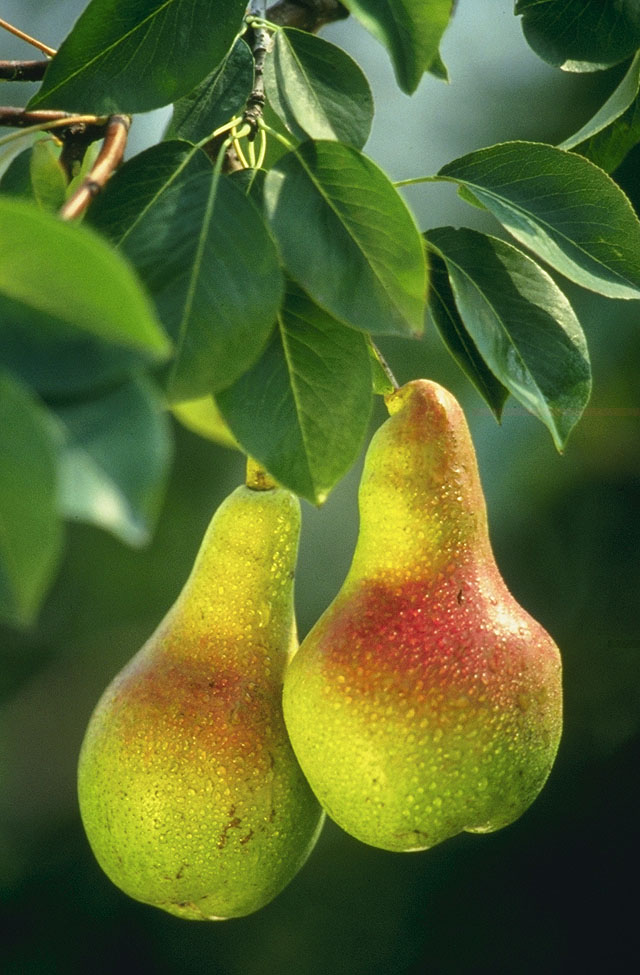
Pears are edible fruits produced by trees of the genus Pyrus. Typically pyriform (teardrop-shaped) but sometimes round, pears are valued for their juicy flesh and mild, sweet flavor. They are harvested from late summer into autumn in the Northern Hemisphere and are often picked firm and allowed to soften off the tree. The flesh ranges from very fine-grained to slightly gritty due to small stone cells (sclereids) that give some varieties a characteristic texture.
Image gallery
10 Images



Characteristics and anatomy
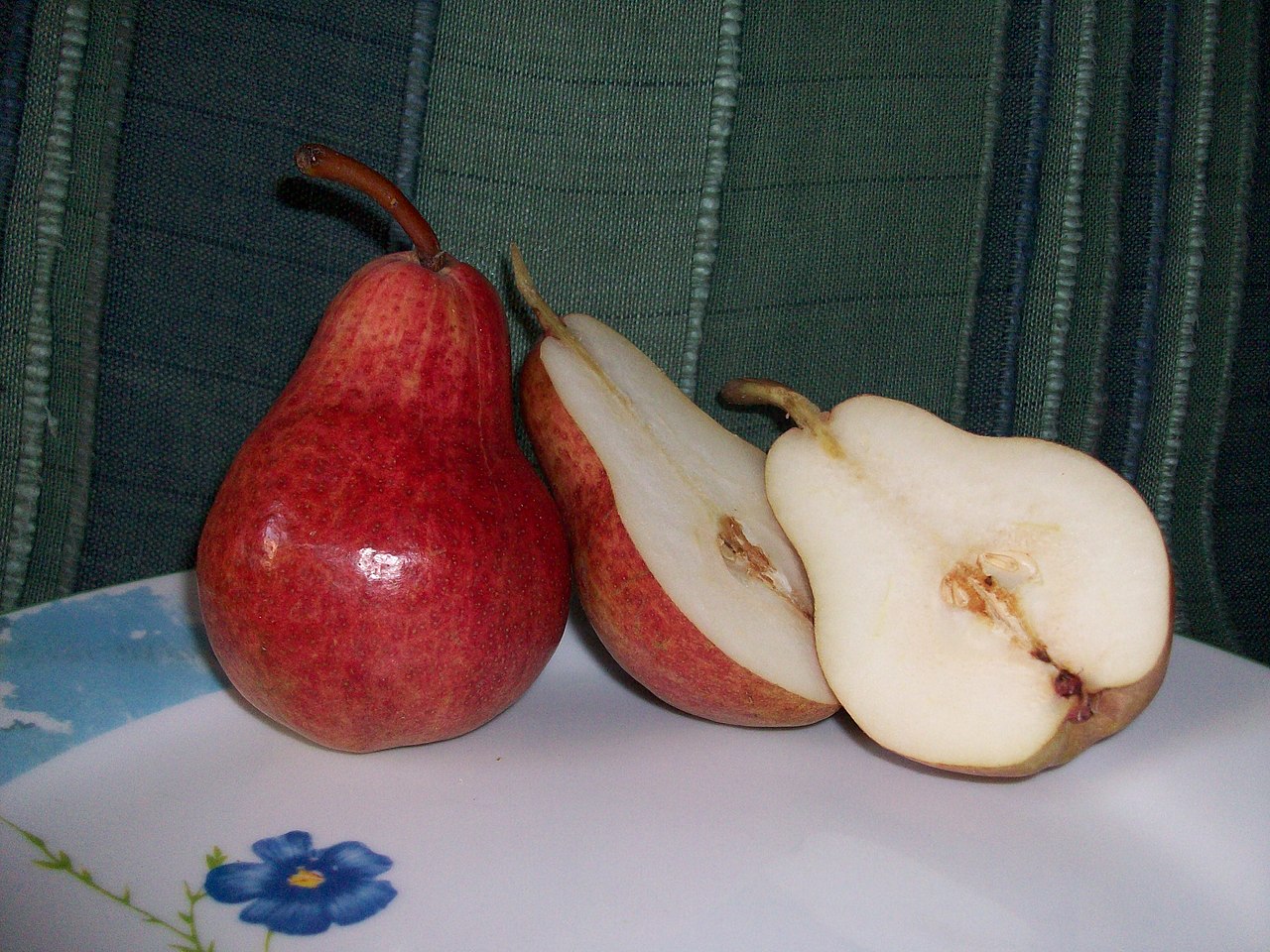
Pear fruits usually have a narrow neck and wider base; skin can vary in thickness and color. Common skin colors include green, red, yellow and brown, and the outer covering is referred to as the skin. A typical pear is mostly water (around 80–85 percent) and provides dietary fiber, vitamin C and potassium. The central core contains small seeds that are usually removed before eating or processed along with the fruit when making products.
Varieties and cultivation
There are many cultivated pear varieties adapted to different climates and uses. Well-known types include Bartlett (Williams), Bosc, Anjou and Comice, which differ in texture, sweetness and storage life. Pear trees are native to temperate regions of Europe, North Africa and Asia and grow best where winters provide dormancy and summers are warm but not excessively hot. They tolerate a range of soils, including heavier ground, and are grown commercially in orchards with pruning and pest management to ensure good fruit quality.
Harvesting, ripening and storage
Pears are commonly harvested when mature but still firm; many varieties ripen unevenly on the tree and are better allowed to soften off-tree at room temperature. Refrigeration slows ripening and prolongs storage, and controlled-atmosphere storage is used for long-term commercial keeping. Gardeners and growers judge maturity by size, background color, or a gentle twist test rather than full softness, since overripe pears can become mealy.
Uses and food preparation
Pears are eaten fresh and are widely used in cooking and processing. They can be baked, canned, dried, frozen, or pureed for baby food. Common processed forms include jams, jellies, juice and perry (a fermented pear beverage). Pears are also popular in desserts such as pies, and pair well with nuts and cheeses in salads. Culinary choice depends on variety: firmer pears are preferred for baking, while softer, sweeter types suit fresh eating.
Botanical relationships, history and notable facts
Pears belong to the rose family and are traditionally placed within the subfamily Maloideae (also treated as the tribe Maleae) of the family family Rosaceae, making them close relatives of apples. The genus Pyrus includes several wild species that contributed to cultivated varieties through selection and hybridization over centuries. Pears have been cultivated for thousands of years in Eurasia and were later introduced to the Americas. They remain an important fruit crop globally for fresh markets and processing industries.
- Common culinary forms: fresh, canned, dried, juiced, fermented.
- Typical harvest season: late summer to autumn (Northern Hemisphere).
- Storage tip: pick mature but firm fruits and allow to ripen at room temperature; refrigerate to slow ripening.
For more on recipes and preservation, see sources on fruit processing and culinary uses linked above.
Questions and answers
Q: What is a pear?
A: A pear is a teardrop-shaped fruit that grows on a tree in the Northern Hemisphere and can be harvested from late summer to October.
Q: What is the best way to eat a pear?
A: The flavor of pears is best when they are cool, so it is recommended to eat them chilled.
Q: Do pears ripen well on trees?
A: Pears do not ripen well on trees, so they are usually harvested when they are mature but not fully ripe, and then left to ripen off the tree.
Q: What are some ways to use pears in cooking?
A: Pears can be baked, canned, frozen, or eaten fresh. They can be made into jams, jellies or juice. They can also be made into pies and put into salads or baby food.
Q: What is the water content of a pear?
A: Pears are eighty-three percent water.
Q: Where did pears originate?
A: Pears originated from Europe, Africa, and Asia.
Q: What family do pears belong to?
A: Pears belong to the subfamily Maloideae, which is a subfamily of the family Rosaceae, along with apples.
Related articles
Author
AlegsaOnline.com Pear (fruit): description, varieties, cultivation and uses Leandro Alegsa
URL: https://en.alegsaonline.com/art/75353
Sources
- britannica.com : "pear - tree and fruit"
- usapears.com : "Pear Varieties"
- books.google.com : A History of Food