
Yuzu: an East Asian citrus fruit and its uses
Yuzu (Citrus junos) is a fragrant East Asian citrus used in cooking, condiments, and fragrances. It is valued for its aromatic rind and tart juice and has distinct culinary and cultural roles in Japan and Korea.
Yuzu (Citrus junos) is a small, highly aromatic citrus fruit and the tree that bears it. Native to parts of East Asia, yuzu produces a knobbly, thin-skinned fruit that ripens from green to yellow. It is most prized for the fragrance of its peel and the tart, floral character of its juice, rather than for plentiful pulp or sweet flesh.
Image gallery
9 Images






Appearance and botanical notes
Yuzu looks roughly like a small, uneven grapefruit or mandarin and often has a bumpy rind. The fruit typically measures only a few centimetres across and contains few seeds and relatively little juice. Botanically it is classified in the citrus group and is commonly referred to by its scientific name, though many cultivated varieties and hybrids exist. The tree is thorny and slow-growing, with glossy evergreen leaves.
Characteristics and sensory profile
- Aroma: intensely floral and citrusy, with notes that some compare to bergamot or lime.
- Flavor: tart and slightly sour; sharper and more floral than a lemon.
- Rind: highly aromatic; the zest is used widely in cooking and perfumery.
- Juice: modest in quantity and used sparingly as a finishing acid.
History and cultivation
Yuzu is believed to have originated in central China or Tibet and was introduced to Japan and Korea centuries ago. It has been cultivated for culinary and medicinal uses in those regions for a long time. Commercial production is concentrated in Japan and Korea, where many regional varieties are grown, but the fruit is also cultivated on a smaller scale in other temperate areas outside Asia.
Culinary and cultural uses
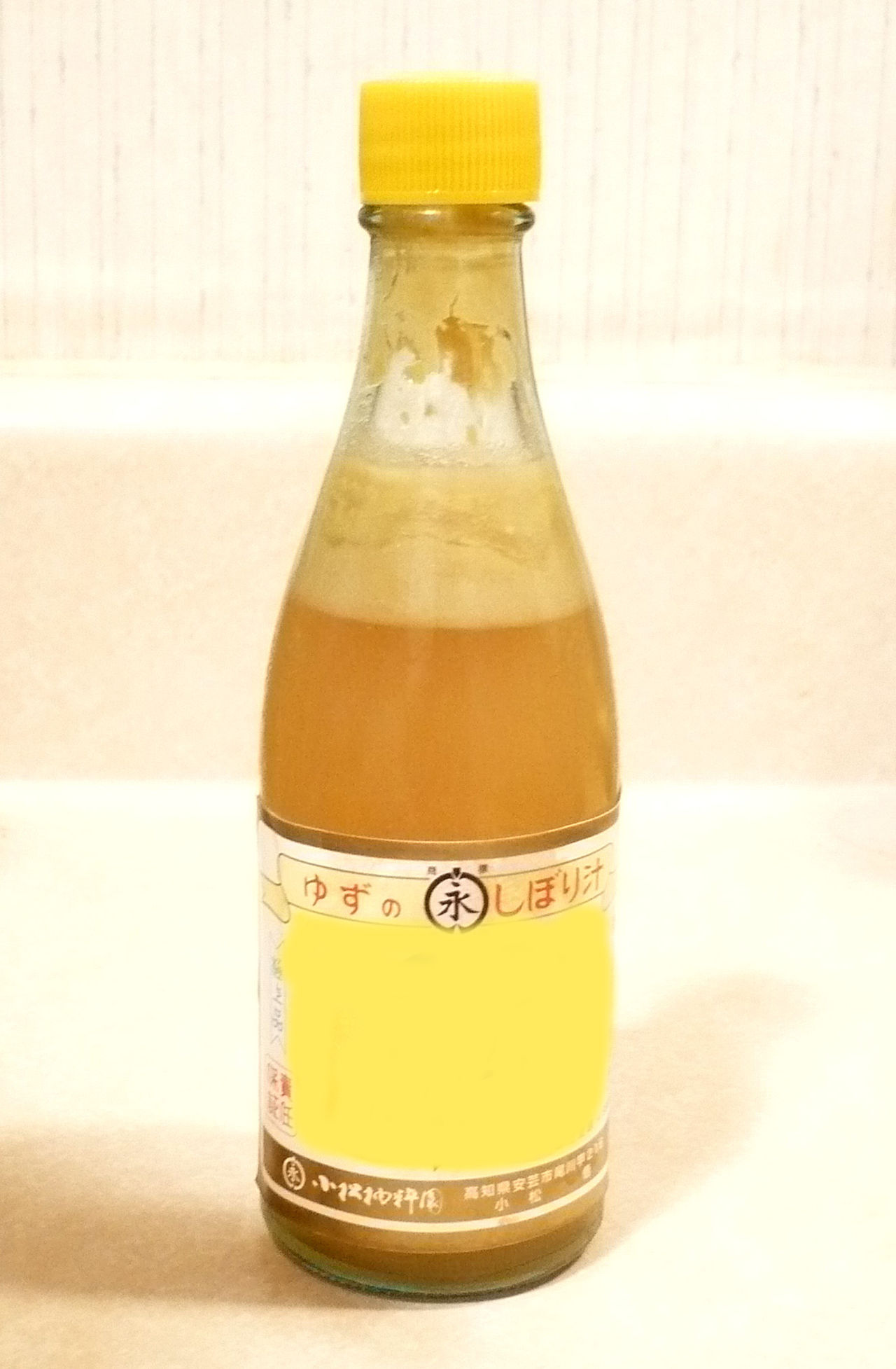
In Japanese and Korean cuisines, yuzu is both a flavoring and a cultural ingredient. The peel is zested into dressings, sauces and sweets; the juice is added sparingly to soups, ponzu, marinades and beverages. Popular preparations include yuzu kosho (a spicy paste made from yuzu zest, chili and salt), yuzu ponzu (a citrus-based sauce), and yuzu tea or cordial. Chefs prize yuzu for its ability to add an aromatic lift without overwhelming a dish, often used much like a concentrated lime or bergamot.
Other uses and notable facts
- Yuzu oil and extract are used in perfumery, cosmetics and aromatherapy because of their distinctive scent.
- Traditional customs in Japan include yuzu baths in winter, where whole fruits are floated in hot water for fragrance.
- Although sometimes likened visually to a grapefruit or lemon, its aroma and taste set it apart from common citrus fruits.
For more botanical or culinary information about the plant itself, see resources on the yuzu plant. The fruit’s concentrated aroma makes it more valuable for zest and essential oils than as a table fruit, and its growing popularity has led to wider availability in specialty markets and as an ingredient in modern cuisines.
Related articles
Author
AlegsaOnline.com Yuzu: an East Asian citrus fruit and its uses Leandro Alegsa
URL: https://en.alegsaonline.com/art/110283