
Tamarillo (tree tomato): description, origins, cultivation and uses
Tamarillo (Solanum betaceum) is an egg‑shaped, tangy fruit from a small tree in the nightshade family, native to the Andes and grown in subtropical regions for fresh eating, sauces and preserves.
Overview
The tamarillo, often called the tree tomato, is a small tree or shrub in the nightshade family Solanaceae. Its edible, egg-shaped fruit—also called tamarillo—typically measures about 4–10 centimetres in length and appears in shades from deep red to orange, yellow or purple. The flesh is juicy and tangy with a flavour sometimes compared to tomato but more acidic and less sweet; the thin skin can be bitter and is commonly peeled before use.
Image gallery
10 Images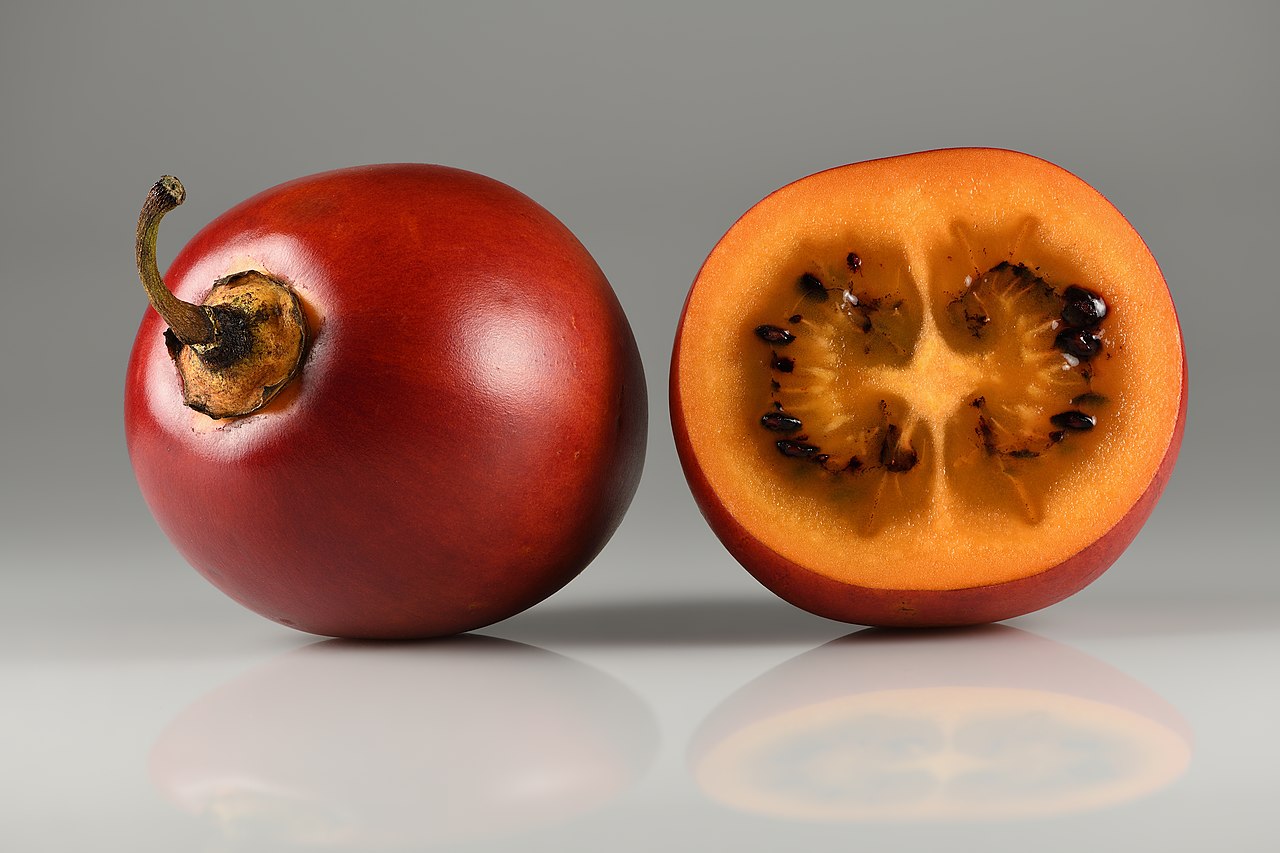



Botanical characteristics
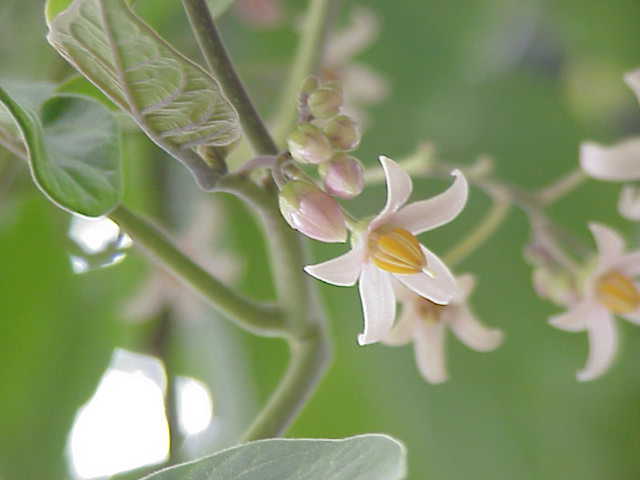
The species is usually referred to as Solanum betaceum. Plants produce woody stems and large, simple leaves; flowers are small, star-shaped and similar to those of related nightshades. Each fruit contains many small, gelatinous seeds dispersed throughout the pulp. Left unpruned, plants may reach several metres in height but are often maintained as multi-stemmed shrubs in cultivation.
Native range and history
The tamarillo originated in the highland valleys of the Andes and is native to parts of the Andean region. It is associated with countries of the Andes such as the Andean corridor including Ecuador, Colombia, Peru, Chile and Bolivia. From there it spread to subtropical and mild‑temperate areas worldwide where it is cultivated both commercially and in gardens.
Cultivation and propagation
Tamarillo is grown from seed or cuttings and establishes quickly in frost-free climates. Plants prefer well-drained soil and moderate water; they tolerate a range of elevations but are sensitive to hard frost and prolonged cold. Pruning encourages branching and fruiting. Commercial growers select cultivars for fruit colour, acidity and yield; home gardeners may choose dwarf strains or container-suitable types.
Pests, diseases and management
Common problems include fungal leaf spots and occasional insect pests typical of solanaceous crops. Good sanitation, appropriate spacing for air circulation and prompt removal of diseased material reduce disease pressure. Integrated pest management combining cultural controls and selective treatments is advised for productive plantings.
Harvesting, storage and processing
Fruit is harvested when colour is fully developed and the fruit detaches easily. Ripe tamarillos store for short periods under cool conditions and can be processed into sauces, chutneys, jams and purees. Peeling is often performed by blanching or by cutting and scooping the pulp; cooked preparations mellow acidity and concentrate flavour.
Culinary uses and nutrition
Tamarillo is eaten fresh, often after peeling, and is used in sweet and savory recipes. It makes bright sauces for meats and fish, fruit preserves, salads, salsas and desserts where sugar and seasoning balance the natural acidity. The fruit is low in calories and is a source of vitamin C, provitamin A compounds and dietary fibre from pulp and seeds.
Varieties and significance
Varieties differ in colour, size and taste: red types are common, while orange and yellow cultivars are valued for milder acidity. The plant is sometimes grown as an ornamental for its foliage and vividly coloured fruit. For further botanical background and horticultural guidance consult family overviews and regional resources: Solanaceae overview, general fruit descriptions at fruit pages, and regional accounts for the Andean origin (Andes, Ecuador, Colombia, Peru, Chile, Bolivia).
Related articles
Author
AlegsaOnline.com Tamarillo (tree tomato): description, origins, cultivation and uses Leandro Alegsa
URL: https://en.alegsaonline.com/art/96182