
Banana: botany, cultivation, uses, and cultural importance
Comprehensive overview of the banana (genus Musa): botany, varieties (dessert vs plantain), cultivation and propagation, uses in food and industry, diseases, trade and cultural roles worldwide.
Overview
The term banana refers both to the elongated, often sweet edible fruit and to the herbaceous plants that produce it. These plants belong to the genus Musa, native to Southeast Asia and nearby islands. It is widely accepted that some bananas were first cultivated as food in regions such as Papua New Guinea, and from there human movement spread planting material across the tropics.
Image gallery
10 Images





Botanical characteristics
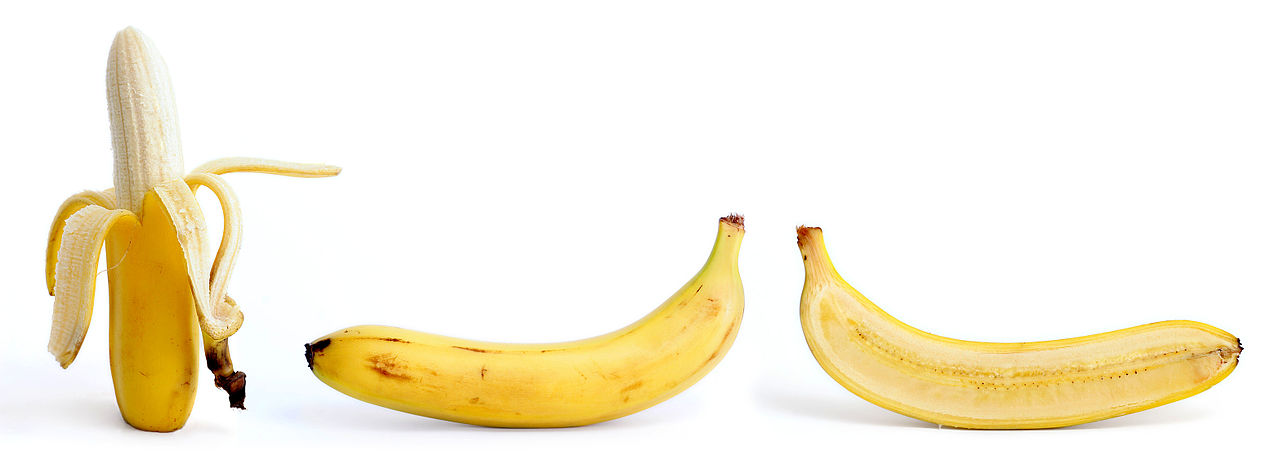
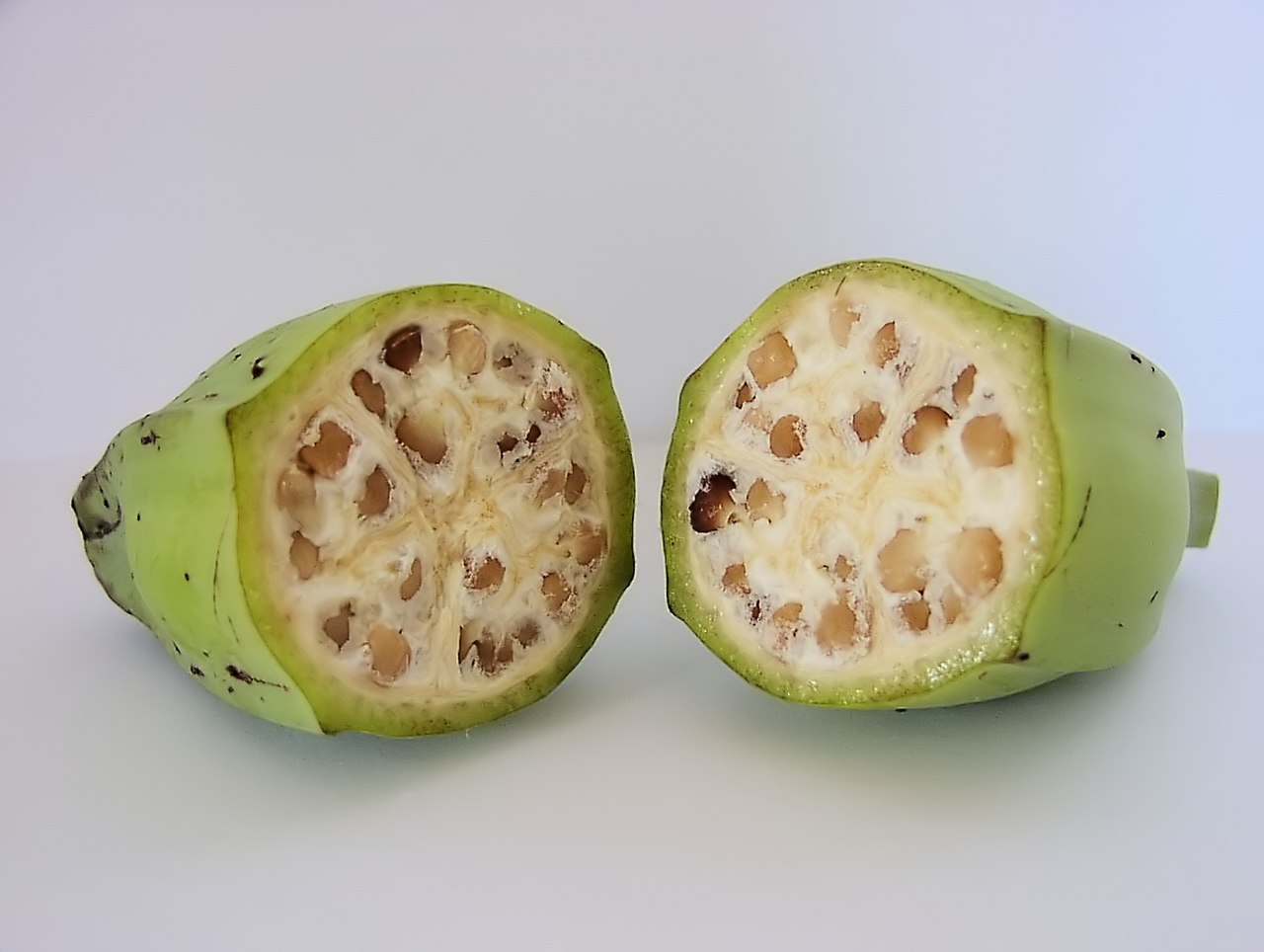
Banana plants are large perennial herbs with a pseudostem formed by leaf sheaths; what looks like a trunk is not woody. The edible portion is botanically a type of berry. Many cultivated varieties are sterile, seedless and propagated vegetatively by suckers or tissue-culture plantlets. Some cultivars are selected for fruit that is sweet and soft, commonly eaten raw, while others are firmer and more starchier.
Varieties and classification
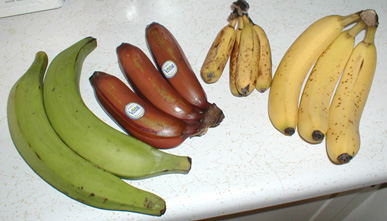
Within the genus Musa there are many species and numerous named cultivars. In everyday usage, a distinction is often made between dessert bananas and plantains. Dessert bananas are eaten raw when ripe; plantains are usually cooked and used like a staple starch in many cuisines. The term cultivar describes human-selected forms important in trade and local diets.
Cultivation and propagation
Bananas are grown in tropical and some subtropical regions and are commonly integrated into smallholder systems and larger plantations. Plants may be propagated from suckers or from tissue culture to maintain uniformity. In agroforestry systems, bananas are often planted to provide shade for understory crops such as coffee, cocoa, nutmeg or black pepper, improving microclimates and diversifying farm output.
Uses
Bananas have a wide range of culinary and non-food uses. Dessert types are eaten raw; plantains are typically boiled, fried or roasted. Some cultivars are used to make alcoholic beverages, for example traditional beer produced by fermenting banana juice in parts of Africa. Fibres from pseudostems can be processed into textiles or cordage, and banana ash has been used in traditional soap-making and other domestic applications. Ornamental banana plants are also cultivated for landscape value.
Economic and cultural importance
In popular culture and global commerce, bananas are a widely recognized fruit and an important source of income and nutrition for millions. Because many commercial cultivars are genetically similar, producers face challenges from pests and diseases, and breeding and research aim to improve resistance and sustainability. Bananas also feature in local ceremonies, folklore and art where they are grown.
Challenges and research
Major challenges for banana production include fungal diseases, pests and the need to conserve genetic diversity of wild and cultivated types. Ongoing research focuses on breeding, disease management and more sustainable cropping systems to support both smallholders and export industries while preserving the plant's biological diversity and cultural values.
Across disciplines, the banana remains significant as a staple food, a traded commodity and a cultural symbol, with uses that extend beyond nutrition to industry, ornament and ecosystem services.
For further reading on taxonomy and regional cultivation practices, see resources linked in the text above.
Related topics mentioned: ornamental, fibres, and traditional uses in local agriculture and industry.
Additional references are indicated by the anchor links throughout this article.
Questions and answers
Q: What is the common name for a type of fruit?
A: The common name for a type of fruit is banana.
Q: Where are bananas native to?
A: Bananas are native to the tropical region of southeast Asia.
Q: How many different species of banana exist?
A: There are about 110 different species of banana.
Q: What kind of bananas are usually referred to in popular culture and commerce?
A: In popular culture and commerce, "banana" usually refers to the soft and sweet kind, also known as dessert bananas.
Q: Are plantains mostly used for cooking or fibre?
A: Plantains are mostly used for cooking or fibre.
Q: Can beer be made from certain cultivars of banana in Africa?
A: Yes, beer can be made by fermenting the juice of certain cultivars in Africa, known as beer bananas.
Q: What other plants can be found growing near banana plantations?
A: Other plants that can often be found growing near banana plantations include coffee, cocoa, nutmeg or black pepper - plants that like shade.
Related articles
Author
AlegsaOnline.com Banana: botany, cultivation, uses, and cultural importance Leandro Alegsa
URL: https://en.alegsaonline.com/art/8653
Sources
- apscience.org.au : "Tracing antiquity of banana cultivation in Papua New Guinea"
- agroforestry.net : agroforestry.net
- unctad.org : "Uses of Musa"
- rhs.org.uk : Yes, we have more bananas
- simple.wiktionary.org : published
- hort.purdue.edu : "Banana from ''Fruits of Warm Climates'' by Julia Morton"
- bananaplants.net : Banana Plant Growing Info · webcitation.org
- kukr.lib.ku.ac.th : kukr.lib.ku.ac.th
- nutritiondata.self.com : "Nutrition Facts for raw banana, one NLEA serving, 126 g"
- faostat.fao.org : "FAOSTAT: ProdSTAT: Crops"
- unctad.org : "Banana Exports from Latin America and the Caribbean: The Market, the Evolving Policy Framework, and Development Options"
- unctad.org : "Banana production 2003-2006"
- foodallergens.ifr.ac.uk : ""The Informall Database: Communicating about Food Allergies - General Information for Banana""