
Fig (Ficus): Fruit, Botany, Uses and Cultural Significance
Overview of the fig (genus Ficus): its botany, varieties, pollination by fig wasps, cultivation in warm climates, culinary uses (fresh, dried, jam, snacks) and nutritional/cultural notes.
Overview
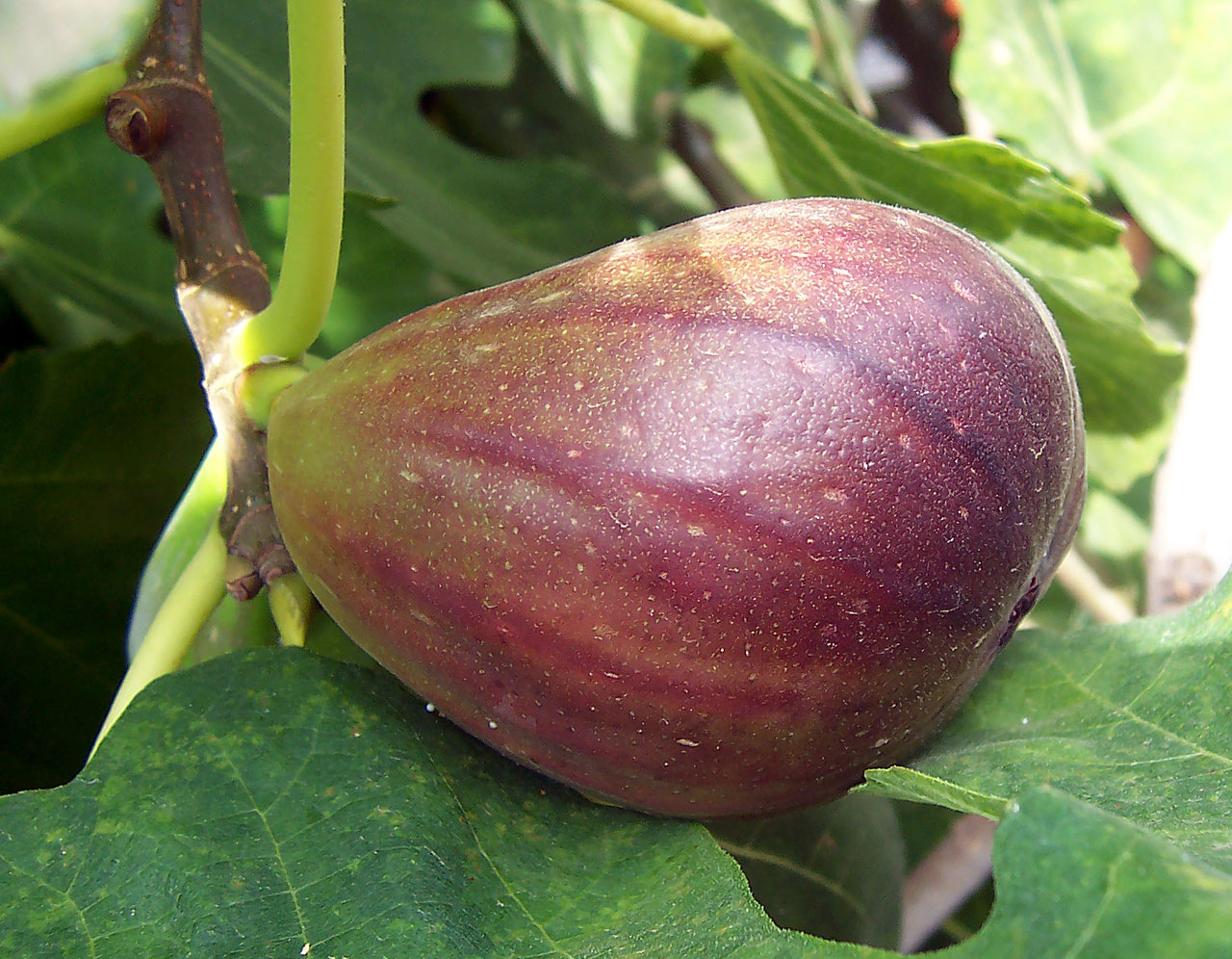
The fig is the edible fruit produced by trees and shrubs of the genus Ficus. Often eaten fresh or dried, the fig is recognized for its soft, sweet flesh and thin exterior skin. As a fruit product, it contains many small crunchy seeds embedded in the interior. Botanically and horticulturally diverse, the Ficus genus includes more than 850 species, many of which are commonly called fig trees (fig tree) or associated plants (species).
Image gallery
10 Images




Botanical characteristics and pollination
What is commonly called a fig fruit is technically a closed inflorescence (a syconium) that houses numerous tiny flowers on its inner surface. This unusual structure requires a specialized pollination system: most edible figs depend on tiny fig wasps in an obligate mutualism. The wasps enter the syconium, pollinate the internal flowers, and in turn use it as a place to reproduce. This relationship is one of the more distinctive examples of coevolution in plants.
History, cultivation and climate
Figs have a long history of cultivation in Mediterranean and subtropical regions and were among the earliest domesticated fruit crops. They are typically grown in warm climates with mild winters and hot summers, though some varieties tolerate cooler conditions. Many growers harvest figs for immediate fresh consumption, while others process them into dried fruit or preserves.
Uses and culinary examples
- Fresh eating: ripe figs are eaten raw when soft and sweet.
- Dried figs: drying concentrates sugars and preserves the fruit for storage and transport.
- Preserves and baking: figs are used in jams, compotes, tarts and confections.
- Commercial products: fig-filled bars and pastries are a common popular snack.
Nutritional and cultural notes
Figs provide dietary fiber and naturally occurring sugars, along with small amounts of minerals and antioxidants; they are valued both for flavor and texture. In many cultures figs also carry symbolic or historical importance and appear in traditional medicine and religious texts. Consumers should be mindful of their sugar content when including them in calorie- or carbohydrate-controlled diets.
Varieties and distinctions
While the common edible fig is widely grown for fruit, the Ficus genus also contains numerous ornamental and ecological species. Distinctions include differences in fruiting habits (single vs. multiple crops per year), size, color and suitability for fresh eating versus drying. Home gardeners and farmers choose varieties based on climate tolerance, intended use, and pollination requirements.
For further botanical detail and cultivation resources consult specialized horticultural guides or regional extension services (Ficus genus overview, fruit information, skin and texture, seed structure, species list, fig tree care, climate guidance, culinary uses).
Questions and answers
Q: What is fig?
A: Fig is a soft, sweet fruit with a thin skin and many seeds inside.
Q: How many kinds of Ficus are there?
A: There are more than 850 kinds of Ficus, the fig tree.
Q: How can figs be consumed?
A: Figs can be eaten when ripe or dried. They are also made into jam and used as a popular snack.
Q: What kind of climate is suitable for growing figs?
A: Figs grow in warm climates.
Q: How are figs pollinated?
A: Figs are pollinated by fig wasps.
Q: What kind of seeds are found inside figs?
A: Figs have many small seeds inside their thin skin.
Q: What is the texture and taste of fig?
A: Fig is soft and sweet in taste.
Related articles
Author
AlegsaOnline.com Fig (Ficus): Fruit, Botany, Uses and Cultural Significance Leandro Alegsa
URL: https://en.alegsaonline.com/art/34256
Sources
- figs4fun.com : Figs4fun.com
- mandarintools.com : Chinese-English Dictionary
- mandarintools.com : Fig · webcitation.org
- waynesword.palomar.edu : Armstrong, Wayne P. and Steven Disparti. 1998. A key to subgroups of dioecious (gynodioecious) figs.
- books.google.com : Plant diversity and complexity patterns: local, regional, and global dimensions:
- jstor.org : Jstor.org
- dx.doi.org : 10.1098/rspb.2005.3249
- rspb.royalsocietypublishing.org : rspb.royalsocietypublishing.org/content/272/1581/2593.full.pdf html