
Redcurrant (Ribes rubrum): description, uses and cultivation
Redcurrant (Ribes rubrum) is a small, tart berry from a deciduous shrub native to western Europe. Used fresh or cooked in jams, sauces and beverages; grown in gardens and orchards.
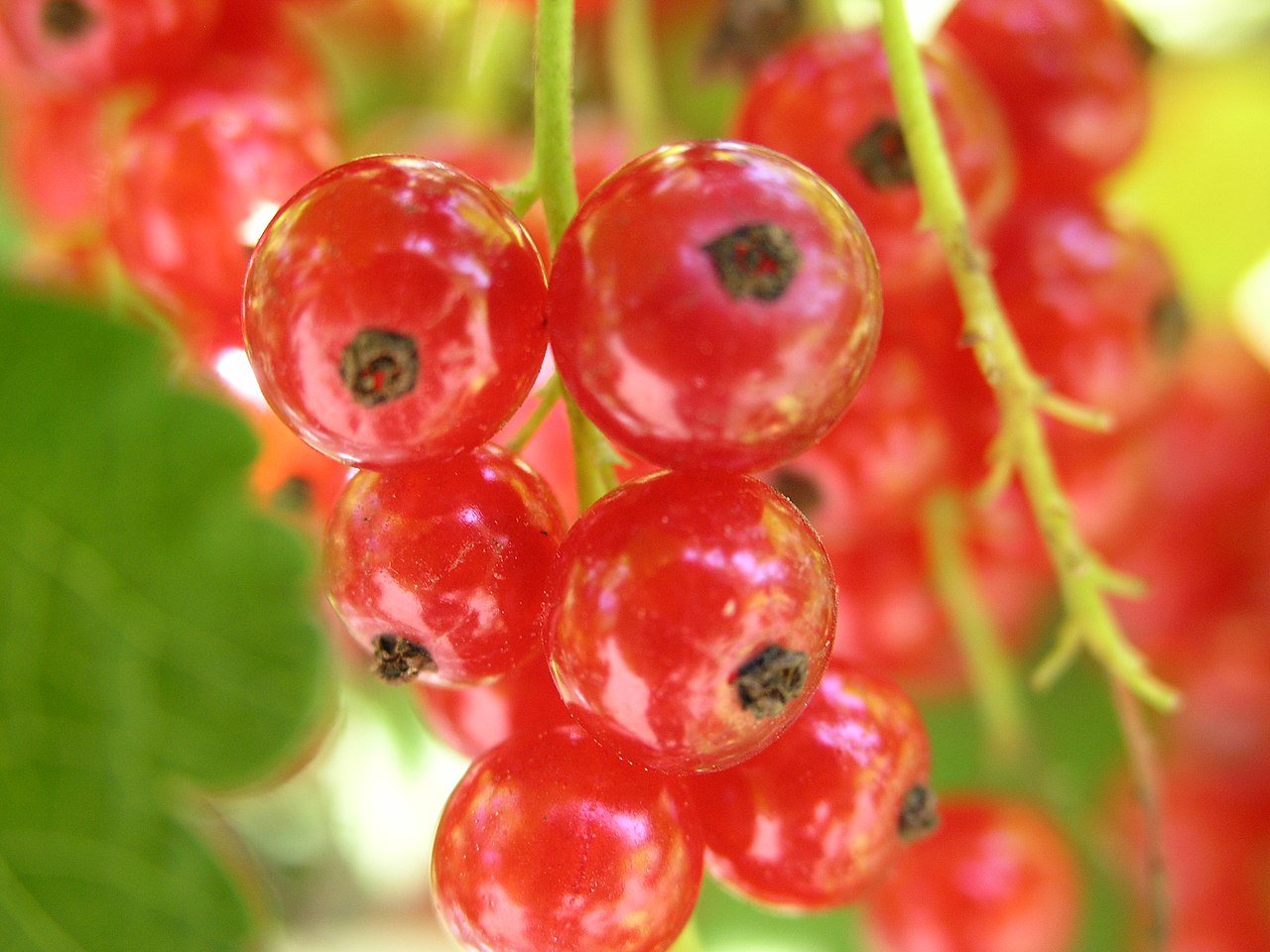
The redcurrant is the bright red, translucent berry produced by the shrub Ribes rubrum. It belongs to the same genus as the blackcurrant — a related but distinct species — and is valued for its tart flavor and decorative clusters. For a general introduction to the fruit itself see this entry on the fruit, for the closely related blackcurrant see blackcurrant, and for information about the genus as a whole see Ribes.
Image gallery
5 Images



Distribution and origin
Redcurrants occur wild and in cultivation across parts of western and central Europe. Natural populations can be found in countries such as France, Belgium, the Netherlands, Germany and regions of northern Italy. Over centuries gardeners and farmers have selected strains for larger fruit, sweeter taste, or paler "white" and pink variants that are technically cultivars of the same species.
Characteristics
Redcurrant shrubs are deciduous and typically form low, bushy plants. The berries grow in drooping clusters (racemes) and are smooth, glossy and translucent, with a bright red color when ripe. Key features include:
- Small spherical berries borne in pendulous clusters.
- Tart, tangy flavor with relatively high acidity and a light, fruity aroma.
- Several cultivated varieties and a paler form commonly called the white currant.
Because the flavor is tart rather than richly aromatic, redcurrants are often used in cooked preparations where sugar or other ingredients balance their sharpness.
Uses and culinary importance
Redcurrants are versatile in the kitchen. Common uses include:
- Jams, jellies and fruit preserves — the natural pectin content helps set products.
- Sauces and glazes for desserts and for savory meats such as lamb, pork or game.
- Fresh eating when sweetened, and as a colorful garnish in salads or desserts.
- Beverages: syrups, cordials, and infused liqueurs or wines.
They are also appreciated in home gardens and small-scale orchards for their early summer fruit and ornamental value.
Cultivation, history and notable facts
Redcurrants have been cultivated in Europe for many generations and remain a traditional fruit in northern and central European cuisines. They grow best in cool temperate climates, in well-drained soil and locations with some afternoon shade in hotter areas. Propagation is commonly by hardwood cuttings or layering, and plants respond well to pruning to maintain airflow and fruiting wood.
Distinctions worth noting: compared with the blackcurrant, redcurrants are generally tarter and less intensely aromatic; white currants are simply pale-fruited forms of the same species rather than a separate species. Like other small fruit crops, redcurrants can be affected by common pests and fungal diseases, so routine care and inspection are part of successful cultivation.
For further reading about the fruit and its varieties consult specialist horticultural sources or regional guides to small fruit cultivation.
Related articles
Author
AlegsaOnline.com Redcurrant (Ribes rubrum): description, uses and cultivation Leandro Alegsa
URL: https://en.alegsaonline.com/art/81724