
Blackcurrant (Ribes nigrum): description, cultivation, uses, and history
Blackcurrant is a dark, tart berry (Ribes nigrum) valued for its vitamin C, concentrated flavor, and uses in preserves, drinks, and confectionery. It has a long cultivation history in Europe and northern Asia.
Overview
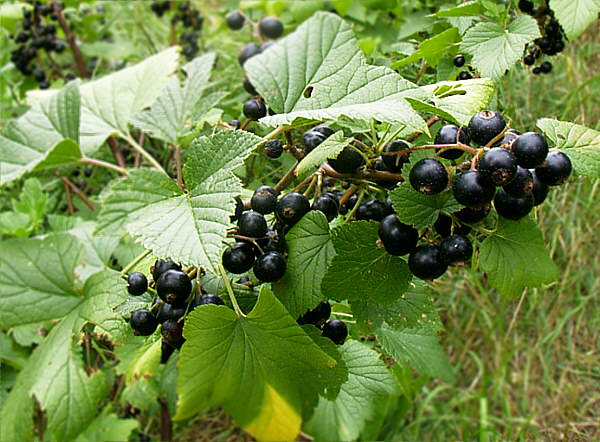
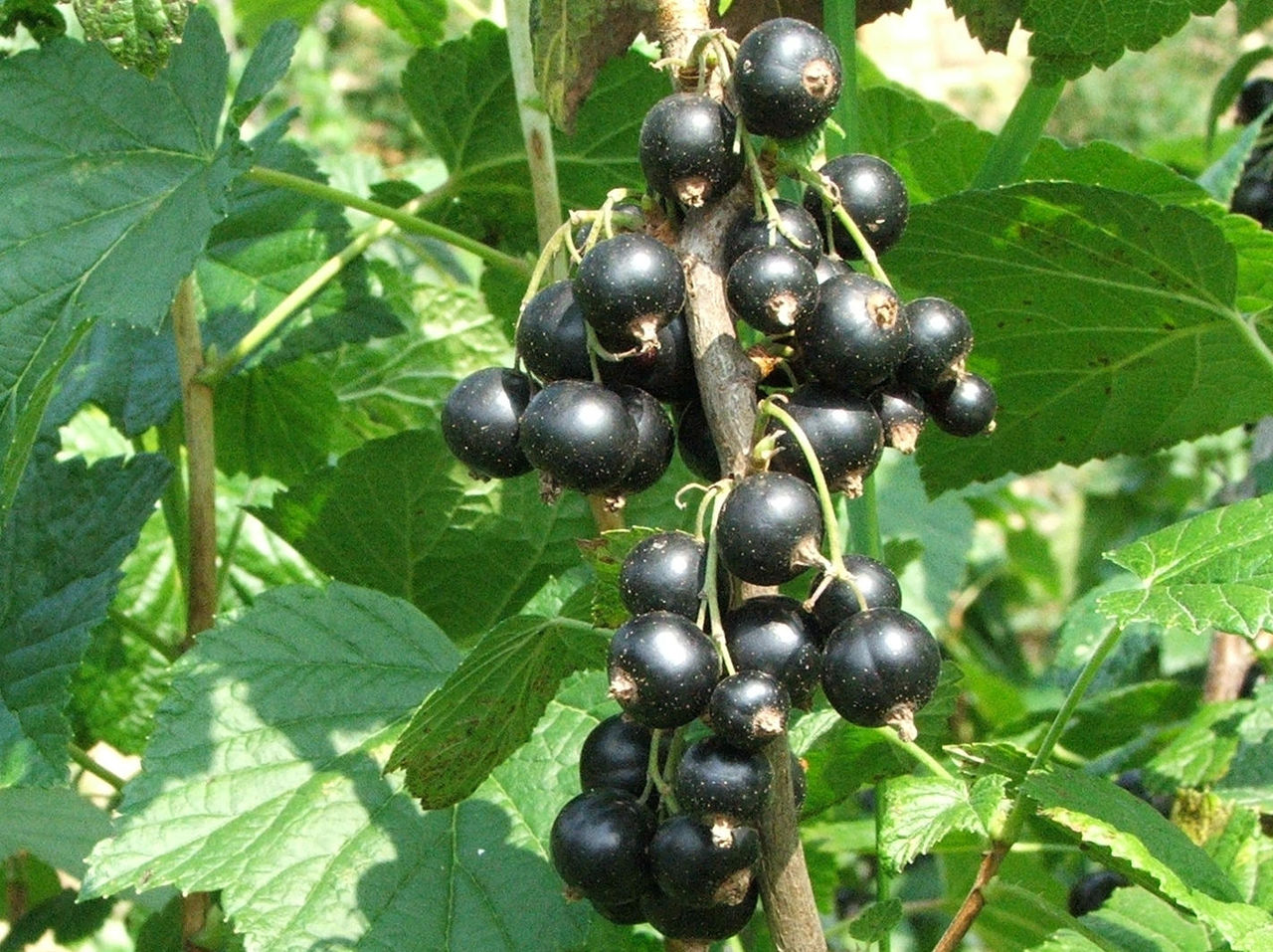
The blackcurrant (Ribes nigrum) is a small, dark berry produced by a deciduous shrub in the gooseberry family. The fruit is noted for its deep purple-black color and a pronounced tart, earthy flavor. Native to parts of central and northern Europe and northern Asia, blackcurrants grow in clusters on woody stems and are harvested for fresh eating and processing. For a basic description, see general fruit information.
Image gallery
10 Images



Characteristics and varieties
Blackcurrant plants typically reach 1–2 meters in height and bear glossy leaves and racemes of many berries. Several cultivars have been selected for larger fruit, improved yield, or disease resistance; some are grown specifically for juice, others for fresh market sales. They are most commonly associated with climates across central and northern Europe and northern Asia, where cool summers favor fruit development. The berries are particularly rich in vitamin C and other antioxidants; nutritional summaries are available at vitamin and nutrient resources.
History and cultivation
Blackcurrants have been cultivated for centuries in Europe for both culinary and medicinal uses. Commercial growing expanded in the 19th and 20th centuries with the development of improved varieties and processing methods. In some regions, historical concerns about disease transmission to related conifers led to regulatory restrictions that influenced where blackcurrants were grown; modern breeding and regulation have largely addressed those issues.
Uses and culinary examples
The concentrated, tart flavor of blackcurrants makes them well suited to preserves and flavoring. Common uses include jellies and jams, ice creams and sorbets, and concentrated syrups or cordials. Examples include jelly and preserves, ice cream and frozen desserts, and traditional cordial or squash preparations popular in some countries. Blackcurrant is a particularly common flavor in the United Kingdom (UK culinary traditions), and the berries are also used in salads and baked goods (salad uses, baking and confections), sometimes as a substitute for other dried fruits such as raisins.
Nutrition and health
Blackcurrants are noted for their high vitamin C content and presence of anthocyanin pigments, which contribute to antioxidant properties. They are consumed fresh, juiced, or processed; concentrated preparations provide a strong source of flavor and micronutrients but can be high in sugars when sweetened. As with many fruits, they are part of a balanced diet when eaten in moderation.
Notable facts and considerations
- Harvest and storage: berries are fragile and often handled quickly for processing or frozen to preserve flavor.
- Garden cultivation: many gardeners value blackcurrants for ease of pruning and reliable yields in cool climates.
- Varietal choice matters: select cultivars for disease resistance, fruiting habit, and intended use (fresh vs. processing).
For further reading and specific cultivar information, follow the links above or consult regional horticultural guides for climate-appropriate selections and management practices.
Related articles
Author
AlegsaOnline.com Blackcurrant (Ribes nigrum): description, cultivation, uses, and history Leandro Alegsa
URL: https://en.alegsaonline.com/art/11998