
Satsuma (mandarin): a loose‑skinned citrus variety
Satsuma is a sweet, easy‑peeling mandarin (Citrus unshiu) named for Japan’s former Satsuma Province. Popular fresh, seed‑light and cold‑tolerant, it is linked to winter traditions in the UK and elsewhere.
Overview
The satsuma is a type of mandarin commonly sold as a small, sweet citrus fruit with a characteristically loose, easily removed skin. Botanically associated with the mandarin group and often labeled Citrus unshiu, it is widely grown for fresh eating and mild flavor. The fruit is commonly described as a kind of tangerine in general commerce.
Image gallery
10 Images




Characteristics
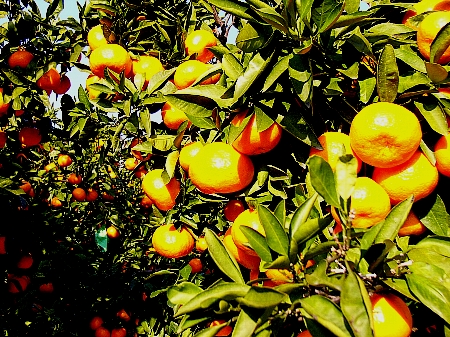
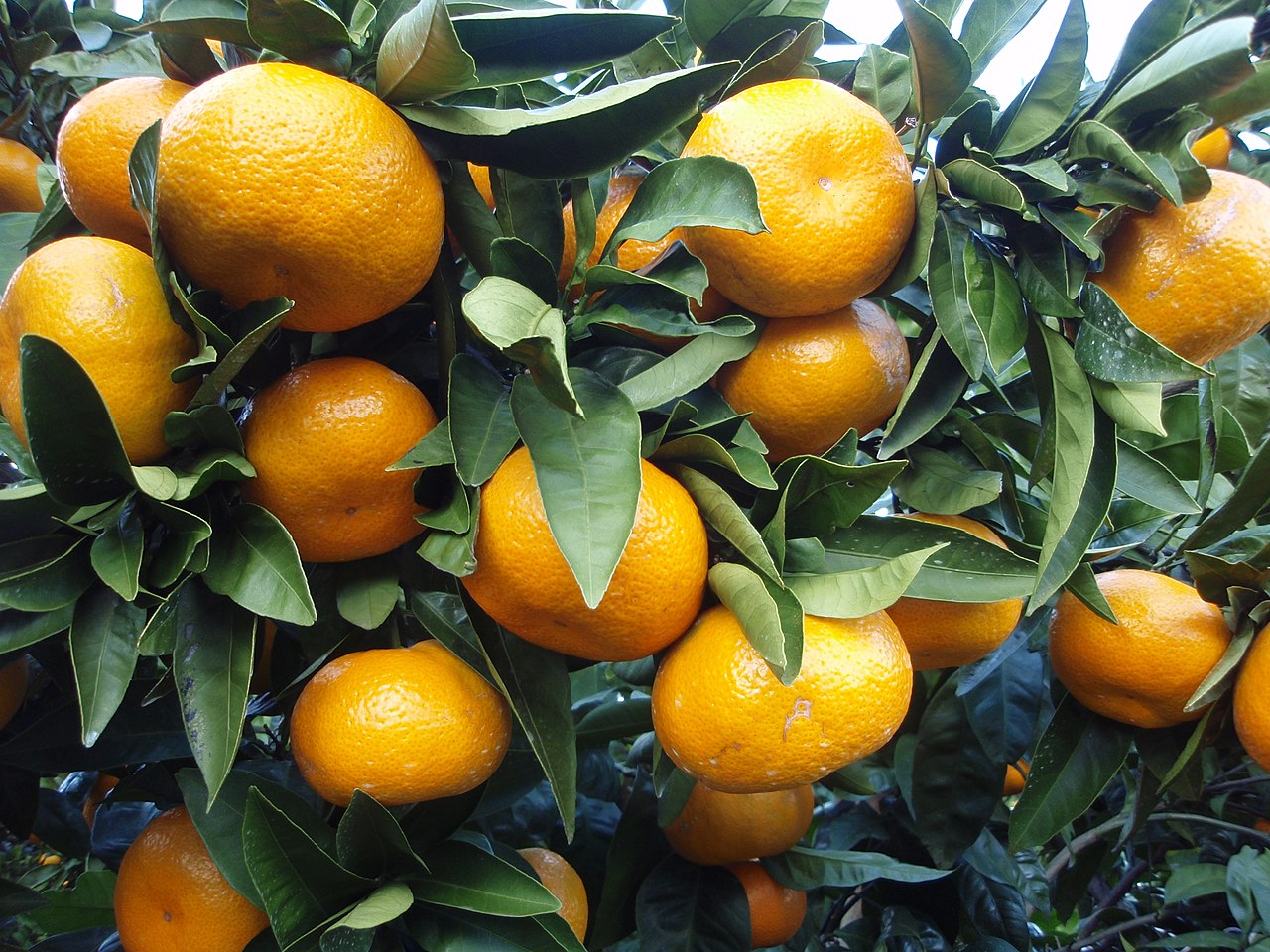
Satsumas are known for their thin, leathery rind that separates readily from the pulp, making them convenient to peel without tools. They typically have a bright orange color, tender segments, and few if any seeds in cultivated types. Cold tolerance is greater than for many citrus species, which has allowed satsumas to be cultivated in marginally cooler climates.
- Peelability: loose skin, easy to peel
- Flavor: sweet, mild acidity
- Seeds: often seedless or low‑seed
- Hardiness: relatively frost‑tolerant for a citrus
History and name
The name "satsuma" derives from the historical Satsuma Province in southern Japan, where this variety was long cultivated. The fruit itself traces its ancestry in East Asia and was established in Japanese horticulture centuries ago before becoming known internationally. In Japan the fruit is often called "mikan" and remains a familiar part of domestic markets and seasonal diets.
Uses and cultural notes
Satsumas are primarily eaten fresh because of their sweet, juicy segments and easy peel. They are also used in salads, desserts, preserves and sometimes candied. In the United Kingdom and in other parts of Europe and North America, satsumas have a cultural association with the winter holiday season when imported citrus historically arrived in shops and stockings. Their bright color and convenient size contributed to that tradition.
Cultivation, varieties and handling
Commercial satsuma production emphasizes cultivars selected for cold tolerance, sweetness and easy peeling. Growers prune and manage trees for fruit quality; in home gardens they are valued where winters are cool but not severe. For best freshness, satsumas are stored cool and can be refrigerated to extend shelf life; keep them dry and handle gently to avoid bruising.
Notable distinctions
Although the terms "mandarin," "tangerine" and "satsuma" are sometimes used interchangeably in markets, satsumas refer specifically to the loose‑skinned, often seed‑light cultivars traditionally linked to Japan. Their combination of mild flavor, ease of peeling and winter availability has made them a popular citrus worldwide.
Related articles
Author
AlegsaOnline.com Satsuma (mandarin): a loose‑skinned citrus variety Leandro Alegsa
URL: https://en.alegsaonline.com/art/87476