
Grewia asiatica (phalsa or falsa): a small fruit shrub of South Asia
Grewia asiatica, known as phalsa or falsa, is a small deciduous shrub cultivated for its tart-sweet summer fruits, traditional beverages, and local medicinal uses across South Asia and beyond.
Overview
Grewia asiatica, commonly called phalsa or falsa, is a small deciduous shrub or low tree grown primarily for its edible, tart-sweet fruits. Belonging to the genus Grewia in the family Malvaceae (older sources often placed it with Tiliaceae), the plant is valued in warm temperate to tropical regions for its fast-maturing summer crop and versatile culinary and folk-medicine uses.
Image gallery
3 Images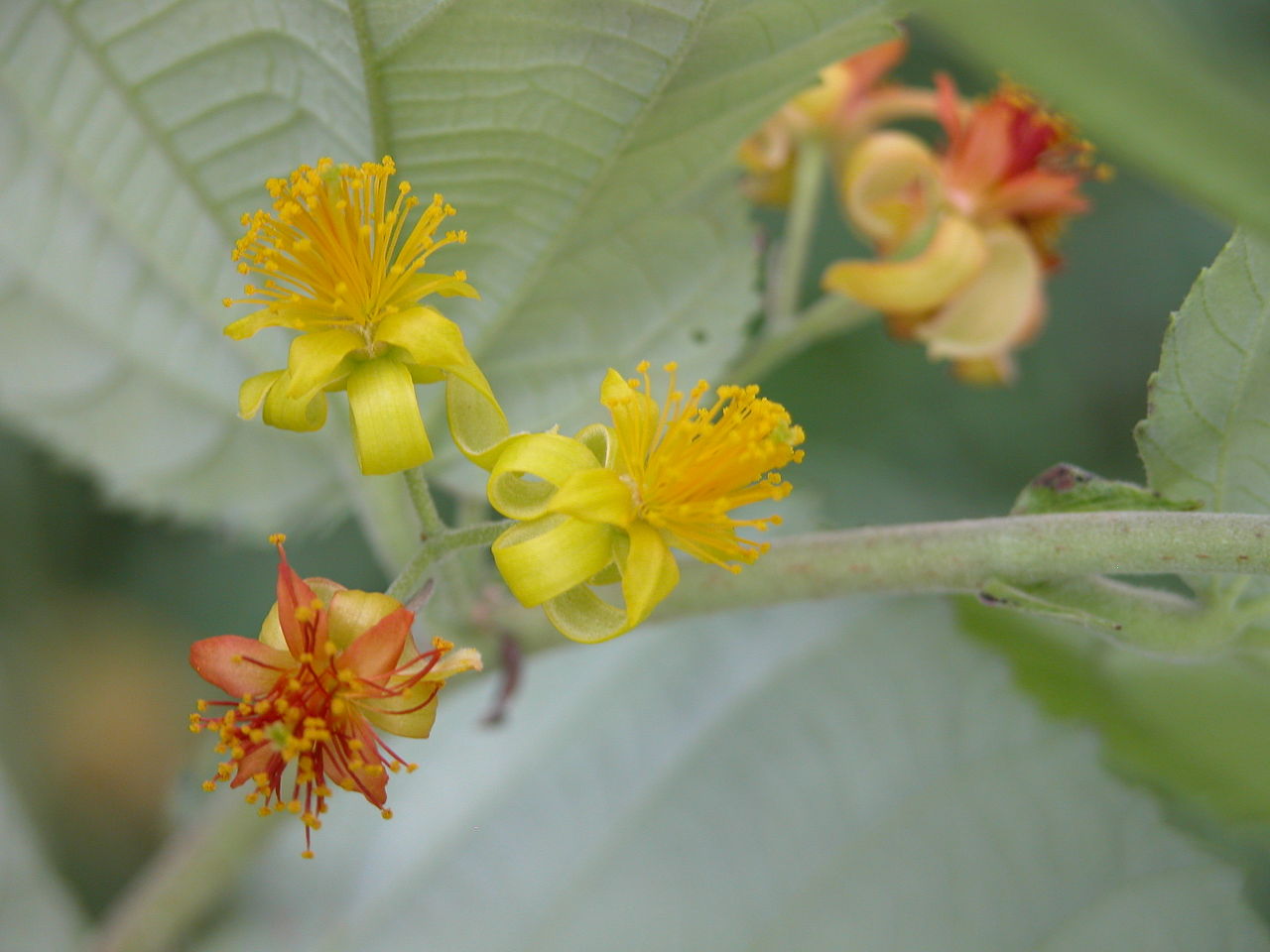


Characteristics
The species typically forms a multi-stemmed shrub with simple, alternate leaves that are often softly hairy and have serrated margins. Small, pale flowers appear in clusters and are followed by rounded to oval drupes that change from green to deep purple when ripe. The pulp is juicy and aromatic with a sweet-tart flavor and contains small seeds. Plants are propagated by seed or cuttings and prefer well-drained soils and sunny conditions; they show moderate drought tolerance.
History and distribution
Grewia asiatica is native to the Indian subcontinent and is especially associated with regions of northern India. Traditional accounts link early cultivation and dispersal with human activity in cultural centers such as Varanasi and across India, and later movement into neighboring countries. It is now grown in parts of South Asia, Southeast Asia and in warm gardens elsewhere.
Uses and cultural importance
- Food: fruits are eaten fresh, made into sherbets, juices, jams, ice creams and preserves.
- Medicinal and folk uses: leaves, bark and fruit are used in traditional remedies as a cooling, astringent or digestive aid (uses vary by region).
- Horticulture: valued as a small orchard crop for home gardens and local markets because of its early fruiting.
Taxonomy and notable distinctions
The genus contains many species with close similarities. One related plant, Grewia celtidifolia, was once treated as a varietal form of phalsa but is now recognized by botanists as a distinct species. Cultivar selection, local varieties and ongoing taxonomic work continue to refine understanding of the group.
Researchers and growers pay attention to cultivar improvement for larger fruit, extended shelf life and disease resistance, while traditional uses sustain the plant's role in local diets and remedies.
Author
AlegsaOnline.com Grewia asiatica (phalsa or falsa): a small fruit shrub of South Asia Leandro Alegsa
URL: https://en.alegsaonline.com/art/139207