
Tamarind (Tamarindus indica)
Tamarind is a tropical evergreen tree whose fruit yields a tart-sweet pulp used worldwide in cooking, medicine, and industry. Native to Africa, it has long been cultivated across Asia and the Americas.
Overview
Tamarind (Tamarindus indica) is a long-lived tree in the Fabaceae family. Believed to be native to tropical Africa, it is widely grown for its distinctive pod fruit and for shade. Historical movement by trade and cultivation spread tamarind from its African heartland to the Indian subcontinent, Southeast Asia, the Caribbean and the Americas.
Image gallery
10 Images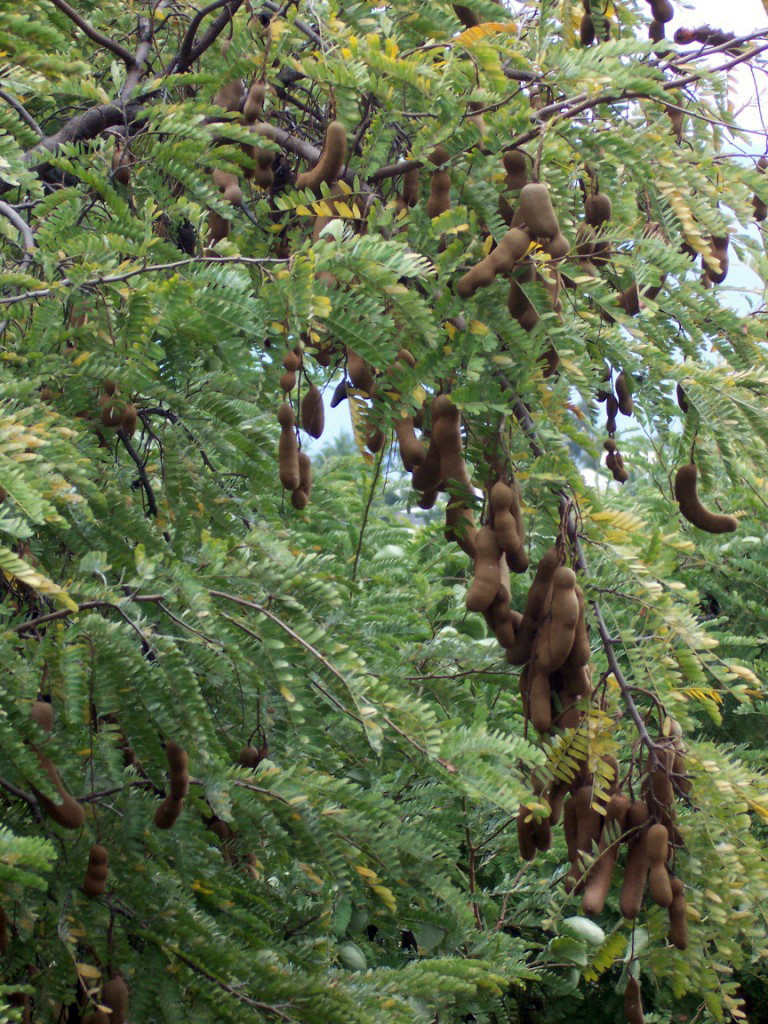



Physical characteristics
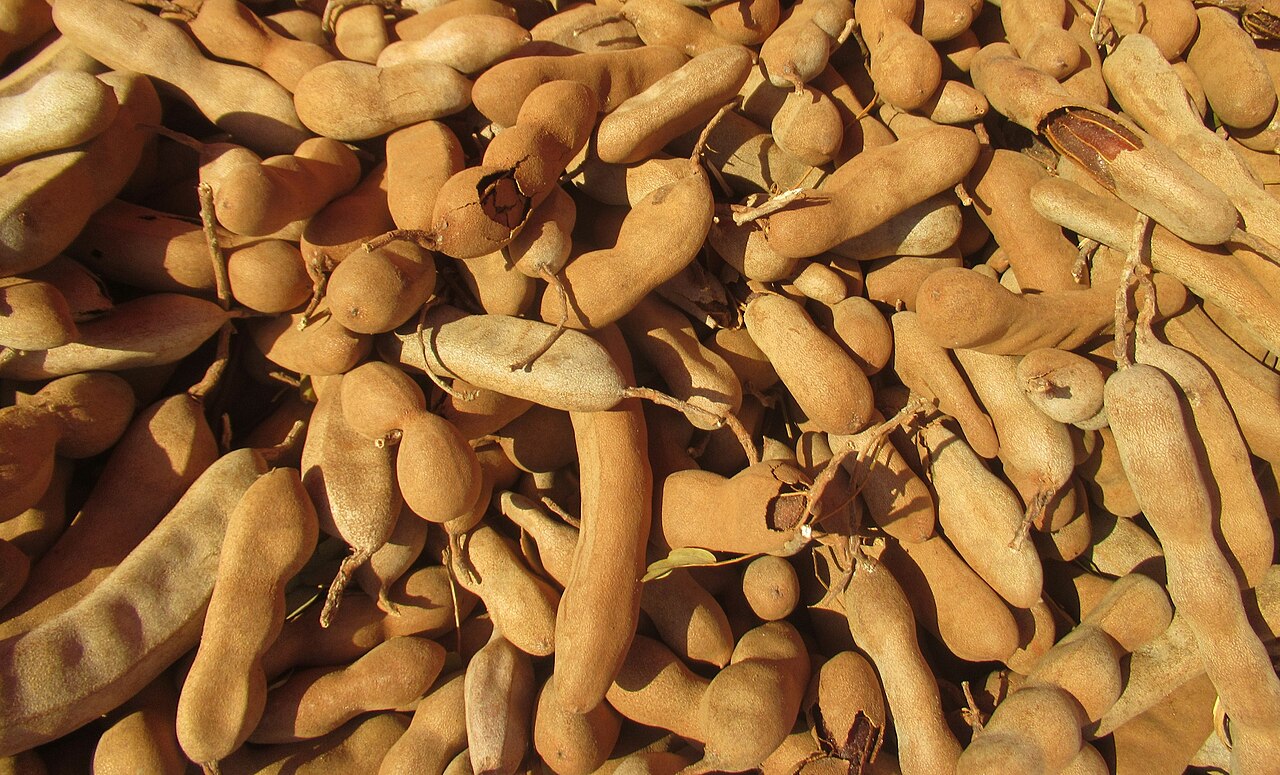
The tamarind tree can reach medium to large size with a dense crown of pinnate leaves and small, fragrant flowers. The fruit is a curved, brown, leathery pod that encloses a sticky, fibrous pulp and several hard seeds. The pulp has a sweet-and-sour flavor dominated by tartaric acid and natural sugars.
Parts and notable features
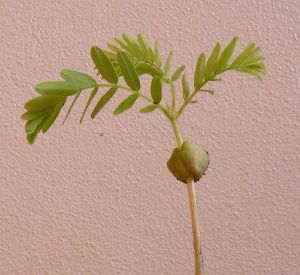
- Leaves: even-pinnate, sensitive and fine-textured.
- Flowers: small, cream to yellow with streaks.
- Fruit: pod containing pulp used in cooking and preserves.
- Seeds: hard, glossy, sometimes used for propagation.
Uses and cultural importance
Tamarind pulp is a culinary staple in many regional cuisines: it flavors chutneys, marinades, sauces (including traditional condiment blends), beverages and sweets. It is an ingredient in some fish and meat dishes and appears in popular condiments and sauces worldwide. Beyond food, tamarind finds use in traditional remedies, as a mild laxative and digestive aid, and in nonfood roles such as timber, fuel, and ornamental shade.
Cultivation and varieties
Adaptable and drought-tolerant, tamarind grows best in tropical and subtropical climates. It is commonly propagated from seed, though selected cultivars are grafted for fruit quality. Mature trees are valued for productivity and can remain productive for decades. Tamarind tree plantings are common in agroforestry and urban landscapes.
Distribution and notable facts
While widely associated with South Asian and Southeast Asian cooking, the species has its origins in Africa and occurs there in the wild; it is recorded historically in regions such as Africa and specifically areas like the Sudan. Its global spread illustrates how a regional crop can become an integral part of many food cultures.
Related articles
Author
AlegsaOnline.com Tamarind (Tamarindus indica) Leandro Alegsa
URL: https://en.alegsaonline.com/art/96183