
Plantain (cooking banana): botany, uses, history and cultivation
Plantain, a starchy cooking banana (genus Musa), is a tropical staple used like a vegetable. This article explains its botany, varieties, culinary uses, history and cultivation.
Overview
The plantain is a group of banana cultivars in the genus Musa that are primarily grown and used for cooking rather than eaten raw. In culinary practice the term "plantain" usually denotes firmer, starchier fruits with thicker skins that are consumed at different stages of ripeness. Unlike sweet or "dessert" bananas, plantains are treated as a staple food in many tropical regions and appear in savory dishes, snacks and processed products.
Image gallery
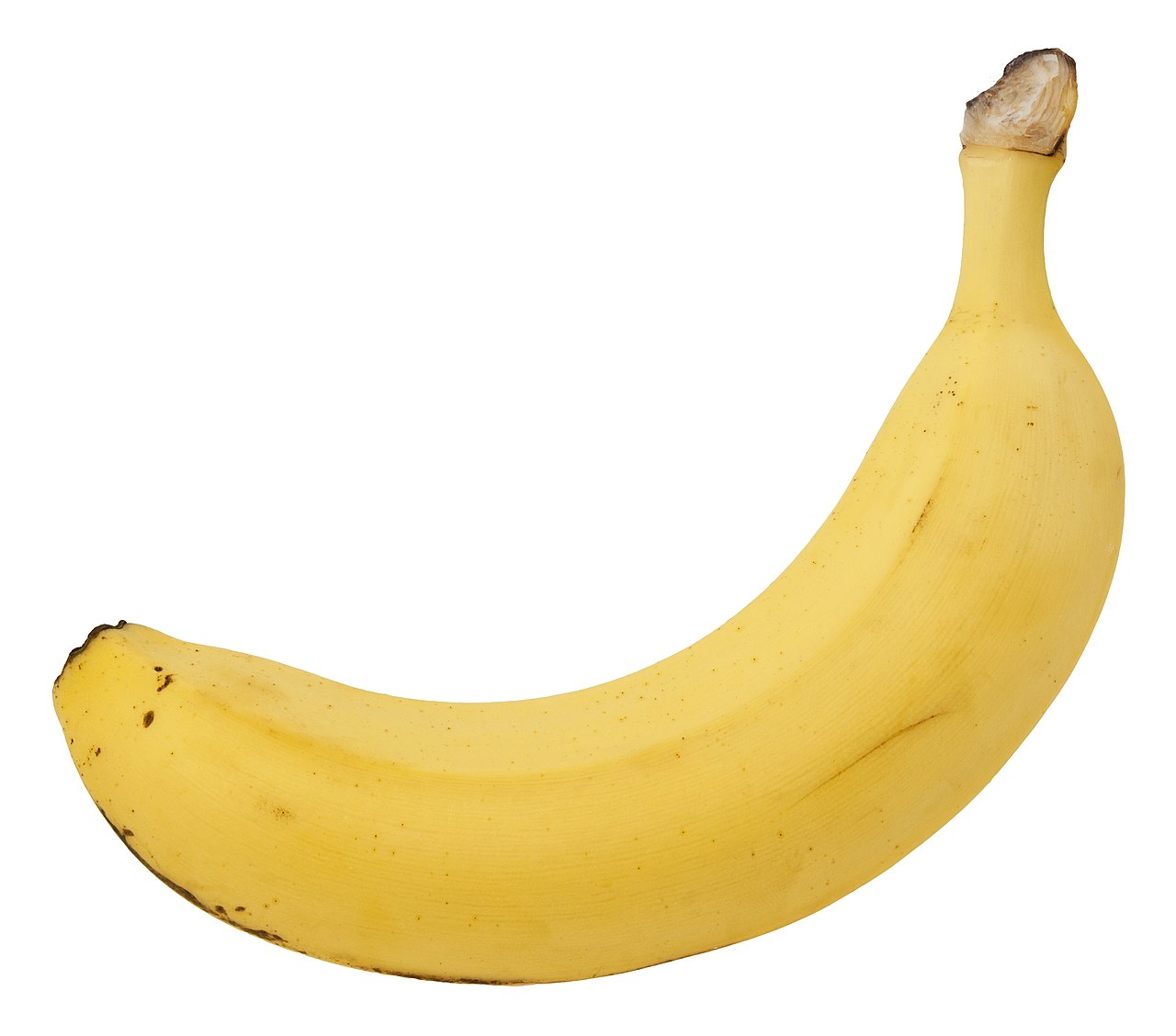
10 Images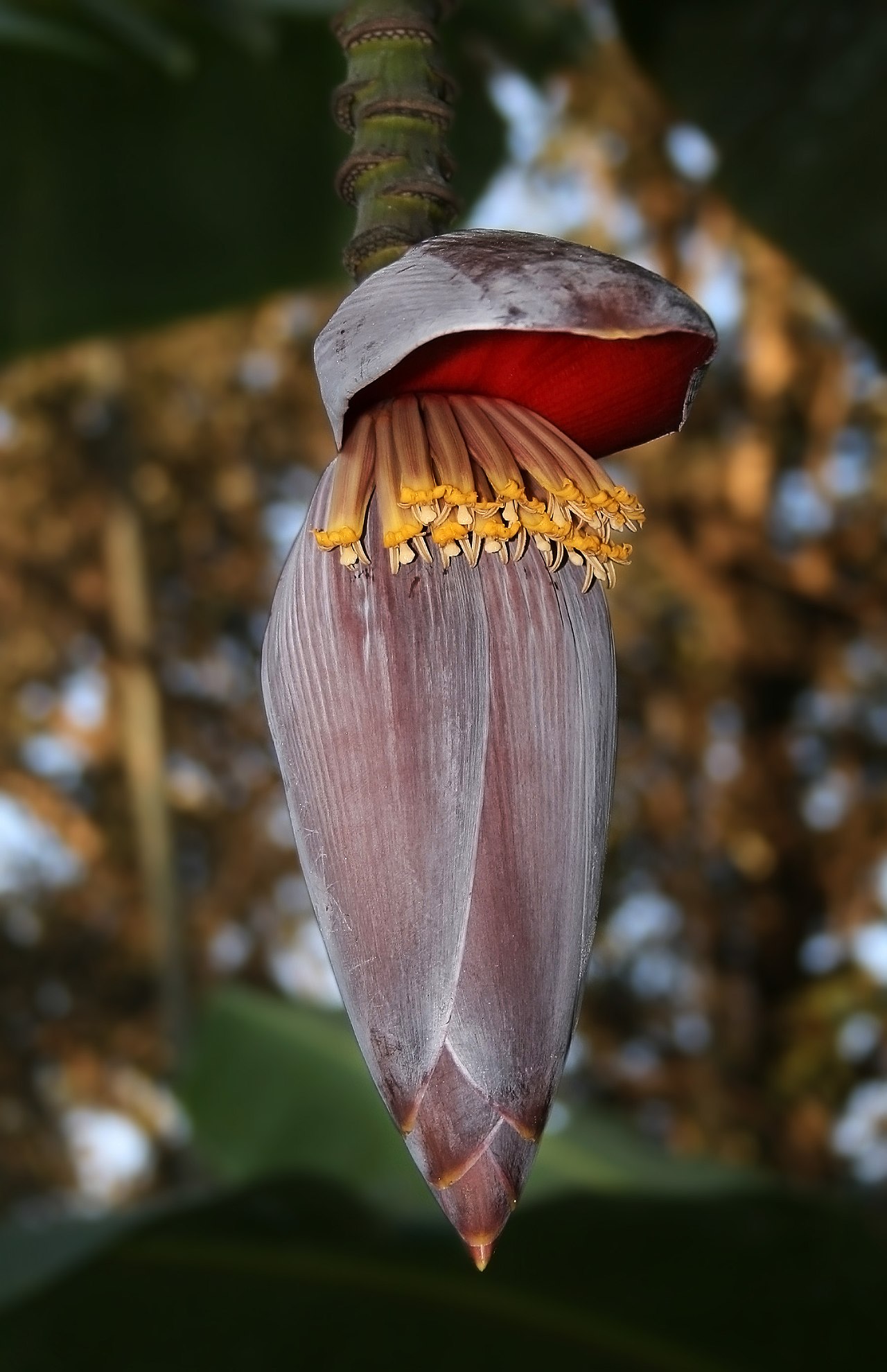




Botany and common varieties
Plantains belong to hybrid lineages of Musa, often derived from Musa acuminata and Musa balbisiana ancestors. Many cultivated plantains are seedless, triploid and propagated vegetatively from suckers rather than by seed. They are categorized by use and size into cooking plantains, horn plantains, and small or "finger" types; local names reflect regional uses such as frying, boiling or fermenting. Texturally they remain firm and starchy when green and sweeten as they ripen.
History and geographic distribution
Originating from the tropical forests of Southeast Asia, bananas and plantains spread through human migration and trade long before modern globalization. Secondary domestication and diversification occurred after introduction to Africa, where plantains became a central staple. European colonial routes and the transatlantic exchange brought plantains to the Americas and the Caribbean, where they adapted to local agricultural systems and cuisines. Today they are cultivated across tropical and subtropical zones worldwide.
Culinary uses and nutrition
Plantains are extremely versatile: green fruits are commonly boiled, roasted, mashed or fried into savory preparations; semi-ripe plantains are used for fried snacks like tostones or chips; fully ripe plantains are soft and sweet and may be baked or fried as desserts. Because they are higher in starch and lower in free sugars than dessert bananas, plantains are used more like a tuber or grain in meals. They provide dietary carbohydrates, potassium and some vitamins, and are an important calorie source where they are staple crops.
Cultivation and economic importance
These crops thrive in warm, humid climates and are mainly grown by smallholder farmers as well as on larger plantations. Propagation is commonly vegetative, using suckers or tissue-culture plantlets to maintain cultivar characteristics. Plantains are important for local food security, regional markets and export in some areas. Pests, diseases and soil management are key factors in production, and efforts to develop disease-resistant planting material are ongoing in many producing regions.
Distinctions and notable facts
Although often called cooking bananas, plantains are not a single species but a set of cultivar groups selected for texture and culinary behavior. They are often confused with dessert bananas by consumers unfamiliar with regional terminology. Plantains can be processed into chips, flour and fermented products, and they are central to many traditional dishes across West Africa, the Caribbean, Latin America and parts of Asia.
External links and resources
- Genus Musa overview
- Differences from dessert bananas
- European import context
- United States consumption notes
- Species and cultivar information
- Comparative sugar and starch content
- Plantain as a staple food
- Tropical distribution
- Culinary role similar to potatoes
- Primary cultivation origins
- Secondary domestication in Africa
- Presence in the southern United States
- Caribbean uses and dishes
- Central American cultivation
- Occurrences in Bolivia
- Uses in Peru
- Ecuadorian production notes
- Colombian plantain varieties
- Canary Islands cultivation
- Madeira and regional production
- Plantains in Egypt and North Africa
- Cameroon production and cuisine
- Nigeria and West African staples
- Ugandan consumption patterns
- Traditional uses in Okinawa
- Kerala and Taiwan cultivation notes
- Northern California experiments
- KwaZulu-Natal and southernmost cultivation
Questions and answers
Q: What is the plantain?
A: The plantain is a crop from the genus Musa. Its fruits are edible and generally used for cooking, which is different from the soft and sweet banana (which is often called dessert banana).
Q: Where did primary cultivation of plantains originate?
A: Primary cultivation of plantains originated in Southeast Asia.
Q: How do certain species of plants get their names?
A: Certain species of plants get their names based on how they are used; for example, cooking plantain, banana plantain, beer banana, bocadillo plantain (the little one), etc.
Q: Are dessert bananas usually eaten raw or cooked?
A: Dessert bananas are usually eaten raw; whereas, plantains are usually cooked or otherwise processed before they are eaten.
Q: What regions grow Plantains?
A: Regions that grow Plantains include the Southern United States, the Caribbean, Central America, Bolivia, Peru, Ecuador, Colombia, Southern Brazil, the Canary Islands, Madeira , Egypt , Cameroon , Nigeria , Uganda , Okinawa , Kerala and Taiwan .
Q: How does a Plantain taste compared to a potato?
A: Plantains have a similar taste to potatoes.
Q: How far north can farmers grow Plantains ?
A: Farmers can grow Plantains as far north as Northern California and as far south as KwaZulu-Natal.
Related articles
Author
AlegsaOnline.com Plantain (cooking banana): botany, uses, history and cultivation Leandro Alegsa
URL: https://en.alegsaonline.com/art/77294
Sources
- agroforestry.net : "Musa species (banana and plantain)"
- nedunal.com : "Plantain Flower - Valaipoo or Vazhaipoo - Banana Flower Health Benefits - A Beautiful Eatable on Earth"