
Jujube (Ziziphus jujuba): description, uses, history and cultivation
Jujube (Ziziphus jujuba) is a small deciduous tree valued for its sweet, apple-like fruit and hard wood. The article covers appearance, origin, uses in food and medicine, cultivation and notable varieties.
The jujube, botanical name Ziziphus jujuba, is a deciduous tree or shrub cultivated for its edible fruit and as a shade or ornamental tree. It belongs to the genus Ziziphus and is a member of the buckthorn family, Rhamnaceae. Commonly called jujube or red date (in some regions), the species is grown in temperate to subtropical climates and adapts to a range of soils.
Image gallery
10 Images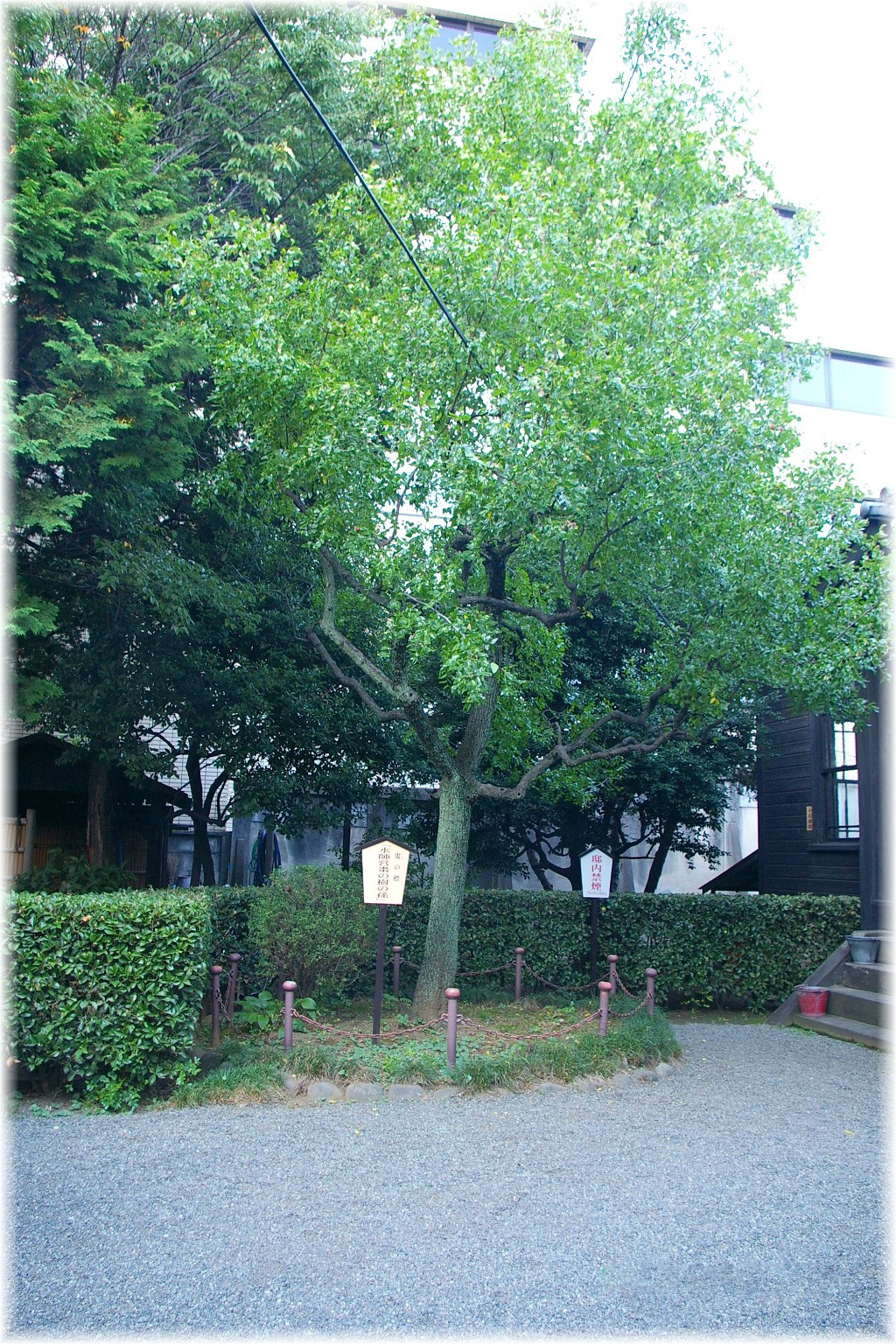


Description and characteristics
Jujube trees are typically small to medium-sized with a rounded canopy, glossy ovate leaves and a dense branching habit. The flowers are small and inconspicuous. Fruit size and shape vary by cultivar: many are oval to spherical and change color from green to brown or reddish-brown when ripe. The fresh fruit has a crisp texture and a flavor often compared to apple or pear; dried jujubes develop a chewy, date-like texture and deeper sweetness.
History and cultural significance
Native to parts of Asia, the jujube has been cultivated for thousands of years and features in traditional diets and medicine in East Asia and the Middle East. Over centuries it spread along trade routes and was selected into many regional varieties. In several cultures the fruit is associated with longevity, and both fresh and dried jujubes appear in culinary and ceremonial contexts.
Uses and importance
- Food: eaten fresh, candied, dried or processed into pastes, teas and confections.
- Medicinal and herbal use: employed in some traditional remedies for general tonic effects and as a sleep aid; modern claims vary by tradition and should be considered cautiously.
- Horticulture: used as a drought-tolerant shade tree, windbreak or ornamental for its fruit and bark.
Cultivation and varieties
Jujube is hardy and tolerant of heat, drought and poor soils, though it fruits best with good drainage and full sun. Pollination requirements depend on cultivar; some produce well when self-fertile, others benefit from cross-pollination. Common horticultural choices include cultivars selected for size, fruit sweetness, or suitability for drying. Propagation is typically by seed, cuttings or grafting onto compatible rootstocks.
Notable facts and distinctions
Although sometimes called "Chinese date," jujube is botanically distinct from the true date (Phoenix dactylifera). The fruit's texture and uses overlap with both apples and dates, which contributes to varied common names in different regions. As a durable and adaptable fruit tree, jujube is valued in marginal agricultural areas for providing reliable yields with modest care.
Related articles
Author
AlegsaOnline.com Jujube (Ziziphus jujuba): description, uses, history and cultivation Leandro Alegsa
URL: https://en.alegsaonline.com/art/51468
Sources
- ars-grin.gov : "USDA GRIN Taxonomy"