
Lychee (Litchi chinensis): description, cultivation, and uses
Lychee is a tropical fruit (Litchi chinensis) prized for its sweet translucent aril. Grown in warm, humid regions, it is eaten fresh, canned, frozen or used in desserts, beverages and flavorings.
Lychee (pronounced LIE-chee) is the edible fruit of the tree Litchi chinensis, a member of the soapberry family (Sapindaceae). The fruit is typically small, round to oval, and enclosed in a textured outer shell. Inside is a translucent, juicy aril with a fragrant, sweet flavor and a single large seed. Lychee is widely cultivated as a tropical fruit and has been selected over centuries for desirable traits such as fruit size, fleshiness and shelf life.
Image gallery
10 Images


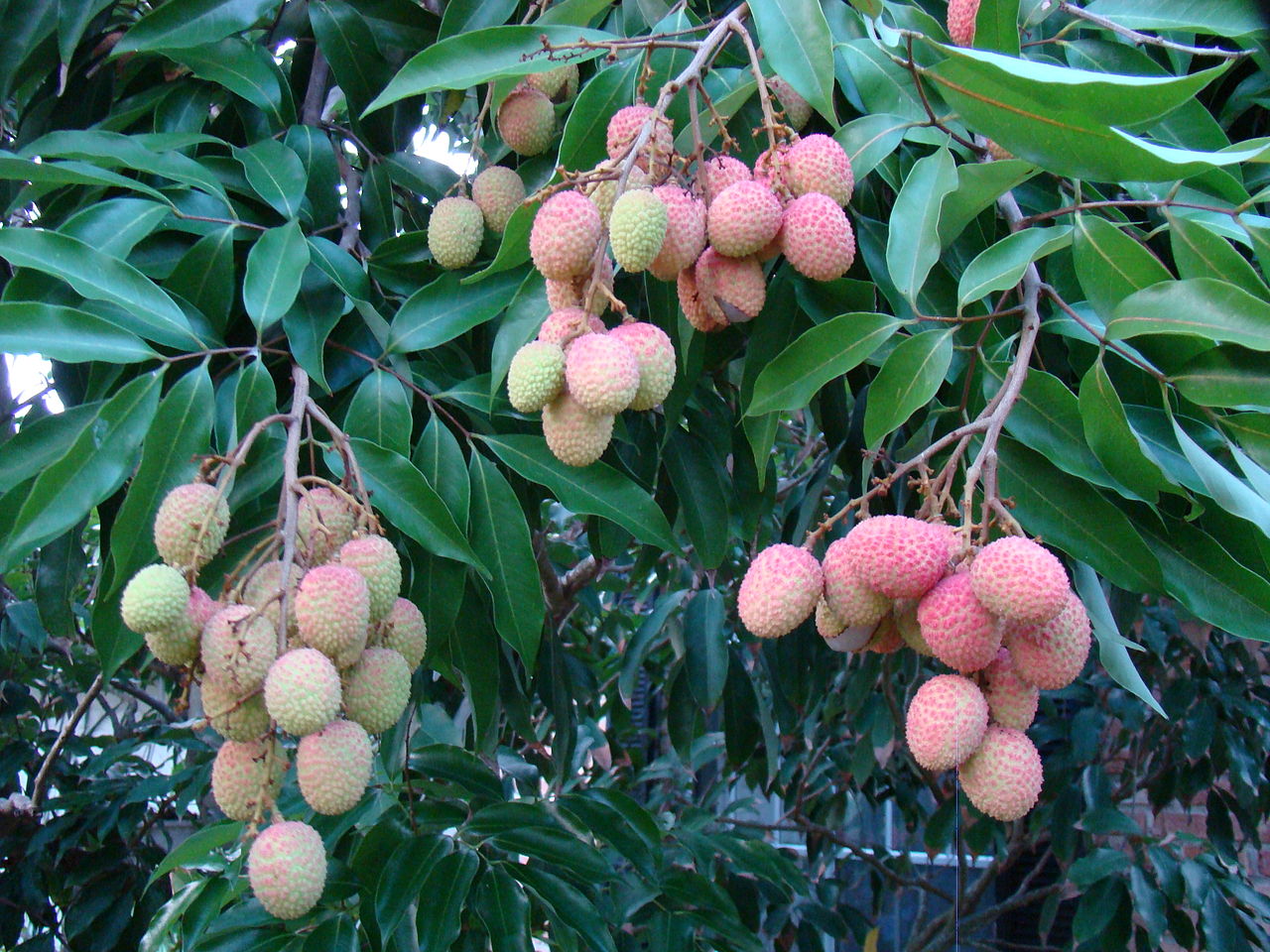


Appearance and structure
The outer skin is leathery and uneven, turning shades from green to pink-red or brown as fruit matures. The edible portion is the aril: glossy, white to pale pink, aromatic and high in water and sugars. A single hard seed lies at the center; seeds are generally discarded and are considered inedible because they contain compounds that can be unpleasant or harmful if chewed. For botanical context see the genus Litchi and related species.
Origin, distribution and varieties
Lychee is native to parts of southern China and adjacent areas of Southeast Asia and has been cultivated for many centuries. It is now grown in several warm regions worldwide where frost is not a risk. Numerous cultivars exist, differing in size, sweetness, texture and skin color; regional types are often named and selected for local markets. For discussion of regional variation see sources on regional varieties.
Climate, soil and propagation
Lychee trees prefer warm, humid climates with well-distributed rainfall and a distinct warm season for flowering and fruit set. They are sensitive to frost and prolonged cold. Well-drained, slightly acidic soils rich in organic matter are preferred. Propagation is typically by seed for rootstock, and by grafting or air-layering to maintain cultivar traits; commercial orchards often use grafted trees to ensure consistent fruit quality. Practical cultivation notes are available from horticultural guides and climate recommendations.
Pests, diseases and management
As with many fruit crops, lychee can be affected by a range of insect pests, fungal infections and physiological disorders that reduce yield and fruit quality. Integrated pest management, timely pruning, good sanitation and careful irrigation are typical measures to reduce losses. Extension services and specialist literature provide detailed control recommendations (postharvest and pest guidance).
Harvesting and postharvest handling
Fruit are harvested when the skin color and aril sweetness indicate ripeness. Fresh lychees have a relatively short shelf life at ambient temperature; refrigeration slows deterioration and careful packing reduces mechanical damage. Fruits may be canned in syrup, dried, frozen or processed into purees and preserves to extend availability beyond the harvest season. For handling and storage tips see postharvest resources.
Culinary uses and nutrition
The sweet, floral aril is most often eaten fresh. Processed forms include canned lychees, frozen pulp, jams, syrups, desserts and flavorings in beverages and confectionery. Nutritionally, lychee provides water, natural sugars, small amounts of vitamins (notably vitamin C), minerals and dietary fiber typical of fresh fruit; it is valued more for flavor than as a concentrated source of nutrients.
Safety and notable facts
Seeds are hard and are not eaten; they may contain substances that make them unsuitable for consumption. Reports have cautioned against eating unripe fruit or large quantities of certain parts of the plant. As with any food, choosing ripe fruit and discarding the seed is standard practice. Lychee has cultural significance in regions where it originated and has been celebrated in literature and art for its aroma and taste. For cultivar information and consumer guidance see cultivar guides and safety notes (handling advice).
Ongoing horticultural work aims to improve shelf life, pest resistance and tolerance to cooler climates so lychee can be produced and marketed more widely. For growers and consumers seeking practical, region-specific information, consult local agricultural extension services and specialist publications.
Related articles
Author
AlegsaOnline.com Lychee (Litchi chinensis): description, cultivation, and uses Leandro Alegsa
URL: https://en.alegsaonline.com/art/60073
Sources
- npgsweb.ars-grin.gov : "Litchi chinensis"