
Strawberry (Fragaria × ananassa): description, history, and uses
An overview of the cultivated strawberry, its botanical features, origin as a hybrid, cultivation, culinary uses and notable distinctions. Explains why the strawberry is not a true botanical berry.
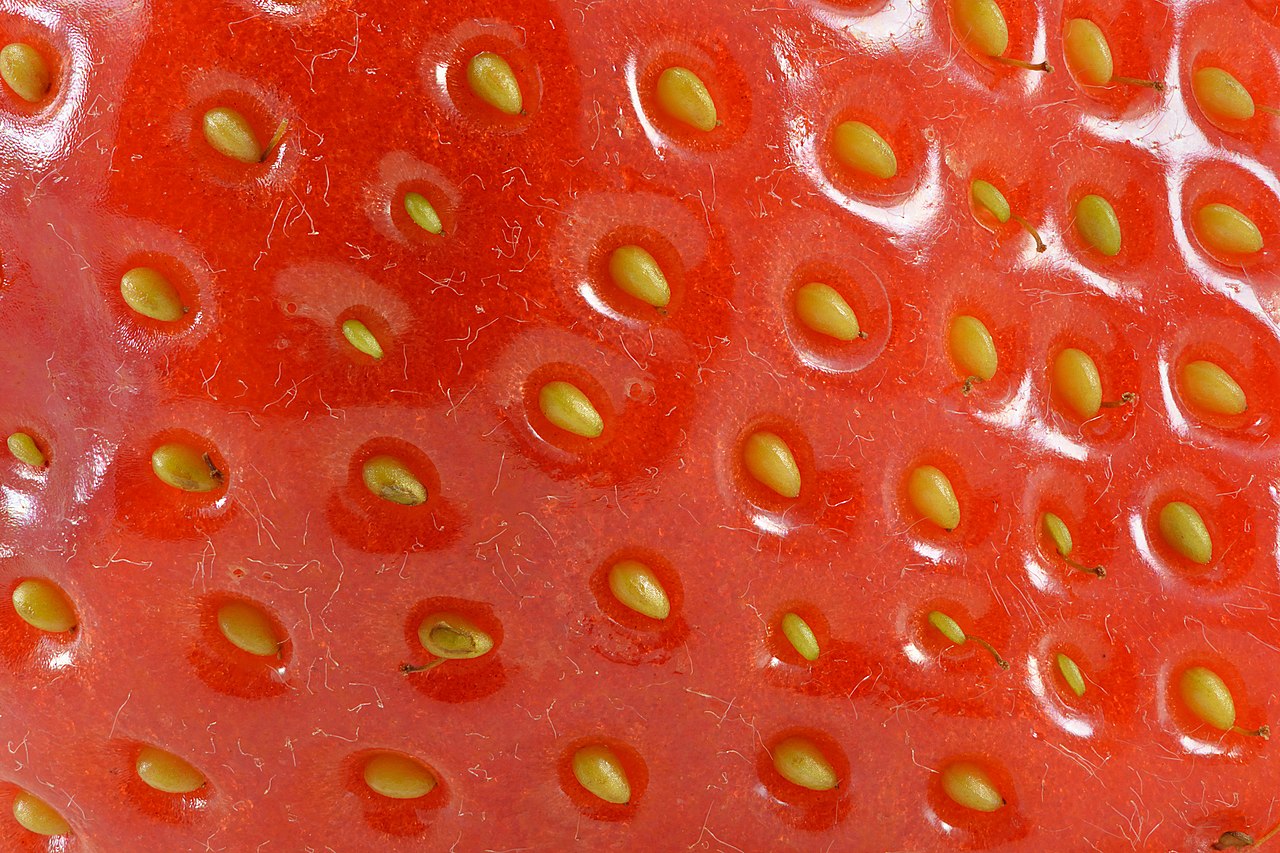
The strawberry is a widely cultivated garden plant valued for its sweet, fragrant red fruits and for the flavor derived from them. The common garden strawberry is a hybrid species, known botanically as Fragaria × ananassa, and belongs to the rose family. What we eat as a strawberry is an enlarged, fleshy part of the plant that surrounds many small, hard true fruits called achenes; these achenes are often mistaken for seeds.
Image gallery
10 Images




Characteristics and parts
Strawberries are low-growing perennials that spread by stolons, commonly called runners. Leaves are typically trifoliate with serrated edges, while flowers are white or pink with five petals. The edible portion is an accessory fruit formed from the receptacle; the tiny yellowish-brown dots on its surface are the true fruits (achenes). Cultivated varieties differ in size, flavor, color and seasonality, and gardeners choose types such as June-bearing, everbearing and day-neutral according to harvest goals.
History and origin
The modern garden strawberry arose in the 18th century when New World Fragaria species were brought to Europe and hybridized with European types. Breeders combined traits from species such as the North American and Chilean wild strawberries to produce larger, juicier fruits. Commercial cultivation expanded rapidly, and selective breeding has produced hundreds of cultivars suited to different climates and markets.
Cultivation, uses and importance
Strawberries are grown in temperate zones worldwide. They are commonly eaten fresh, used in preserves, desserts, beverages and flavorings, and processed into jams, purees and confections. Small-scale gardeners appreciate them for quick yields and attractive groundcover; commercial production focuses on yield, firmness and shelf life. Strawberries are also important economically and culturally, featuring in festivals, local markets and as a popular flavor in foods and cosmetics.
Notable distinctions and facts
- Not a true botanical berry: Botanically, strawberries are aggregate accessory fruits rather than berries; each visible dot is an achene, the true fruit.
- Reproduction: Many varieties reproduce by runners, though some are propagated by seed or by tissue culture in commercial settings.
- Varietal diversity: Breeding efforts target size, taste, disease resistance and storage life.
Further reading and resources
- General botanical overview of Fragaria
- Wild strawberry species and classification
- Rose family (Rosaceae) context
- History of cultivated strawberry hybrids
- Fruit anatomy and accessory fruits
- Strawberry flavor and commercial uses
- Seed (achene) structure explained
- Strawberry plant parts and growth habit
- Breeding and cultivar development
Related articles
Author
AlegsaOnline.com Strawberry (Fragaria × ananassa): description, history, and uses Leandro Alegsa
URL: https://en.alegsaonline.com/art/94227
Sources
- species.wikimedia.org : Fragaria · web.archive.org
- nvsuk.org.uk : Official website
- boundless.com : "Stem Modifications"
- inhs.uiuc.edu : "achenes"
- inhs.uiuc.edu : "Aggretage Fruits"
- carnegiemuseums.org : "The Strawberry: A Multiple Fruit"
- nutritiondata.self.com : "Nutrition Facts for strawberries, raw, one NLEA serving, 152 g"