
Japanese plum (Prunus salicina): description, cultivation, and uses
Prunus salicina, commonly called the Japanese or Chinese plum, is a small deciduous fruit tree grown for fresh fruit and processing. Overview, characteristics, cultivation, history and distinctions.
Overview
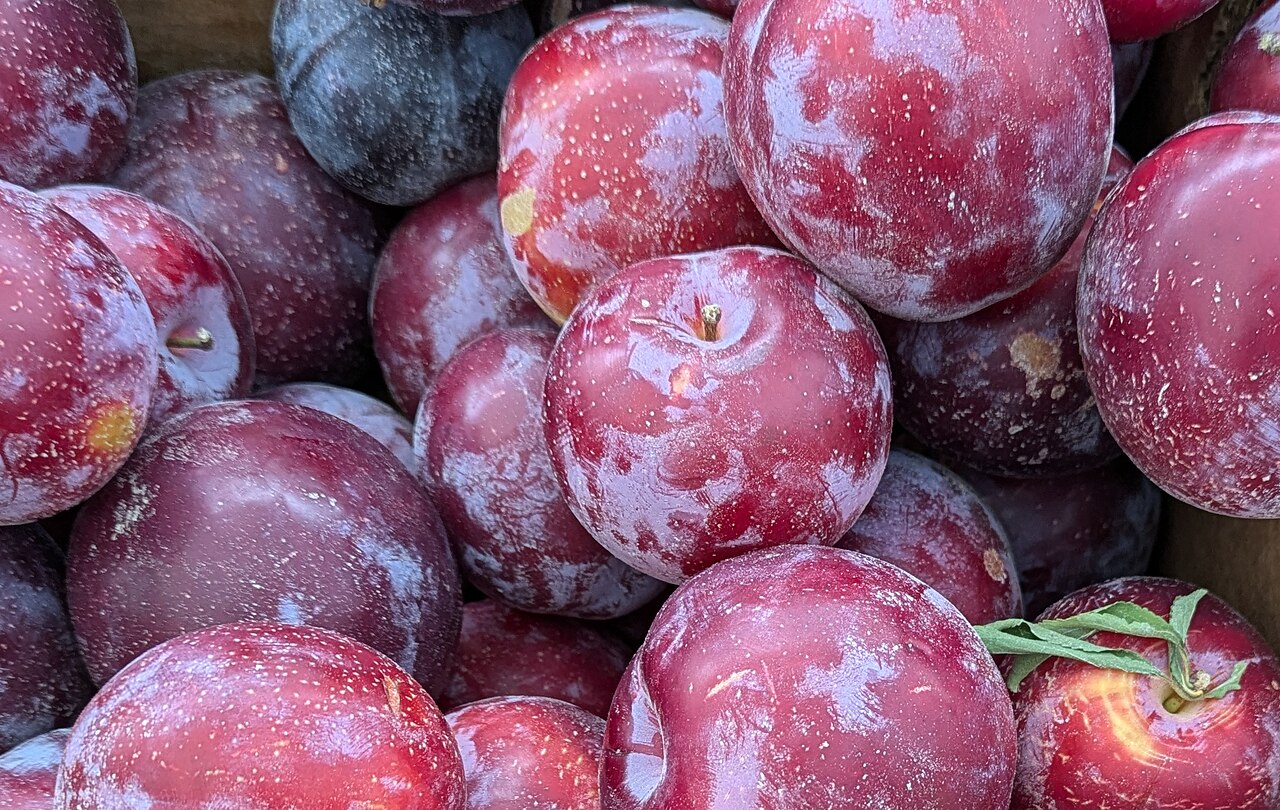
The Japanese plum (Prunus salicina) is a species of stone fruit tree valued for its edible fruit. Though frequently called the Japanese plum, the species is native to China and became established in other East Asian countries before spreading worldwide. Its fruit ranges in color from yellow to red and deep purple and is eaten fresh, cooked, or processed.
Image gallery
7 Images



Characteristics
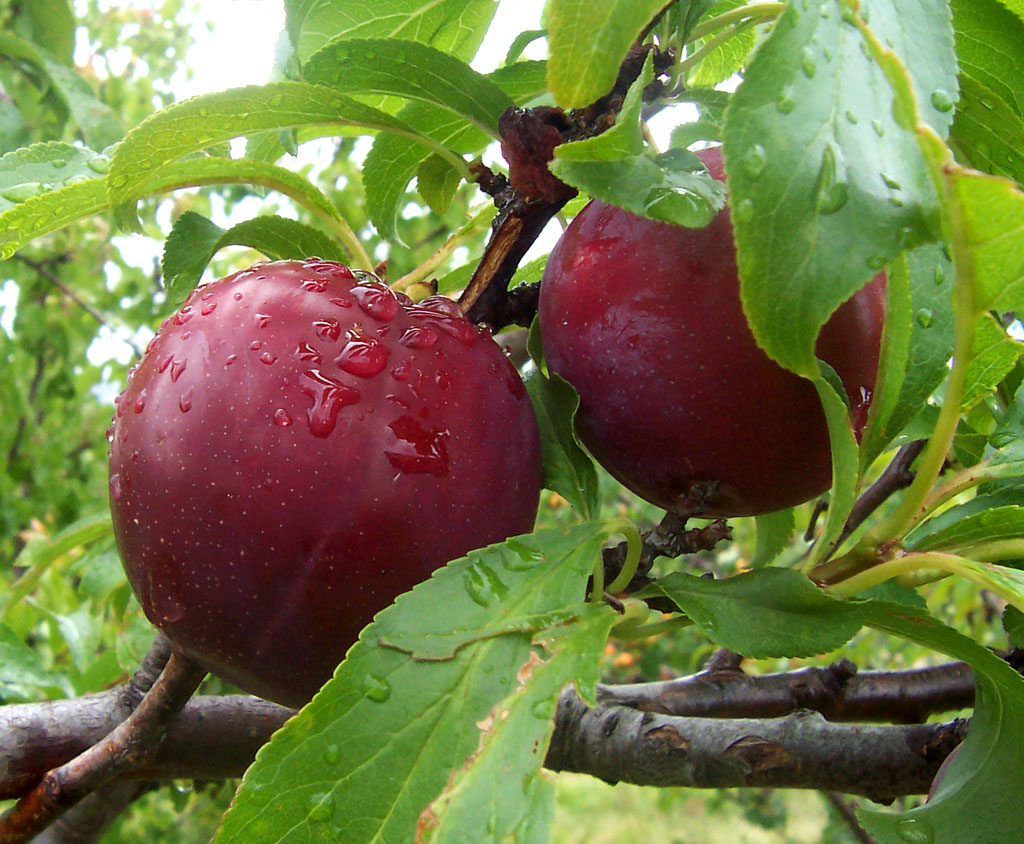
Prunus salicina is a deciduous tree with a compact habit and simple, serrated leaves. In spring it produces single flowers, usually white or pale pink, followed by rounded to slightly oblong fruit that contain a single hard pit. The flavor of the flesh varies from tart to sweet depending on the cultivar and maturity at harvest. Many commercial selections are bred for size, color, firmness and shipping quality.
History and distribution
The species originated in China and was long cultivated in East Asia. It was introduced to Japan where it became important in local fruit culture, and later to Korea Korea, the United States United States, Australia Australia and other temperate regions. China remains the primary center of diversity for the species, reflected in its common association with that country China.
Cultivation and uses
Japanese plums are grown in orchards and home gardens. They are usually harvested in summer and sold fresh, but they are also used for preserves, juices and fermentation. Unlike the European plum (Prunus domestica), many Japanese-type plums are preferred for fresh eating and processing rather than for drying into prunes. Commercial production emphasizes cultivar selection, thinning, irrigation and pest management to achieve consistent yields.
Practical notes and distinctions
- Pollination: Some cultivars require cross-pollination while others are partially self-fertile; growers often plant compatible varieties.
- Diseases and pests: Common issues include fungal rot and insect pests typical of stone fruit; good orchard hygiene and appropriate sprays reduce losses.
- Related species: Japanese plum is distinct from the Japanese apricot (Prunus mume) and from European plums (Prunus domestica) in fruit form, uses and breeding history.
For regional guidance on varieties and cultivation practices consult local horticultural resources or extension services. Historical and botanical overviews are available in botanical references and regional fruit-crop guides, including information held in collections and institutions in Japan Japan and elsewhere.
Further reading and resources: see general fruit-tree cultivation guides and national plant germplasm repositories for selection lists and propagation advice (origin context, regional cultivation, Japanese horticulture, US production, Australian production).
Related articles
Author
AlegsaOnline.com Japanese plum (Prunus salicina): description, cultivation, and uses Leandro Alegsa
URL: https://en.alegsaonline.com/art/49539