
Cherimoya (Annona cherimola): description, cultivation and uses
Cherimoya is a sweet, creamy-fruited tree native to the Andes, cultivated for its custard-like flesh. Article covers appearance, origins, cultivation, culinary uses, varieties and distinctions from related fruits.
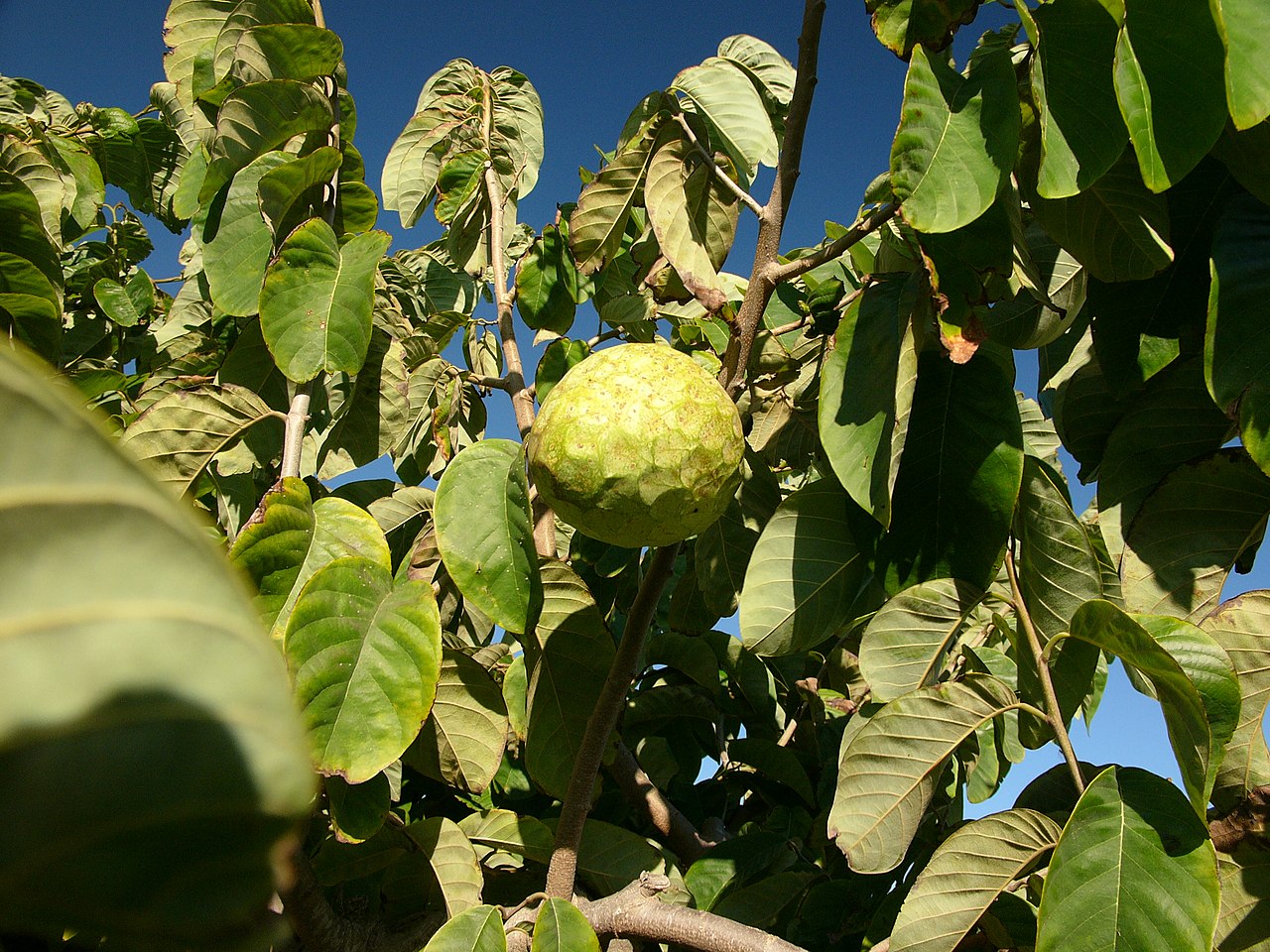
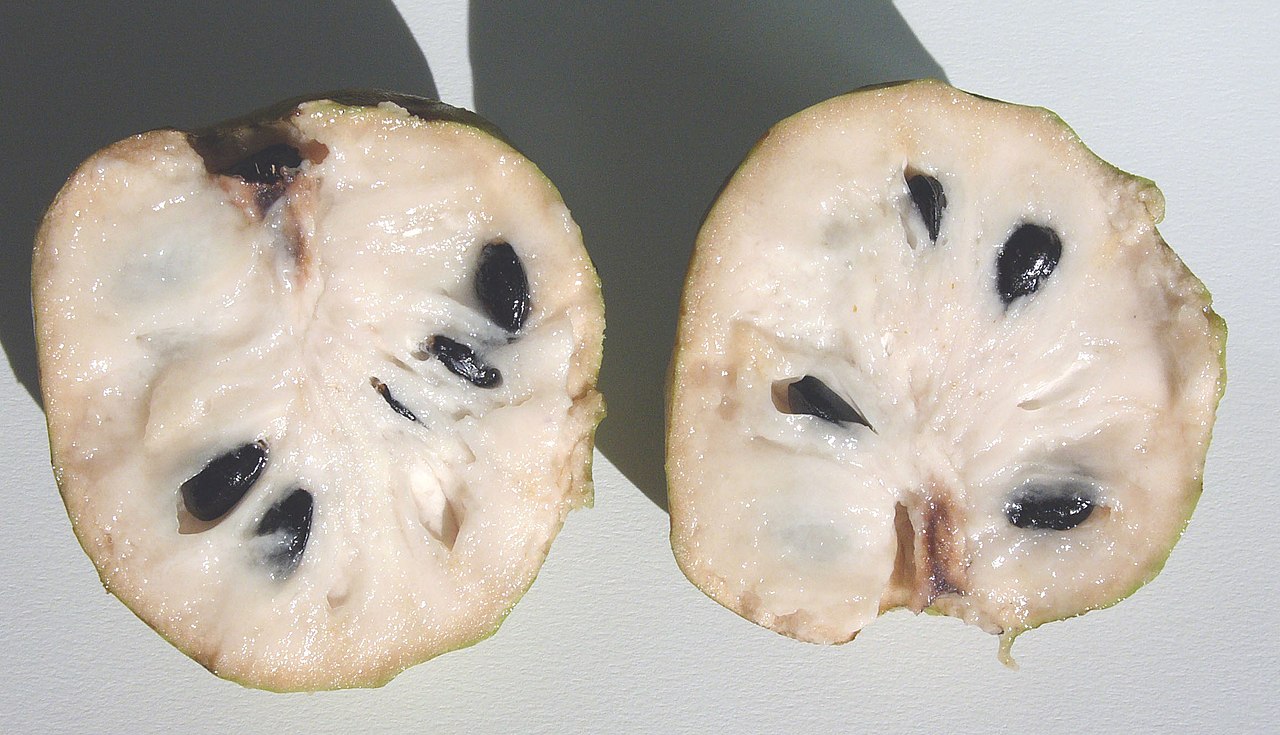
The cherimoya (Annona cherimola), often called a custard apple in English, is a subtropical fruit tree valued for its fragrant, creamy flesh. Native to the montane valleys of the Andes, the species has been grown and selected for centuries in South America and later introduced to other warm, mild climates. Cherimoya fruit have a green, patterned rind when ripe and a soft white flesh filled with glossy black seeds that are discarded before eating.
Image gallery
10 Images




Characteristics
Cherimoya trees belong to the Annonaceae family. The fruit typically has a heart-like or rounded shape with a segmented surface that can look scaly. The interior flesh is soft and aromatic, often described as custardy with flavor notes that evoke banana, pineapple and mango. Seeds are large, hard and not edible; they may contain compounds that can be toxic if crushed and consumed.
Origins and history
Originating in the Andean region, cherimoya was traditionally cultivated by Indigenous peoples of Peru, Ecuador and surrounding areas. Over time it spread to Central America, the Mediterranean and parts of Asia. Because of its preference for mild, frost-free but moderately cool conditions, it is unusual among tropical fruits for its ability to thrive at higher elevations and cooler subtropical sites.
Cultivation and pollination
Cherimoya grows best in well-drained soils with protection from severe frost and extreme heat. Trees are propagated by seed for rootstock and by grafting or cuttings to preserve named cultivars. In many non-native areas natural pollinators are scarce, so growers often perform hand pollination to ensure fruit set. The tree can be susceptible to root and fungal problems if soils remain waterlogged.
Uses, flavor and storage
Fresh cherimoya is most commonly eaten raw, scooped from the skin after removing the seeds. Its texture and sweetness make it a popular ingredient in desserts, smoothies, ice creams and fruit salads. The fruit has a relatively short shelf life and is usually ripened at room temperature then refrigerated briefly before consumption.
Varieties and distinctions
- Several named cultivars exist, selected for fruit size, sweetness and skin pattern.
- The name "custard apple" can refer to different Annona species; "sugar apple" and "soursop" are related but distinct fruits with different flesh textures and flavors.
- In parts of South Asia the fruit is known as sitafal; local names vary by language and region.
For further information on distribution, local names and cultivation practices see these references:
Tags
Related articles
Author
AlegsaOnline.com Cherimoya (Annona cherimola): description, cultivation and uses Leandro Alegsa
URL: https://en.alegsaonline.com/art/19262