
Mausoleum: Purpose, forms, and historical origins
A mausoleum is a freestanding building that houses human remains. This article explains its structure, history (named for Mausolus), uses, and distinctions from graves and crypts.
Overview
A mausoleum is a freestanding building constructed to contain the remains of one or more deceased people. Unlike inhumation directly in the ground, where a body is placed in soil, a mausoleum keeps remains within internal chambers, vaults or niches and often serves as a visible, permanent memorial. Some mausolea are private family structures while others are public monuments or communal columbaria.
Image gallery
3 Images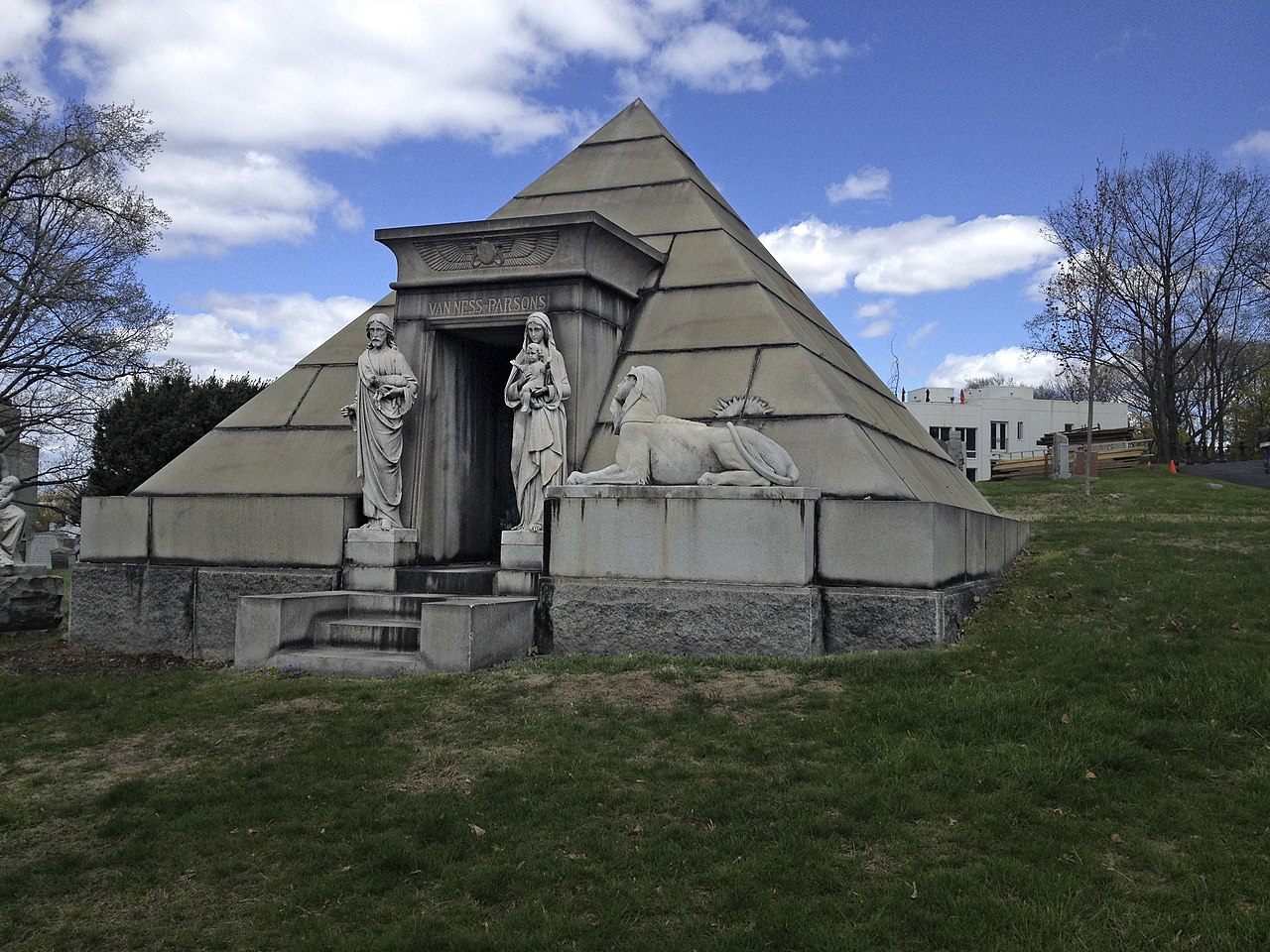


Common parts and architectural features
Typical elements include an entrance, interior chamber or gallery, burial niches (loculi), vaults beneath a floor, and places for inscriptions or sculpture. Materials range from stone and marble to brick and reinforced concrete. Internally, sarcophagi, crypts or sealed caskets may be used; some mausolea include decorative funerary art, stained glass or altars when connected to religious practice.
History and name
The English word comes from Mausolus, a fourth-century BCE ruler of Caria whose monumental tomb at Halicarnassus became famous in antiquity. The Tomb of Mausolus was celebrated for its size and sculptural program and later counted among the classical Seven Wonders. Since then, the form evolved across cultures, from ancient near-eastern and Mediterranean examples to elaborate Renaissance and modern memorials.
Uses and cultural importance
- Commemoration: to honor prominent individuals or families.
- Preservation: protection of remains from soil moisture and disturbance.
- Religious practice: some faith traditions place relics or conduct rites within mausolea.
Distinctions and practical considerations
Mausoleum differs from a simple grave in durability, visibility and design intent. It is related to but not identical with crypts (often below a church) or columbaria (for cremated remains). Modern use raises issues of maintenance, cost and legal regulation; many historic mausolea require conservation. For further context, see general entries on building types, burial in soil and cemetery practice in a cemetery.

Known mausoleums
Afghanistan
- Chirqa Sharīfa (Persian خرقه شريفه, DMG ḫirqa šarīfa "penitent shirt of the noble") in Kandahar. It contains a cloak attributed to Muhammad.
- Ali Mausoleum in Mazar-e Sharif, one of Ali's presumed burial sites.
Egypt
In Cairo, the shrines date from the Fatimid period, mostly simple rectangular structures with a dome. Some of the mausoleums at Aswan were more complex and had side rooms. However, most are destroyed or completely rebuilt
- Mashad al-Juyushi, (also: Mashad Badr al-Jamali, الجامع الجيوشى) is an exception. The mosque has a prayer hall with cross vaults and a dome perched on trumpets above the mihrab.
- Mashads of Sayyida Ruqayya, in Cairo, Fustāt Cemetery.
- Mashads of Yayha al-Shabib, Fustat Cemetery.
- Aga Khan III Mausoleum in Aswan
- Abu Al Hassan El-Shazly Mausoleum in Sheikh Shazly (الشيخ الشاذلى) (also: Ḥumaythirah, حميثرة).
Bangladesh
- Shrine of Bayazid Bostami in Chittagong
- Shrine of Hazrat Shah Jalal in Sylhet
China
- Mausoleum of the first emperor of China, Qin Shihuangdi, in Xi'an with his terracotta army (UNESCO World Heritage Site)
- Mausoleum of Mao Zedong in Beijing
- Sun Yat-sen Mausoleum in Nanjing
Taiwan
- Mausoleum of Chiang Kai-shek and Chiang Ching-kuo in Daxi, Taoyuan
- National Chiang Kai Shek Memorial Hall in Taipei
India
- Humayun Mausoleum in Delhi (UNESCO World Heritage Site)
- Akbar Mausoleum in Sikandra
- Itimad-ud-Daula Mausoleum in Agra
- Taj Mahal (UNESCO World Heritage Site) in Agra
- Bibi-Ka-Maqbara in Aurangabad
- Safdarjung Mausoleum in Delhi
- Gol Gumbaz, mausoleum of Sultan Mohammed Adil Shah, in Bijapur (Vijayapura)
- Dargah Nizamuddin, tomb of the founder of the Chisti Nizami order in Delhi
- Laila Majnu Ki Mazar, near Anupgarh, Rajasthan. Local legends say that Laila and Majnun died there.
- Mausoleum of Fakhruddin Shaheed in Galiakot, Rajasthan.
Indonesia
- Imogiri in Java, Mausoleum of the Sultans of Mataram, Yogyakarta and Surakarta.
Iraq
- Imam Husain Shrine in Karbala.
- Sardāb of Caliph al-Mahdi (≈ 775-785) in Samarra. The golden dome was donated by Nāser ad-Din Shāh and completed by Mozaffar ad-Din Shah in 1905. The actual tomb is located in Al-Askari Mosque and is one of the most important shrines of the Shia. The mosque was severely damaged in February 2006.
Iran
- Mausoleum of Fariduddin Attar in Nizhapur
- Mausoleum for King Kabus in Golestan Province
- Charaghan Twin Tomb Towers, in Qazvin Province
- Tomb of the poets, in Tabriz province
- Imam Reza Shrine, in Mashhad, Razavi-Chorasan attracts 11 million worshippers every year
- Shrine of Princess Shahrbanu, south of Tehran, is open exclusively to women. Shahrbanu was the daughter of Yazdegerd III, the last Sassanid ruler. She married Imam al-Husain ibn ʿAlī and is the mother of the fourth Imam, Ali ibn al-Husayn.
- Mausoleum for Avicenna in Hamadan
Kyrgyzstan
- Manas Ordo Mausoleum of Manas in Talas
Korea
- Kim Il Sung Mausoleum in the rebuilt Kumsusan Palace in Pyongyang
Mongolia
- Mausoleum of Damdin Sushbaatar and Chorloogiin Choibalsan in Ulaanbaatar, in 2005 both bodies were exhumed, cremated and buried in Altan-Ölgii.
Pakistan
- Mazar-E-Quaid for the founder of the state Mohammed Ali Jinnah in Karachi/Pakistan
- Shrine of Abdol-Ghazi Sahab in Karachi, a relative of Dschaʿfar as-Sādiq, the sixth imam. He had fled to Sindh from the Abbasids in Baghdad. One of the few shrines venerated by Shias and Sunnis at the same time.
- Jahangir Mausoleum near Lahore / Pakistan
- Bibi Pak Daman, the shrine is considered the burial place of six ladies from the Prophet's household. The Sufi master Hudschwīrī meditated there for some time.
- Data Darbar (shrine of Data Ganj Baksh), at Bhati Gate, in Lahore.
- Mazar of Sultan Bahu (سُلطان باہُو), the founder of the Sarwari Qadri Order in Garh Maharaja, in Lahore.
Syria
- Shrine of Zainab bint Ali, the shrine of Zainab bint Ali in Damascus. In September 2008, a car bomb exploded in front of the mosque, killing 17 people.
- Mashhad al-Husayn (Mashhad Al-Nuqtah), Aleppo, from the Ayyubid period, is the most important medieval building in Syria. The Shrine of the Blood of al-Husain ibn ʿAlī was built on a site instructed to a shepherd by a saint when he appeared to him in a dream. The current building is a reconstruction: the original building was severely damaged by an explosion in 1918 and lay in ruins for forty years.
Turkey
- Mausoleum of Halicarnassus (tomb of the governor Maussolos of Caria) in Bodrum/Turkey, one of the Seven Wonders of the Ancient World
- Mevlânâ Mausoleum of Jalal ad-Din ar-Rumi in Konya
- Anıtkabir - Atatürk's Tomb in Ankara
Turkistan
- Mausoleum of Khodja Ahmed Yesevi in Turkistan/Kazakhstan (UNESCO World Heritage Site)
Uzbekistan
- Timur Lenk Mausoleum "Gur-e Amir" in Samarkand
- Mausoleum of Sheihantaur in Tashkent
Vietnam
- Ho Chi Minh Mausoleum in Hanoi at Ba Dinh Square.
America
- Che Guevara Mausoleum in Santa Clara / Cuba
- Bob Marley Mausoleum in Nine Miles / Jamaica
- "Grant's Tomb" in New York City / USA (largest mausoleum in North America)
- Chullpas, burial towers from the Inca period and before in South America
Africa
In Africa, the tombs of the pharaohs in the Valley of the Kings near Luxor, but above all the pyramids of Giza, which are counted among the seven wonders of the ancient world and are also among the oldest mausoleums in the world, should be mentioned. Other pyramid tombs can be found at Meroe in Nubia.
- Mausoleum of the Pharaoh Cheops
- Mausoleum of the Pharaoh Khafre
- Mausoleum of the Pharaoh Mykerinos
- Mausoleum of King Djoser
- Mausoleum of the Pharaoh Tutankhamun
Maghreb
- Mausoleum of President Habib Bourguiba in Monastir
- Mausoleum of King Mohammed V in Rabat
Europe
Bulgaria
- Georgi Dimitrov Mausoleum in Sofia. After 1990 Georgy Dimitrov was buried in the Sofia Central Cemetery. The mausoleum was blown up in 1999.
Germany
- Mausoleum of the Wettins at the hereditary burial place on the grounds of Altzella Monastery
- Princely crypt chapel in Anholt
- Mausoleum of the East Frisian noble family Cirksena in Aurich, East Frisia
- Stourdza Chapel - Romanian Orthodox burial chapel in Baden-Baden
- Mausoleum in Charlottenburg Palace Park in Berlin, built for Queen Luise
- Arnim burial place in the park of Boitzenburg Castle
- Mausoleum of the Mertés family in Bad Breisig
- Mausoleum in the Bückeburg Palace Park of the Princes of Schaumburg-Lippe
- Pyramid-shaped mausoleum of Wilhelm (Schaumburg-Lippe) near Baum Castle near Bückeburg
- Ducal mausoleum in Coburg
- Old mausoleum in the park Rosenhöhe in Darmstadt
- New mausoleum in Rosenhöhe Park in Darmstadt
- Tomb of Herff in the park Rosenhöhe in Darmstadt
- Pyramid-shaped mausoleum of Ernst zu Münster near Derneburg Castle
- Mausoleum of the Dukes of Anhalt in Dessau
- Mausoleum at Büchenberg for the House of Lippe in Detmold
- Mausoleum of the Princes zu Wied-Runkel in Dierdorf, Westerwald
- Mausoleum of Karl August Lingner, inventor of Odol mouthwash on the grounds of the Lingnerschloss (actually Villa Stockhausen) in Dresden, Saxony
- Peill family crypt in Düren
- Grave pyramid in the landscape park Hämelschenburg Castle in Emmerthal
- Stollwerck Mausoleum in Feldkirchen-Westerham, Upper Bavaria
- Mausoleums at the main cemetery in Frankfurt am Main
- Bismarck Mausoleum in Friedrichsruh
- Kanitz-Kyaw crypt in Hainewalde
- Guelph Mausoleum in the Berggarten of Hanover
- Burial Chapel of the Grand Ducal Baden Family in the Pheasant Garden in Karlsruhe
- Mausoleum of the Selve family in Lüdenscheid
- Helen Paulownen Mausoleum in Ludwigslust Palace Park
- Louisen Mausoleum in Ludwigslust Palace Park
- Mausoleum of Emil von Behring in Marburg-Marbach
- Ducal crypt chapel in the English Garden of Meiningen
- Asseburg's hereditary burial ground in Meisdorf
- Mausoleum Tenge in Oerlinghausen
- Mausoleum of the Grand Dukes of Oldenburg in Oldenburg
- Mausoleum of Carstanjen in Plittersdorf
- Emperor Friedrich Mausoleum in Potsdam
- Goetz's Mausoleum in Quedlinburg
- Mausoleum of the Princes of Bentheim-Tecklenburg in Rheda-Wiedenbrück
- Opel Mausoleum in Rüsselsheim
- Princely burial chapel of the House of Schwarzburg-Sondershausen in Sondershausen
- Mausoleum of the Princes of Schaumburg-Lippe in Stadthagen
- The burial chapel on the Württemberg in Stuttgart-Rotenberg, the mausoleum for Queen Catherine Pavlovna
- Crypt chapel of the barons of Gemmingen in Treschklingen
- Mausoleum of the Dannenfeldt family at the cemetery of Mönchow in Usedom
- Burial chapel of St. Benedict of the von Boeselager family in Voßwinkel
- Mausoleum Hermann Weil in Waibstadt
- Mausoleum of the Princes of Reuss of the Older Line in Waldhaus near Greiz
- Mausoleum Knoop in Walle
- Crypt of the Princes in the Historical Cemetery in Weimar
France
- Mausolée du Maréchal de Saxe in St. Thomas, Strasbourg, built for Hermann Moritz of Saxony
Greece
- Heinrich Schliemann Mausoleum at the First Athens Cemetery
Italy
Ancient mausoleums
- Cestius pyramid in Rome
- Castel Sant'Angelo in Rome
- Mausoleum of Augustus in Rome
- Tomb of Caecilia Metella on the Via Appia in Rome
· 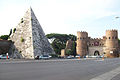
Pyramid of Caius Cestius, Rome
· 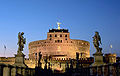
Mausoleum of Emperor Hadrian, Rome
· 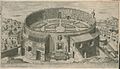
Mausoleum of Augustus, Rome (1600)
· 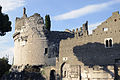
Mausoleum of Caecilia Metella on the Via Appia, Rome
· 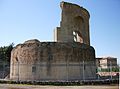
Helena Mausoleum, Rome
· 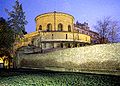
Constantina Mausoleum, Rome
· 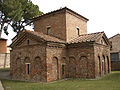
Mausoleum of Galla Placidia, Ravenna
· 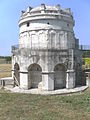
Mausoleum of Theoderic, Ravenna
Early Christian mausoleums
- Helena Mausoleum in Rome
- Santa Costanza in Rome (Mausoleum of Constantina)
- Mausoleum of Galla Placidia in Ravenna
- Mausoleum of Theoderic in Ravenna
Croatia
- The mausoleum of Ivan Meštrović (in which he and his family members were buried) in the village of Otavice near Drniš (Dalmatia).
- Mausoleum of Emperor Diocletian in Split. (Inside the palace walls of Diocletian's palace).
Netherlands
- Mausoleum of the German Emperor Wilhelm II in the park of Haus Doorn
Austria
- Mausoleum of Ruprecht von Eggenberg in Ehrenhausen, Styria
- Mausoleum of Emperor Ferdinand II in Graz
- Mausoleum of the Goldburg in Murstetten, Lower Austria
Poland
- Mausoleum of the family of Prince Anton Radziwill in the castle park of Antonin (Adelnau district) near Pozna?
- Mausoleum of the von Hoym family in Dyhernfurth in Silesia
- Mausoleum of Counts Yorck von Wartenburg in the castle park of Klein Oels in Lower Silesia
- Blücher Mausoleum in Krieblowitz in Silesia
- Burial chapel of the noble family Henckel von Donnersmarck near Neudeck Castle in Upper Silesia
- Pyramid in Rapa in Masuria
Russia
- Lenin Mausoleum in Moscow / Russia at Red Square
Serbia
- The House of Flowers, today part of the Museum of the History of Yugoslavia in Belgrade, tomb of Josip Broz (Tito)
Spain
- Mausoleum L. Aemilius Lupus in Fabara, province of Saragossa, Aragon
- Mausoleum of the Attilier in Sádaba, province of Zaragoza, Aragon
Czech Republic
- Klement-Gottwald mausoleum on Prague's Vitus Hill (mummy was removed in 1962 due to decay).
United Kingdom
- Mausoleum in the Scottish town of Penicuik


See also
- List of burial places of famous personalities
- Door be
- Necropolis
Related articles
Author
AlegsaOnline.com Mausoleum: Purpose, forms, and historical origins Leandro Alegsa
URL: https://en.alegsaonline.com/art/62988