
Ravenna: Italian city of Byzantine mosaics and late Roman history
Ravenna is an inland Emilia-Romagna city and comune in Italy, renowned for its early Christian and Byzantine mosaics, its role as a late Roman and Ostrogothic capital, and its rich cultural heritage.
Overview
Ravenna is a historic city and administrative comune in the northeastern Italian region of Emilia-Romagna, in Italy. Although not directly on the open coast, Ravenna is connected to the Adriatic Sea by canals and port facilities and has long combined maritime access with inland location. It is the capital of the surrounding province and an important centre for tourism, scholarship and municipal services.
Image gallery
10 Images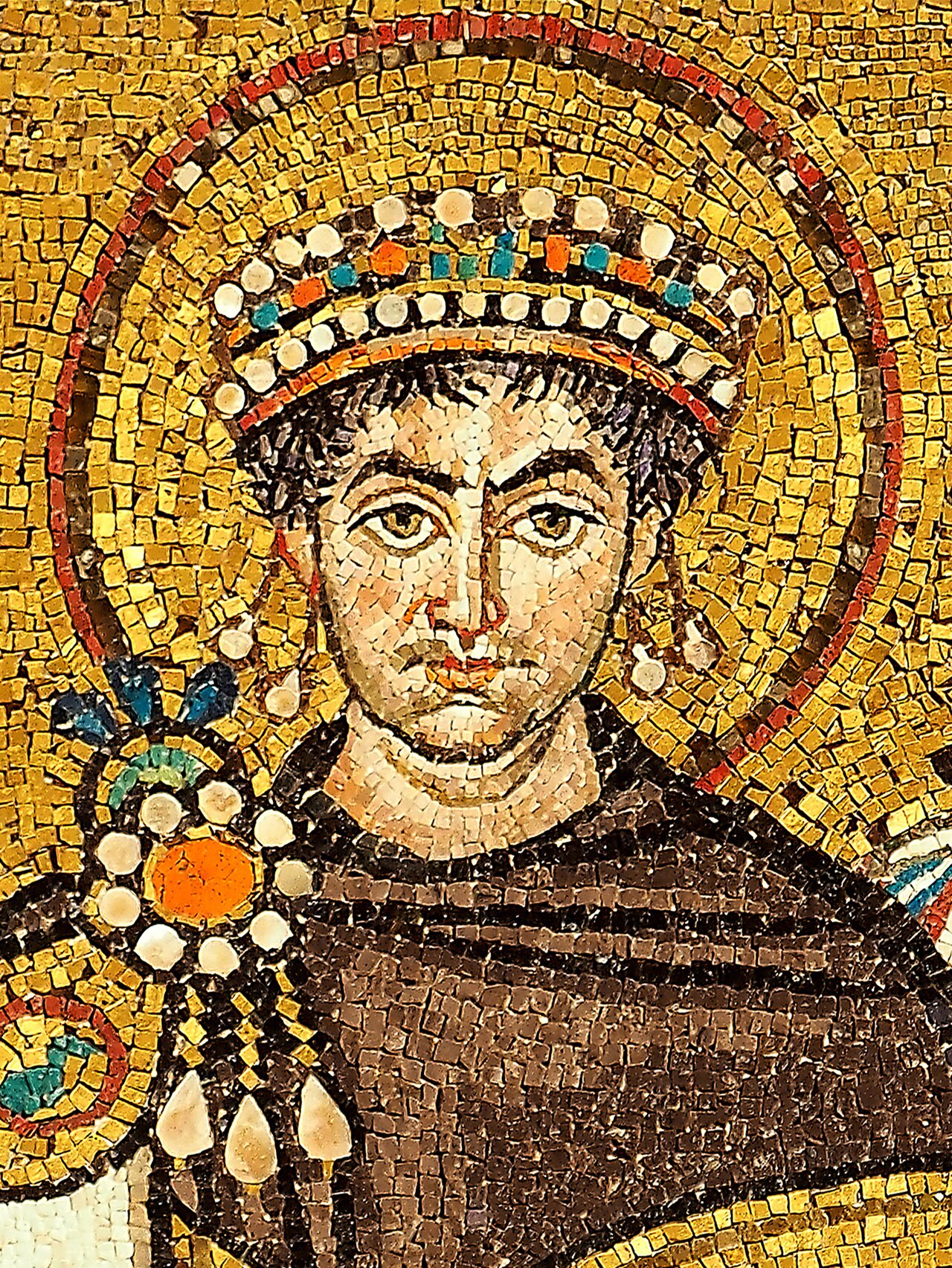



Geography and administration
Ravenna occupies a broad, low-lying municipal territory that includes an urban core, suburban villages and coastal hamlets. Extensive land reclamation and hydraulic works over centuries have transformed former lagoons and marshes into arable land and transport routes. By area the comune is unusually large compared with most Italian municipalities and is often noted in comparisons with larger comunes such as Rome.
History
Ravenna rose to prominence in late antiquity when imperial administration in the West was transferred there in the early 5th century, making it an important seat of the Western Roman Empire. After the collapse of Roman central authority the city served as a capital for the Ostrogothic kingdom and later as the seat of the Byzantine exarchate in Italy. Those centuries established Ravenna as a meeting place of Latin, Germanic and Byzantine cultures and shaped its political and religious institutions.
Art, architecture and monuments
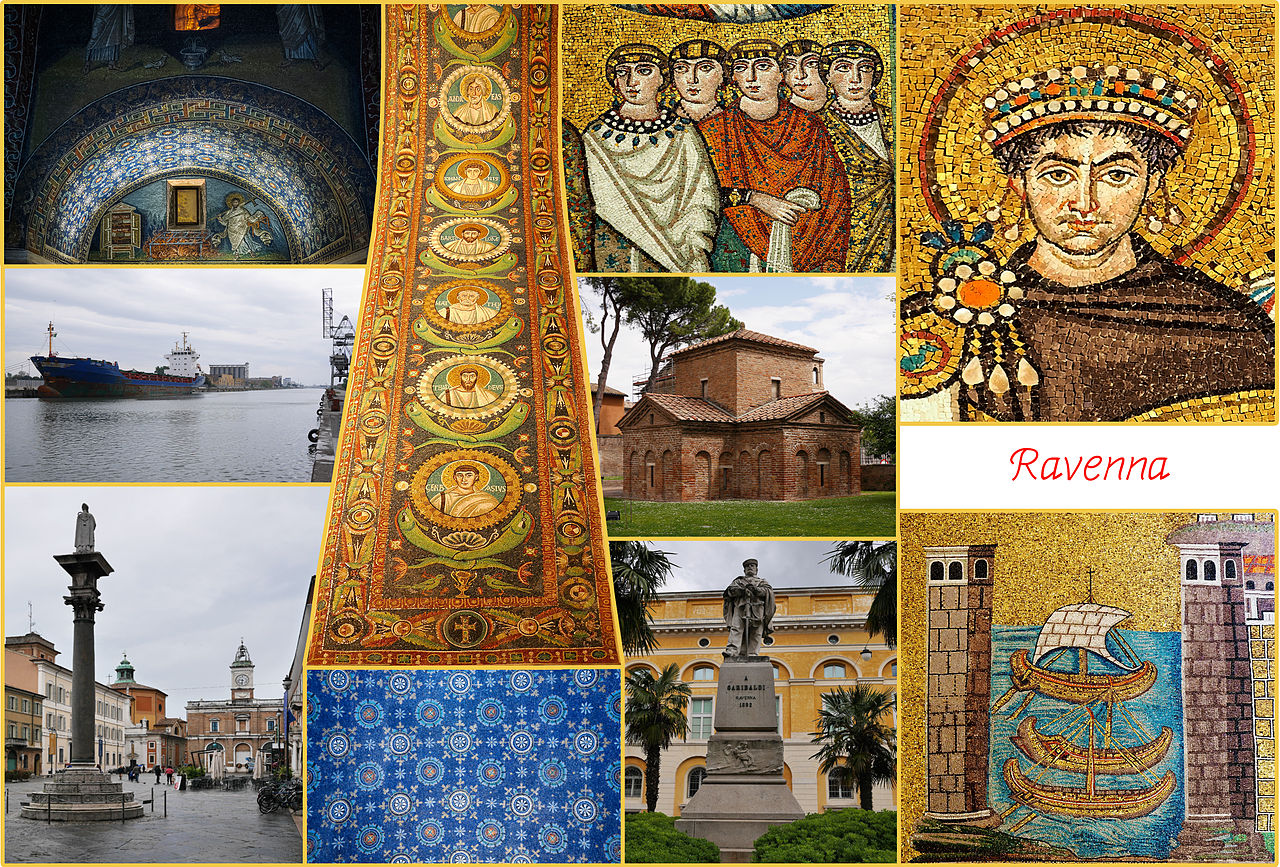
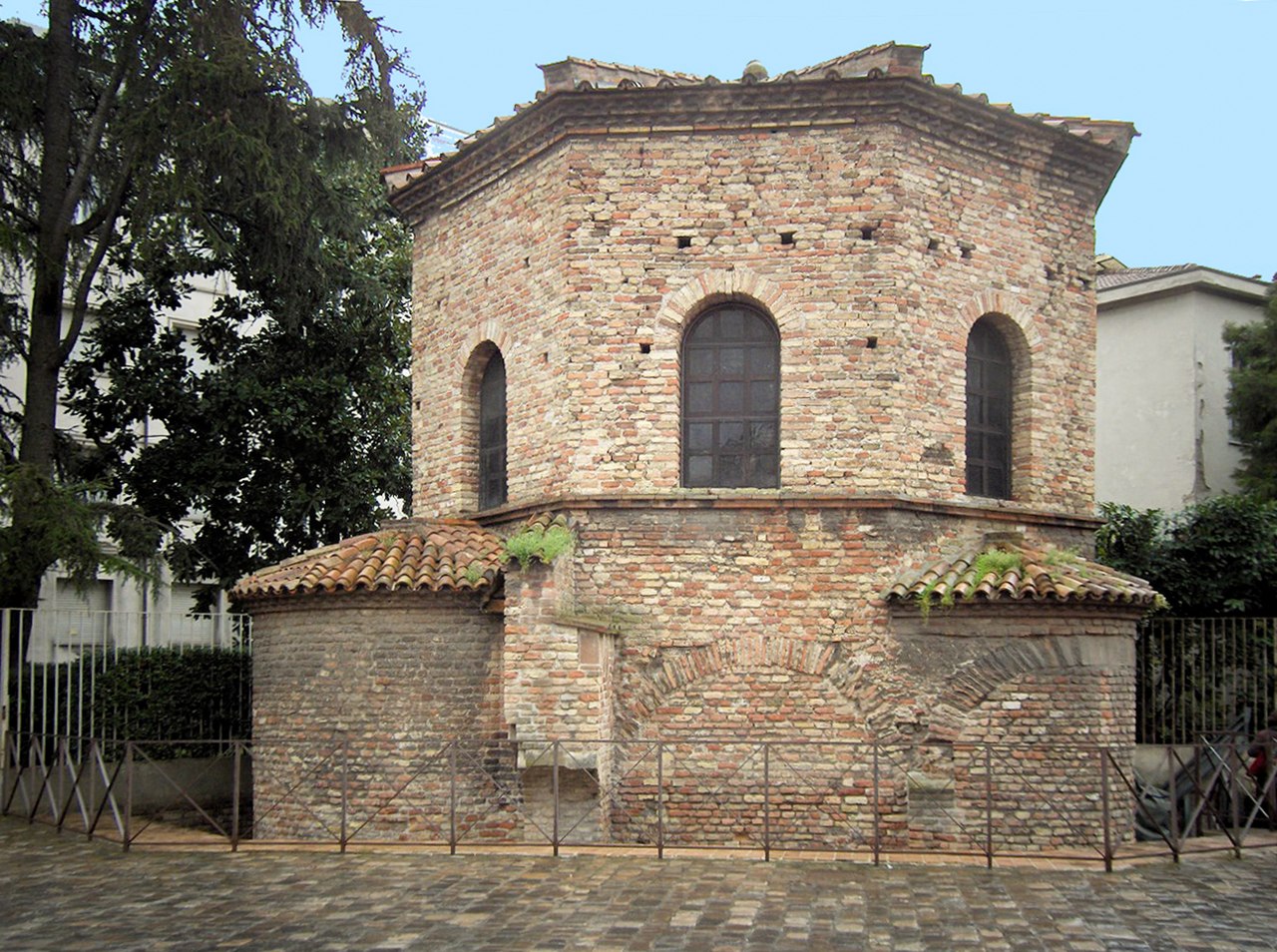
Ravenna is internationally celebrated for its exceptional early Christian and Byzantine mosaics preserved in churches and mausoleums. Major monuments include the basilicas of San Vitale and Sant'Apollinare Nuovo, the Mausoleum of Galla Placidia, the Neonian Baptistery and the Basilica of Sant'Apollinare in Classe. The mosaics display vivid tesserae, complex iconography and stylistic links with Constantinople while reflecting local artistic continuity.
UNESCO recognition and conservation
Several of Ravenna's monuments are inscribed on the UNESCO World Heritage List for their outstanding testimony to early Christian and Byzantine art in the west. Conservation, scholarly study and careful management of water and humidity are central to preserving mosaics, marblework and architectural fabric. Local museums and conservation laboratories support research and public education.
Economy, culture and modern life
The modern economy combines cultural tourism, port activities, light industry and services. Ravenna hosts festivals, concerts and exhibitions that draw national and international audiences, and the historic centre includes civic museums, archaeological collections and sites interpreted for visitors. Local gastronomy follows Emilia-Romagna traditions and the city remains a living cultural hub.
Transport and access
Ravenna is served by regional rail and road links that connect it with larger cities in the region and the national network; canals and port facilities connect to the Adriatic maritime system. Its accessibility contributes to tourism and to the movement of goods through Adriatic trade routes.
Legacy and further information
Ravenna's combination of political importance in late antiquity and the survival of some of the best-preserved Byzantine mosaics in western Europe make it a key site for the study of late Roman, Ostrogothic and Byzantine history. The city is also associated with figures such as Dante Alighieri, who spent his final years there. For official and practical information consult municipal and regional resources such as the civic city portal, the administrative comune site, regional guides for Emilia-Romagna and national cultural pages for Italy. Additional context on maritime connections and history may be found via materials on the Adriatic, the Western Roman Empire and the era of the Ostrogoths. Comparative municipal information sometimes references Rome when discussing the size and organization of Italian comunes.
Related articles
Author
AlegsaOnline.com Ravenna: Italian city of Byzantine mosaics and late Roman history Leandro Alegsa
URL: https://en.alegsaonline.com/art/81309
Sources
- istat.it : "Superficie di Comuni Province e Regioni italiane al 9 ottobre 2011"
- demo.istat.it : "Popolazione Residente al 1° Gennaio 2018"
- demo.istat.it : GeoDemo - Istat.it