
Cemetery: Purpose, Types, Design, and Cultural Practices
A cemetery is a designated place for burying the dead and commemorating lives. This article explains layout, types, history, rituals, modern trends and differences across cultures.
Overview
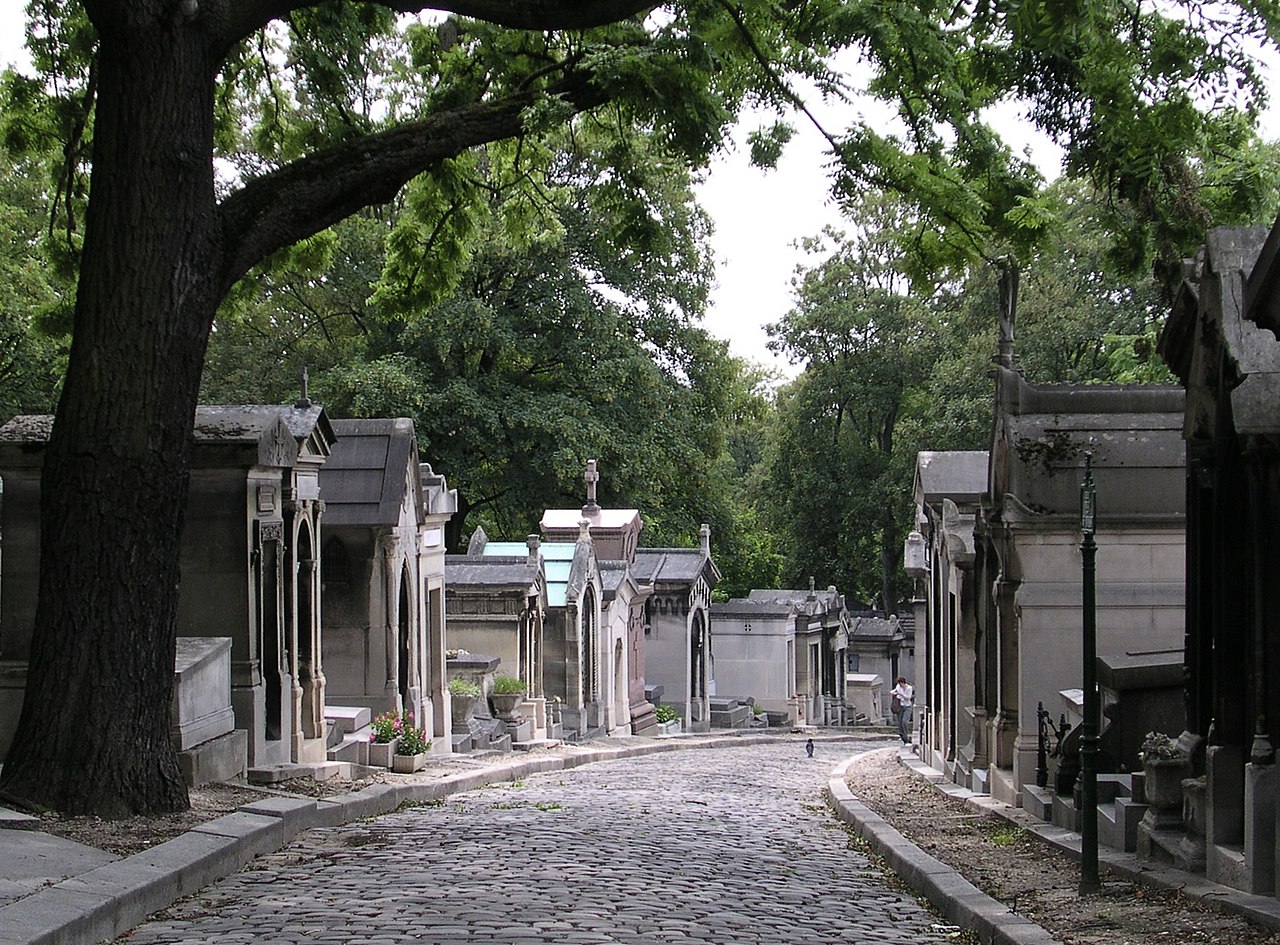
A cemetery is a designated area where human remains are interred and where the living perform acts of remembrance. Cemeteries provide space for graves, monuments, and communal memorials and are often landscaped with trees, paths and lawns to create a contemplative setting. While the word "graveyard" traditionally refers to burial grounds attached to a churchyard, "cemetery" usually denotes a planned, often secular place set aside for burials.
Image gallery
10 Images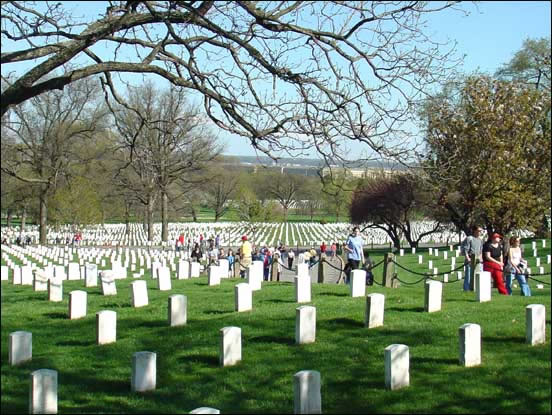


Characteristics and components
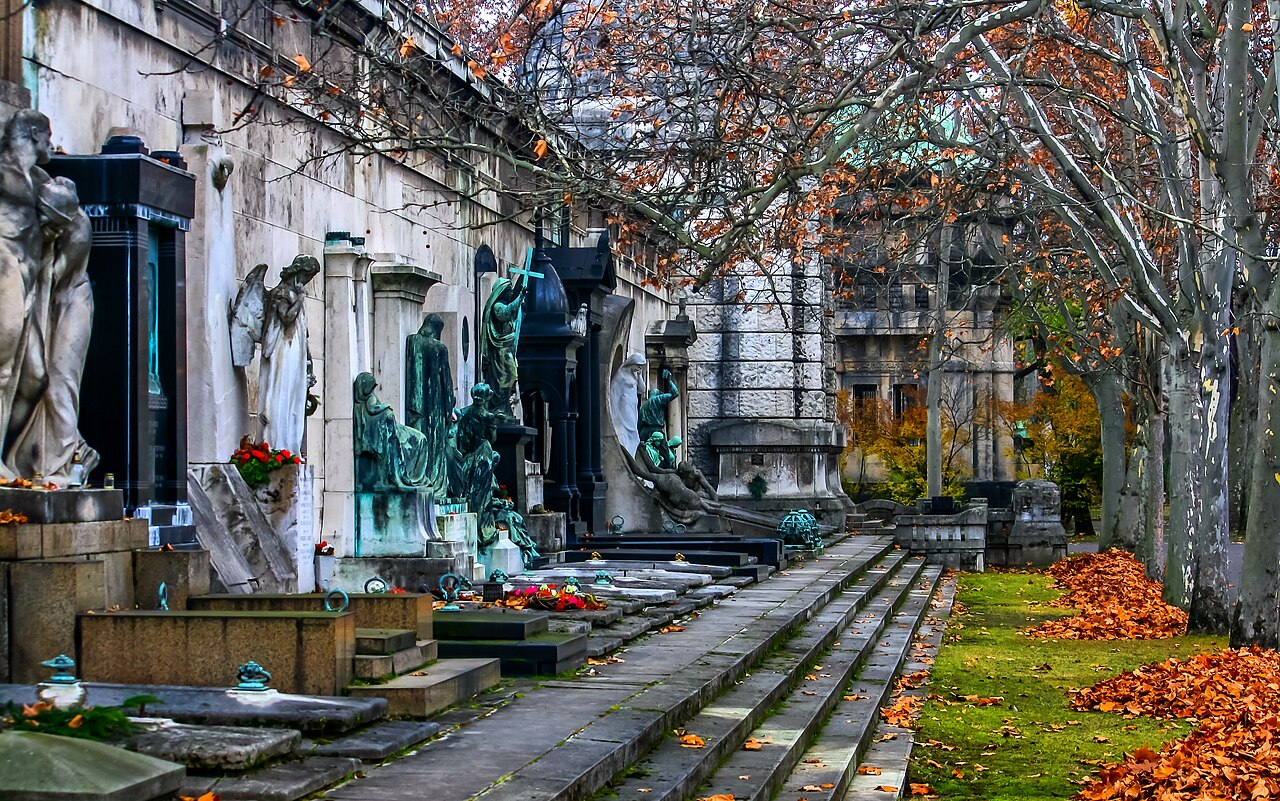
Typical elements found in cemeteries include marked graves, headstones or grave markers, family plots, mausoleums, columbaria for cremation urns, and chapels or memorial walls. Many cemeteries incorporate pedestrian paths, benches and horticultural elements that symbolize renewal and respect. Maintenance—such as lawn care, stone cleaning and record keeping—is an important ongoing activity for preservation and public access.
Types and layout
- Municipal or public cemeteries: run by local authorities and open to the general public.
- Private and family cemeteries: smaller plots often on private land or attached to private institutions.
- Religious cemeteries: affiliated with a faith community and may follow specific rites.
- Mausoleum and columbarium complexes: above-ground interment for caskets or urns.
- Green or natural burial grounds: emphasize biodegradable materials, no embalming and habitat conservation.
History and cultural variation
Burial sites date back to prehistoric times and have evolved with religious beliefs, public health concerns and urban planning. Different cultures express mourning and memory through varied monument styles, inscriptions and rituals. In some places, cemeteries serve as historic archives, preserving genealogical data and artistic stonework that reflect changing tastes and social values over centuries.
Rituals, uses and modern trends
Cemeteries function both as active places of burial and as public spaces for commemoration—annual observances, personal visits and cultural ceremonies commonly occur there. Contemporary trends include the rise of cremation and columbarium use, environmentally focused green burials, digital memorials and the adaptive reuse of historic burial grounds as cultural landscapes. Careful management balances commemoration, conservation and community access.
Notable considerations
Legal and ethical aspects govern cemetery operation: land use laws, perpetual care funds, and respect for cultural practices shape how sites are administered. Conservation of historic cemeteries requires attention to stone conservation, vegetation management and documentation. Whether viewed as sacred space, public park, or heritage site, cemeteries remain important places where communities remember the dead and express values about life, history and continuity.
Related articles
Author
AlegsaOnline.com Cemetery: Purpose, Types, Design, and Cultural Practices Leandro Alegsa
URL: https://en.alegsaonline.com/art/17940